Real-time AI-curated news from 92,909+ articles across 50+ sources. Sentiment analysis, importance scoring, and key takeaways — updated every 15 minutes.
GeneralNeutralCrypto Briefing · Jun 187/10
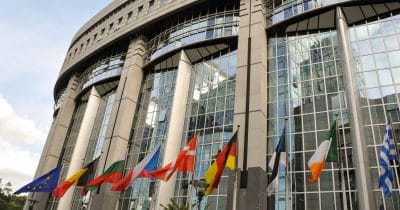
📰EU leaders are deliberating new trade measures to address the bloc's deficit with China, signaling a strategic pivot that could reshape global supply chains. This shift may accelerate investment in European manufacturing and reduce dependence on Chinese imports, affecting industries across multiple sectors.
GeneralNeutralCrypto Briefing · Jun 187/10
📰The US has lifted its blockade on Iran, allowing maritime traffic through the Strait of Hormuz to resume. While this development could stabilize global energy markets, investors remain cautious about lingering geopolitical risks that could impact cryptocurrency and equity valuations.
CryptoBullishBlockonomi · Jun 187/10
⛓️BlackRock has become the world's third-largest Bitcoin holder with approximately 764,000 BTC, surpassing both Binance (670,000 BTC) and Strategy (847,000 BTC) according to Arkham data. Only Satoshi Nakamoto and Coinbase hold more Bitcoin, marking a significant milestone in institutional adoption of cryptocurrency.
$BTC
AIBullishCrypto Briefing · Jun 187/10
🧠Anthropic's Project Fetch demonstrates that Claude AI can significantly accelerate robotics programming workflows, enabling teams to complete complex tasks like robodog coding substantially faster. This development suggests AI-assisted coding could lower entry barriers for robotics development and reshape technical education and innovation pipelines.
🏢 Anthropic🧠 Claude
CryptoBullishCrypto Briefing · Jun 187/10
⛓️The Public Utility Commission of Texas will vote on a large load policy on July 9 that could streamline grid connection processes for energy-intensive industries, including cryptocurrency mining and data centers. The decision has potential to reshape Texas's competitive advantage in attracting tech operations by simplifying interconnection procedures.
GeneralBearishCrypto Briefing · Jun 187/10
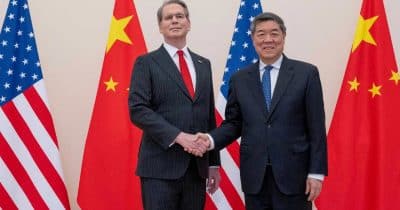
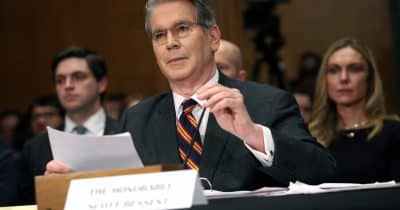
📰The US Treasury is evaluating mechanisms to screen and potentially restrict American investments in Chinese biotechnology companies, reflecting escalating geopolitical tensions over dual-use technologies. This regulatory shift could significantly disrupt cross-border pharmaceutical collaborations and reshape global biotech investment patterns.
CryptoBullishBitcoinist · Jun 187/10
⛓️BlackRock has filed for an iShares Bitcoin Premium Income ETF, a covered-call strategy product designed to generate yield for Bitcoin investors. This move reflects institutional appetite for income-generating crypto products and expands the ETF landscape beyond simple spot exposure.
$BTC
GeneralBearishCrypto Briefing · Jun 18🔥 8/10
📰The US has announced new sanctions targeting individuals and entities linked to Hezbollah, a move designed to disrupt illicit financial networks and reduce the organization's political influence in Lebanon. The sanctions carry significant geopolitical implications that could strain US-Lebanon diplomatic relations while signaling an intensified enforcement posture against terrorist-financing channels.
GeneralNeutralCrypto Briefing · Jun 187/10
📰JD Vance indicates the U.S. expects Iran to constrain its missile development capabilities under a proposed bilateral framework. The agreement framework could significantly alter Middle Eastern geopolitical dynamics and potentially stabilize regional tensions that have historically impacted global markets.
CryptoNeutralBlockonomi · Jun 187/10
⛓️The Federal Reserve has proposed new customer identification requirements for stablecoin issuers, mandating collection of names, addresses, birth dates, and government-issued ID numbers. The proposal brings stablecoin compliance standards in line with existing banking regulations and opens a 60-day public comment period.
DeFiBullishBlockonomi · Jun 187/10
💎Flare CEO Hugo Philion announced FXRP, a wrapped XRP token that extends XRP utility beyond the XRP Ledger by enabling DeFi access, lending/borrowing services, and collateral usage while maintaining original token exposure. This initiative leverages Flare's smart contract and cross-chain interoperability infrastructure to unlock new financial primitives for XRP holders.
$XRP
CryptoBearishBitcoin Magazine · Jun 187/10
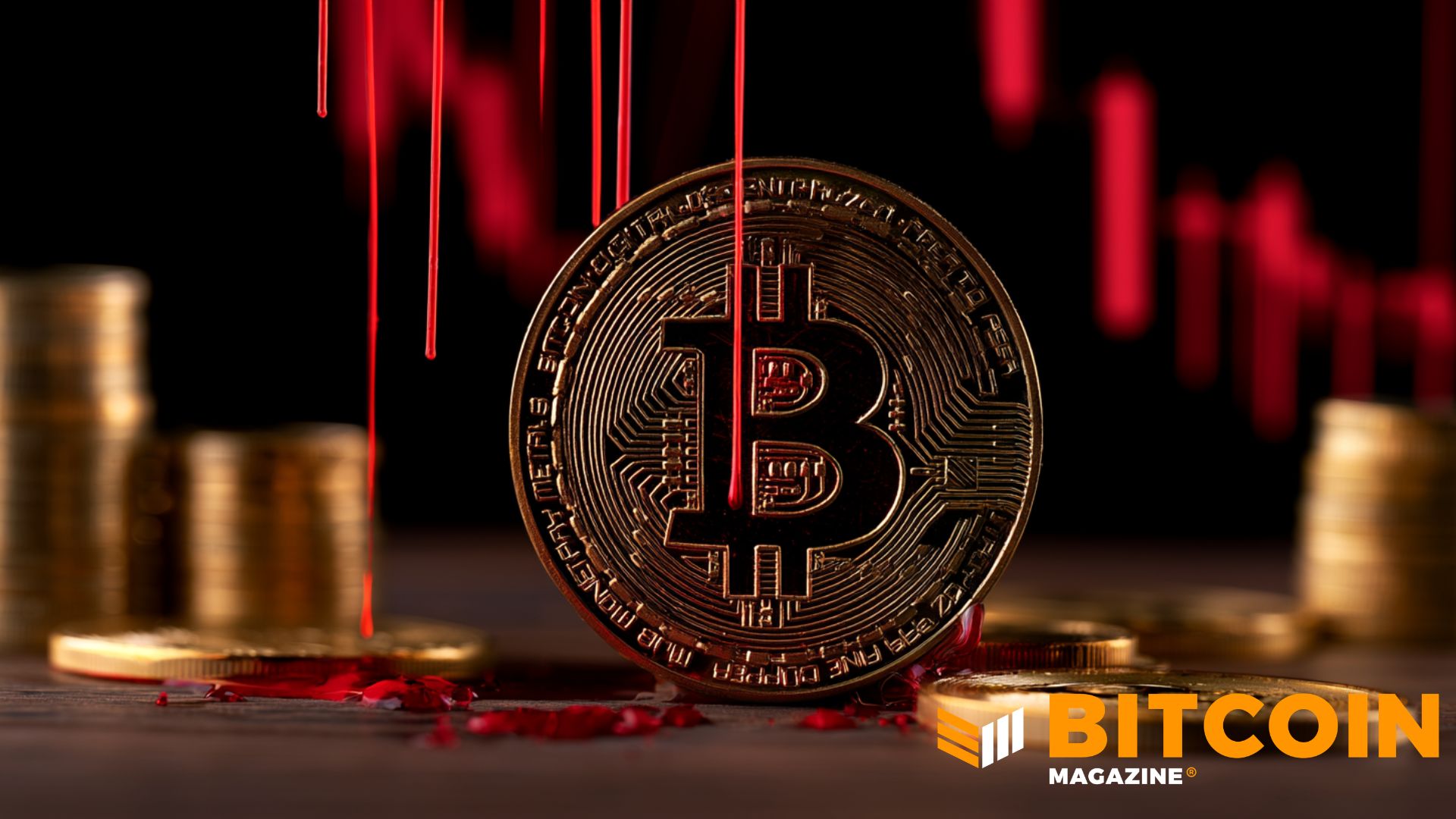
⛓️Bitcoin has declined to approximately $62,000 following a shift toward hawkish monetary policy signals from the Federal Reserve, which has reduced investor appetite for risk assets. The pullback raises concerns among market participants about potential for further downside momentum in cryptocurrency prices.
$BTC
AI × CryptoBullishBlockonomi · Jun 187/10
🤖Alchemy has launched AgentCard, a virtual Visa card product enabling AI agents to conduct transactions using cryptocurrency with integrated spending controls and unified identity management through a single API. This development bridges the gap between autonomous AI systems and traditional payment infrastructure, expanding use cases for both crypto and AI agent deployment.
GeneralNeutralCrypto Briefing · Jun 187/10
📰Iranian official Mojtaba Khamenei is set to address the Iranian public regarding a potential US memorandum of understanding aimed at ending regional conflict. The address carries significant implications for Middle Eastern geopolitics, international relations, and global market stability.
AIBearishCrypto Briefing · Jun 187/10
🧠ASML's CEO highlights Europe's significant disadvantage in acquiring advanced AI chips, with the US purchasing approximately 80% of the global supply. This technological gap threatens European autonomy and innovation capacity, signaling the need for strategic regulatory reforms and chip supply chain diversification.
GeneralBearishCrypto Briefing · Jun 187/10
📰The Bank of Japan raised its policy rate to 1%, yet the yen simultaneously hit a 23-month low, signaling that monetary tightening alone cannot overcome Japan's structural economic weaknesses. This paradox reflects mounting debt pressures and suggests limited effectiveness of traditional monetary policy tools, with potential ripple effects across global markets and cryptocurrency volatility.
GeneralNeutralCrypto Briefing · Jun 187/10
📰JD Vance has outlined conditions for foreign investment in Iran as part of a proposed framework aimed at reshaping Middle Eastern economic dynamics. The investment structure would be contingent on Iran meeting stringent compliance requirements, potentially opening new economic engagement pathways while maintaining strict oversight.
AI × CryptoBullishBlockonomi · Jun 187/10
🤖Alchemy has integrated its AgentCard service with Visa Intelligent Commerce, enabling AI agents to execute online transactions using Visa-backed payment credentials. The integration supports various use cases including travel bookings, grocery orders, and subscription renewals while preserving existing rewards and credit benefits.
🏢 OpenAI🏢 Anthropic
GeneralNeutralCrypto Briefing · Jun 187/10
📰Iran and the US are reportedly moving toward ending hostilities through a new Memorandum of Understanding, marking a significant diplomatic shift. This de-escalation could reduce regional instability and potentially impact global markets, including cryptocurrency valuations tied to geopolitical risk premiums.
GeneralNeutralCrypto Briefing · Jun 187/10
📰U.S. officials, including JD Vance, suggest the U.S. may lift its blockade of Iranian ports following a Memorandum of Understanding. Such a move could stabilize regional economies, reduce geopolitical tensions, and significantly impact global oil prices, with potential ripple effects across energy markets and cryptocurrency valuations.
CryptoBullishCrypto Briefing · Jun 187/10
⛓️Major sports events like the FIFA World Cup are integrating cryptocurrency and blockchain-based fan tokens, with Argentina and Lionel Messi matches in Texas serving as a focal point for this convergence. This mainstream integration could accelerate digital asset adoption among sports fans, though market volatility remains a concern for broader institutional acceptance.
GeneralNeutralCrypto Briefing · Jun 187/10
📰The White House has submitted an interim US-Iran agreement to Congress aimed at reducing geopolitical tensions and stabilizing global oil markets. The agreement's effectiveness depends on rapid diplomatic implementation and sustained negotiations between both parties.
GeneralBearishCrypto Briefing · Jun 187/10
📰The United States is reducing military troop levels and NATO assets in Europe, forcing allied nations to increase their own defense spending. This geopolitical shift has implications for global security dynamics and defense industry markets, with potential indirect effects on macroeconomic conditions that influence cryptocurrency and technology sectors.
GeneralNeutralCrypto Briefing · Jun 187/10
📰The US has negotiated an interim deal with Iran that opens a 60-day window for further nuclear negotiations, creating a complex sanctions landscape with far-reaching implications for global oil markets and cryptocurrency compliance frameworks worldwide.
CryptoBearishCrypto Briefing · Jun 187/10
⛓️Binance commands 56% of centralized exchange RWA (real-world assets) perpetual contract volume as the segment reaches a $211 billion record. This concentration highlights shifting trader interest toward tokenized real-world assets while raising concerns about systemic risks from market dominance.