Real-time AI-curated news from 93,228+ articles across 50+ sources. Sentiment analysis, importance scoring, and key takeaways — updated every 15 minutes.
GeneralBullishCrypto Briefing · Jun 117/10
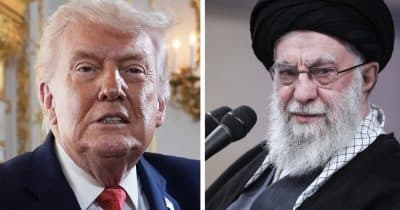
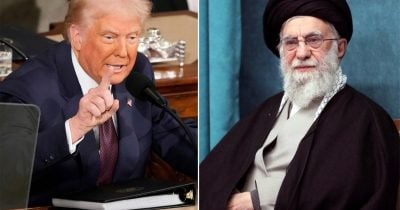
📰Donald Trump claims that Mojtaba Khamenei has agreed to a nuclear deal with the United States. According to the report, a verified nuclear agreement could stabilize global oil prices, reduce geopolitical tensions, and create a more favorable environment for cryptocurrency and digital asset markets.
$BTC
CryptoBearishU.Today · Jun 117/10
⛓️Jay Clayton, former SEC chairman who led the regulatory assault on Ripple Labs, has been nominated as Director of National Intelligence. This appointment signals potential shifts in how crypto regulation intersects with national security policy and raises questions about regulatory continuity in the crypto sector.
$XRP
AIBearishCrypto Briefing · Jun 117/10
🧠Canada's privacy watchdog has ruled that Grok's AI image generation tool violates Canadian privacy law, highlighting regulatory scrutiny of AI systems. The decision underscores the growing need for comprehensive AI-specific privacy legislation to prevent misuse and protect vulnerable populations.
🧠 Grok
CryptoBearishThe Block · Jun 117/10
⛓️A new report reveals that approximately $34 billion in U.S. prediction market volume occurs on offshore platforms, representing nearly one-third of total American activity. This finding highlights the regulatory arbitrage between domestic restrictions and unregulated international markets, raising questions about oversight and market integrity.
GeneralNeutralCrypto Briefing · Jun 117/10
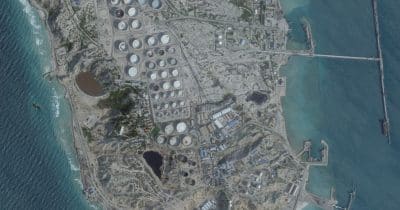
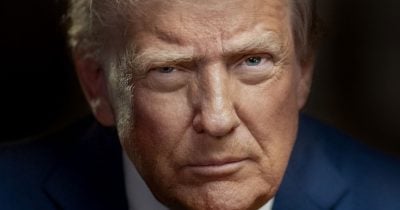
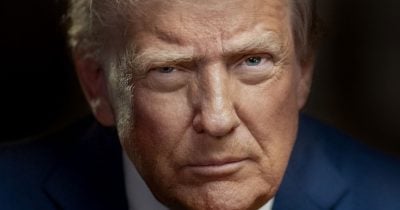
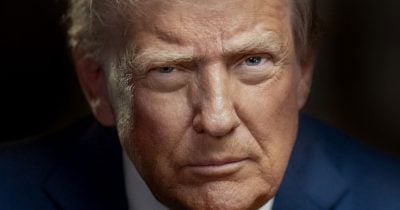
📰Trump signals willingness to negotiate with Iran, indicating military operations against Kharg Island would be suspended if an agreement is reached. This shift from military posturing to diplomatic dialogue has immediate implications for global oil markets and cryptocurrency investor sentiment, particularly affecting risk assets and energy-correlated holdings.
GeneralBullishCoinDesk · Jun 117/10
📰SpaceX priced its initial public offering at $135 per share, raising $75 billion in what the company claims is the largest IPO ever. The offering values SpaceX at approximately $1.8 trillion on a fully diluted basis, with trading set to commence Friday on Nasdaq.
CryptoBearishChainalysis Blog · Jun 117/10
⛓️International law enforcement agencies including the U.S. DOJ, Secret Service, and Europol dismantled the 'AudiA6' cryptocurrency laundering network that served ransomware gangs and other criminal organizations. The operation demonstrates escalating coordination between global authorities in combating crypto-enabled financial crime.
GeneralBearishCrypto Briefing · Jun 117/10
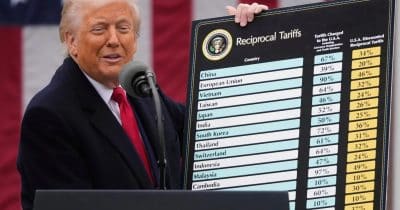
📰The Trump administration secured a court ruling enabling enforcement of 10% global tariffs, creating significant economic uncertainty that reverberates through international trade systems. This development introduces new variables affecting market volatility, investor sentiment, and potentially cryptocurrency markets sensitive to macroeconomic shifts.
GeneralBullishCrypto Briefing · Jun 117/10
📰Iran's Supreme Leader has approved a nuclear deal while the US confirms lifting its blockade, potentially easing geopolitical tensions. This development could stabilize global oil markets and create conditions for future diplomatic negotiations, with indirect implications for risk asset markets including cryptocurrency.
GeneralBearishTechCrunch – AI · Jun 117/10
📰SpaceX SPV investors face significant risks ahead of the company's anticipated IPO, including obscured fee structures, delayed payouts, and potential fraud exposure that will remain hidden until post-IPO lock-up periods expire. Lower-tier investors lack transparency into their true holdings and financial obligations during the critical early public trading phase.
DeFiBullishCrypto Briefing · Jun 117/10
💎Fidelity has selected Uniswap as the liquidity layer for its FIDD stablecoin pools, marking a significant institutional embrace of decentralized exchange infrastructure. This partnership is expected to enhance institutional confidence in DeFi protocols and accelerate stablecoin adoption by bridging traditional finance with decentralized markets.
$UNI
CryptoBullishCrypto Briefing · Jun 117/10
⛓️Former President Trump announced a resolution to the Iran conflict, triggering optimism in cryptocurrency markets, particularly Bitcoin. The potential de-escalation could stabilize global oil prices, reduce inflation pressures, and create ripple effects across crypto markets, especially those with Iran-related exposure.
$BTC
GeneralNeutralCrypto Briefing · Jun 117/10
📰President Trump declared the Iran conflict settled, yet ongoing military operations in the Gulf region suggest underlying tensions remain unresolved. Market participants face uncertainty regarding geopolitical stability and its potential impact on energy prices and risk assets.
CryptoBullishCrypto Briefing · Jun 117/10
⛓️Former President Trump indicated a potential Iran nuclear deal could be finalized this weekend in Europe. The prospect of resolving geopolitical tensions has sparked optimism in risk assets, including Bitcoin, as investors anticipate reduced global uncertainty and improved market conditions.
$BTC
GeneralBullishCrypto Briefing · Jun 117/10
📰President Trump's decision to cancel planned military strikes on Iran has triggered a wave of market optimism, with both cryptocurrency and equities responding positively to the reduced geopolitical risk. The cancellation demonstrates how closely markets monitor geopolitical tensions and their immediate impact on asset volatility.
AIBearishWired – AI · Jun 117/10
🧠A WIRED investigation discovered dozens of nonconsensual sexualized deepfakes hosted on Grok's platform, including depictions of celebrities and a US politician. The findings highlight persistent content moderation failures at the AI chatbot service despite growing awareness of deepfake harms.
🧠 Grok
GeneralNeutralCrypto Briefing · Jun 117/10
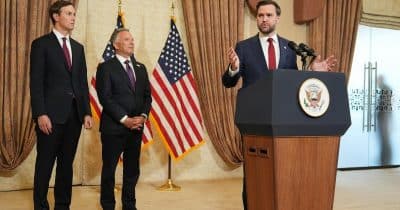
📰Trump signals an imminent Iran nuclear deal signing with VP Vance's participation, which could have significant implications for global oil markets and cryptocurrency dynamics. Geopolitical developments affecting energy markets typically influence broader economic sentiment and crypto asset valuations.
GeneralNeutralCrypto Briefing · Jun 117/10
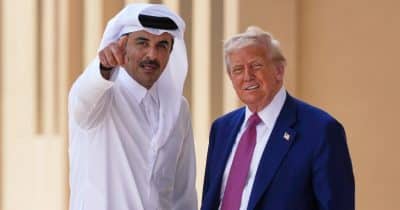
📰Donald Trump has updated Qatar's Emir on progress in US-Iran negotiations, leveraging Qatar's established role as a diplomatic intermediary. This development could reshape regional geopolitical alliances and potentially influence global energy markets and cryptocurrency valuations tied to geopolitical risk premiums.
AI × CryptoBullishcrypto.news · Jun 117/10
🤖Coinbase has launched a new platform called Coinbase for Agents that enables AI agents to autonomously trade, manage portfolios, process payments, and execute financial workflows within user accounts. This development represents a significant convergence of AI and cryptocurrency, potentially reshaping how financial transactions are automated and executed on blockchain networks.
GeneralNeutralCrypto Briefing · Jun 117/10
📰Trump has indicated that a US-Iran nuclear deal is approaching completion, which could significantly reduce geopolitical tensions in the Middle East. Such an agreement would have ripple effects across global markets, potentially stabilizing oil prices and reducing regional conflict risks that typically create cryptocurrency volatility.
CryptoBearishcrypto.news · Jun 11🔥 8/10
⛓️The U.S. Treasury Department sanctioned nine individuals and entities based in China and Hong Kong for allegedly facilitating Iranian weapons procurement through financial transactions and sourcing operations. The action extends the U.S. government's enforcement strategy against Iran's use of cryptocurrency and alternative financial networks to circumvent international sanctions.
AI × CryptoBullishDecrypt · Jun 117/10
🤖Coinbase has launched a new product enabling AI agents to autonomously execute cryptocurrency trades, process payments, and manage portfolios within user-defined parameters. This development represents a significant convergence of artificial intelligence and decentralized finance, streamlining crypto operations while maintaining user control through preset limits.
CryptoBearishCrypto Briefing · Jun 11🔥 8/10
⛓️The US seized $1 billion in cryptocurrency assets from Iran, marking a significant escalation in using digital currencies as tools in geopolitical negotiations. This seizure demonstrates how crypto has become a critical dimension in international diplomacy and sanctions enforcement, alongside traditional diplomatic channels.
GeneralBullishCrypto Briefing · Jun 117/10
📰SpaceX has filed for an IPO seeking to raise $75 billion by offering 555.6 million shares at $135 per share. The offering represents a major capital raise for the aerospace company's ambitious space exploration projects and could significantly influence investor sentiment and funding dynamics in the space technology sector.
CryptoBullishCrypto Briefing · Jun 117/10
⛓️Kraken has secured a sponsorship deal for the 2026 FIFA World Cup in Mexico, marking a significant mainstream milestone for cryptocurrency exchanges. The partnership signals growing institutional acceptance of crypto while potentially accelerating both global adoption and regulatory scrutiny of the industry.