Real-time AI-curated news from 93,256+ articles across 50+ sources. Sentiment analysis, importance scoring, and key takeaways — updated every 15 minutes.
CryptoBullishCrypto Briefing · Jun 117/10
⛓️FIFA is integrating cryptocurrency into the 2026 World Cup, positioning digital assets as central to the tournament's operations and fan engagement. This partnership signals institutional acceptance of crypto and could accelerate mainstream adoption while reshaping how major sporting events interact with global financial systems.
GeneralBullishCrypto Briefing · Jun 117/10
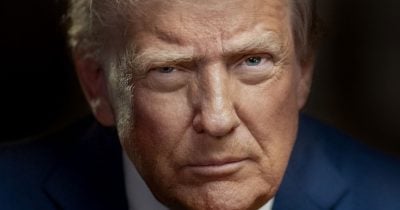
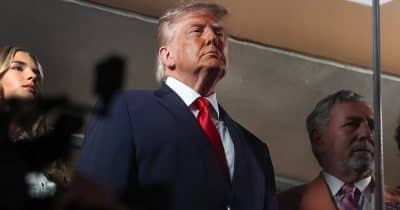
📰Stock markets rallied to session highs after President Trump announced a halt to planned military strikes against Iran, reducing immediate geopolitical risk. The market reaction demonstrates how geopolitical de-escalation can trigger risk-on sentiment across traditional and digital asset classes.
CryptoBullishDecrypt – AI · Jun 117/10
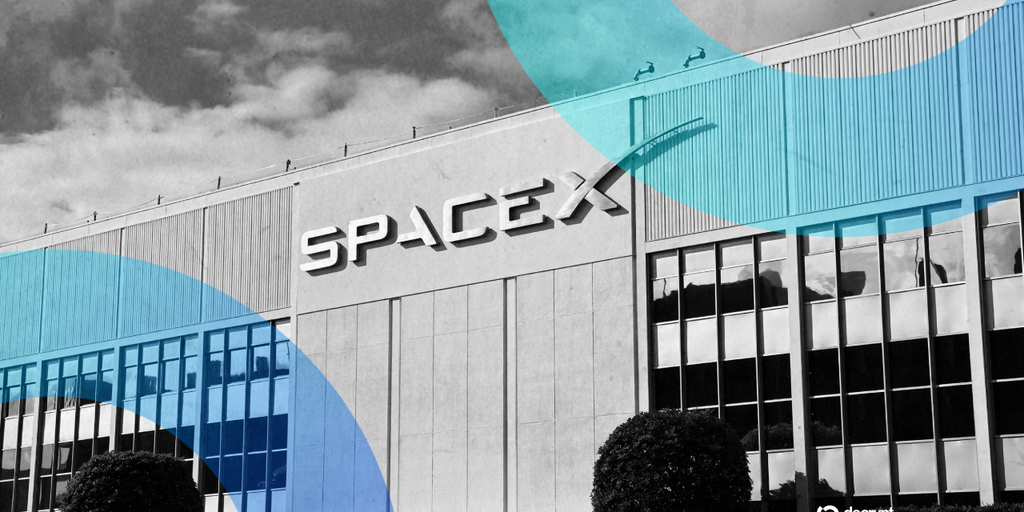
⛓️Cryptocurrency platforms are enabling retail investors to access SpaceX equity ahead of its anticipated $1.75 trillion IPO by leveraging blockchain infrastructure to circumvent traditional Wall Street intermediaries. This development democratizes access to private company shares typically reserved for institutional investors and high-net-worth individuals.
CryptoBullishThe Block · Jun 117/10
⛓️LG Electronics announced plans to build a blockchain platform based on Arbitrum, designed for digital advertising management. The news triggered a 5% price increase in ARB token, reflecting market optimism about enterprise adoption of the Arbitrum network.
$ARB
GeneralNeutralCrypto Briefing · Jun 117/10
📰SpaceX has achieved a major regulatory milestone as the SEC declared its IPO registration statement effective, clearing the final bureaucratic hurdle for the company's public market debut. The offering could significantly reshape market dynamics by providing liquidity to existing investors while simultaneously raising corporate governance questions given SpaceX's extraordinarily high valuation.
GeneralBullishCrypto Briefing · Jun 11🔥 8/10
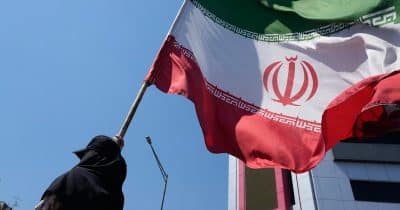
📰Iran has approved a final draft of a memorandum of understanding with the US, brokered by Qatar, in a multi-billion dollar agreement that could significantly ease geopolitical tensions. The deal's resolution may substantially impact global oil markets and reshape international financial dynamics amid existing sanctions regimes.
DeFiBullishCrypto Briefing · Jun 117/10
💎Ethena has launched a High Yield Vault on Coinbase that utilizes USDe, its synthetic dollar stablecoin, to offer enhanced yields on crypto savings. The integration with Coinbase represents a significant mainstream adoption milestone for Ethena's protocol, though it introduces concentrated counterparty risk and yield sustainability concerns for participants.
AIBullishCrypto Briefing · Jun 117/10
🧠Nvidia unveiled the RTX Spark superchip at GTC Taipei, a hardware advancement designed to enable personal AI computing on individual devices. The chip aims to reduce dependence on cloud-based AI services and potentially reshape the competitive landscape of the PC market.
🏢 Nvidia
CryptoBullishcrypto.news · Jun 117/10
⛓️Bitcoin rebounded above $63,000 following news of a potential U.S.-Iran peace deal, reversing losses from a stronger-than-expected inflation report. The price recovery demonstrates how geopolitical developments can influence crypto markets, raising questions about whether BTC can sustain momentum toward $65,000.
$BTC
CryptoNeutralCrypto Briefing · Jun 117/10
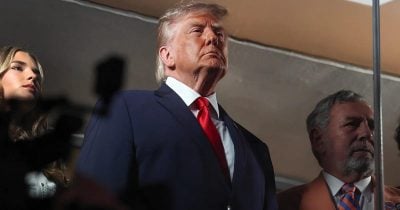
⛓️Senator Lummis has called for a criminal investigation into banks that debanked former President Trump, signaling potential legislative action that could reshape banking practices. This development has broader implications for cryptocurrency firms and other politically exposed individuals facing financial deplatforming.
CryptoBullishCrypto Briefing · Jun 117/10
⛓️Trump announced an unexpected diplomatic shift regarding Iran, triggering market volatility and a 5% Bitcoin surge. The announcement reportedly concerned Israeli Prime Minister Netanyahu, highlighting how geopolitical developments and political uncertainty drive cryptocurrency price movements and investor sentiment shifts.
$BTC
AIBearishDecrypt · Jun 117/10
🧠Anthropic has reversed its approach to Claude's content moderation after backlash over undisclosed performance degradation. The company will now implement visible safeguards instead of invisible filtering, though this transparency comes with a trade-off: increased false positives that may affect user experience.
🏢 Anthropic🧠 Claude
GeneralBearishCrypto Briefing · Jun 11🔥 8/10
📰Escalating U.S.-Iran military tensions are straining diplomatic prospects and creating geopolitical uncertainty that dampens global market confidence. The situation presents a risk factor for cryptocurrency and traditional markets sensitive to geopolitical instability.
AI × CryptoNeutralCrypto Briefing · Jun 117/10
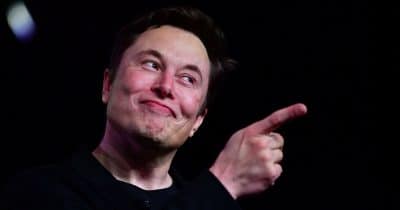
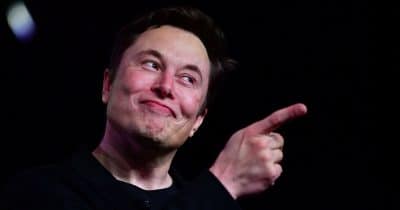
🤖SpaceX is preparing for what could be the largest IPO in history, which would elevate Elon Musk toward trillionaire status. The offering is expected to influence investment dynamics and underscore Bitcoin's expanding presence in corporate treasury management.
$BTC
GeneralNeutralCrypto Briefing · Jun 117/10
📰Iran and the US have reportedly resolved key negotiation gaps during talks in Tehran, with final approval still pending. The breakthrough could stabilize global oil markets and reshape sanctions enforcement mechanisms, creating significant ripple effects across energy prices and international capital flows.
CryptoBearishU.Today · Jun 117/10
⛓️Nakamoto has sold Bitcoin holdings despite corporate messaging about capital strengthening. The sale reveals underlying financial pressures beneath official rhetoric, signaling potential weakness in the entity's financial position.
$BTC
AIBullishFortune Crypto · Jun 117/10
🧠Abridge, a $5.3 billion ambient AI startup backed by NVIDIA and Eli Lilly, is expanding beyond clinical note-taking into billing, drug trials, and real-time insurance claims processing. The expansion positions Abridge as a comprehensive operating system for healthcare operations, leveraging AI to automate administrative and clinical workflows across the medical industry.
🏢 Nvidia
GeneralBearishCrypto Briefing · Jun 11🔥 8/10
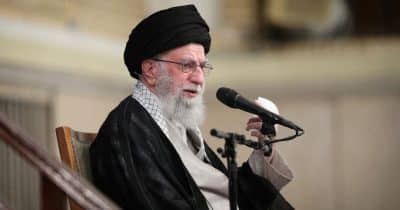
📰Tehran's mayor announced a funeral procession for Ali Khamenei scheduled for late June, underscoring Iran's institutional continuity during a period of regional tension. The announcement reflects Iran's efforts to project stability amid ongoing conflicts, with potential implications for Middle Eastern geopolitical dynamics and international relations.
GeneralBearishCrypto Briefing · Jun 117/10
📰Bond investors are closely monitoring the Federal Reserve's upcoming meeting to assess Kevin Warsh's policy direction as a potential Fed leader. His appointment could introduce market volatility due to reduced forward guidance and shifting monetary policy approaches, directly affecting bond pricing and investor portfolio strategies.
DeFiBullishCrypto Briefing · Jun 117/10
💎Kalshi, a regulated derivatives platform, has launched perpetual futures for $HYPE, a Hyperliquid-native token, marking the first regulated listing of a Hyperliquid-native perpetual contract. This development bridges the gap between decentralized finance infrastructure and institutional-grade regulatory compliance, potentially attracting traditional institutional capital to DeFi-native derivatives.
$HYPE
GeneralBearishCrypto Briefing · Jun 11🔥 8/10
📰Escalating military tensions between the US and Iran, marked by reported explosions in Karaj and ongoing airstrikes, threaten to destabilize global markets. Cryptocurrency markets face increased volatility as geopolitical risk premiums ripple through traditional finance, oil markets, and digital asset valuations.
GeneralBearishCrypto Briefing · Jun 11🔥 8/10
📰The Israeli Defense Force's military operations in Lebanon targeting Hezbollah infrastructure represent a significant escalation in regional conflict that could destabilize Middle Eastern markets and affect cryptocurrency volatility amid broader geopolitical tensions.
GeneralNeutralCrypto Briefing · Jun 117/10
📰President Trump has canceled planned military strikes against Iran following progress in peace negotiations, marking a shift toward diplomatic engagement. This geopolitical development reduces near-term conflict risk and has stabilizing implications for global markets, including cryptocurrency markets sensitive to geopolitical uncertainty.
AI × CryptoNeutralBlockonomi · Jun 117/10
🤖SpaceX plans a record $1.75 trillion IPO while OpenAI files for public listing, signaling major shifts in the space and AI sectors. Concurrently, Oracle's stock declines amid concerns over AI spending efficiency, and inflation rises above 4%, creating mixed signals for growth-oriented tech investments.
🏢 OpenAI
AIBearishCrypto Briefing · Jun 117/10
🧠A former xAI engineer has filed a wrongful termination lawsuit after being dismissed for raising safety concerns about Grok, the company's AI model. The litigation could intensify regulatory scrutiny on AI safety practices and potentially impact Elon Musk's broader business interests, including SpaceX's valuation and public perception.
🏢 xAI🧠 Grok