Real-time AI-curated news from 94,048+ articles across 50+ sources. Sentiment analysis, importance scoring, and key takeaways — updated every 15 minutes.
GeneralBearishCrypto Briefing · Jun 10🔥 8/10
📰Israel has launched airstrikes against Iran, escalating regional tensions and reducing prospects for peaceful resolution. The conflict heightens geopolitical instability, which typically triggers market volatility and affects risk asset valuations including cryptocurrencies.
AIBearishCrypto Briefing · Jun 107/10
🧠AI firms are increasingly shaping state-level regulations as federal AI legislation remains stalled, creating a fragmented regulatory landscape across the United States. This patchwork approach raises compliance costs for companies and complicates efforts to establish uniform national standards for AI governance.
GeneralBearishCrypto Briefing · Jun 10🔥 8/10
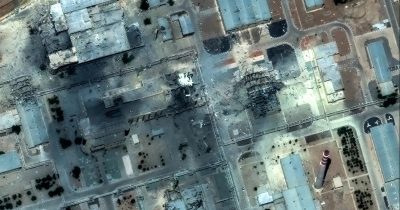
📰Explosions near Bandar Abbas airport and airbase in Iran signal escalating US-Iran tensions that pose significant risks to global oil supply stability. Disruptions to energy markets could trigger ripple effects across inflation, traditional financial markets, and cryptocurrency valuations.
CryptoBearishcrypto.news · Jun 107/10
⛓️Stand With Crypto UK launched a campaign against major banks imposing restrictions on cryptocurrency transfers, citing a report showing 40% of UK crypto transactions are being blocked or limited. The advocacy group is pressuring financial institutions to remove barriers that prevent customers from accessing crypto services.
AI × CryptoBullishCrypto Briefing · Jun 107/10
🤖Sapient successfully trained a 1 billion-parameter HRM-Text language model for just $1,500 in 1.9 days, demonstrating significant cost efficiency in AI model development. This breakthrough could lower barriers to entry for decentralized AI development and expand access to advanced model training capabilities across the industry.
CryptoNeutralCrypto Briefing · Jun 107/10
⛓️FIFA's 2026 World Cup, expanding to 48 teams, is integrating cryptocurrency into its operations and sponsorships. While this represents a significant mainstream adoption milestone for blockchain technology, the primary driver may be speculative investment rather than sustainable technological utility.
GeneralBearishCrypto Briefing · Jun 10🔥 8/10
📰U.S. Central Command conducted self-defense strikes against Iranian targets as tensions between the two nations escalate. The conflict threatens to destabilize the Middle East region, with potential ripple effects on global energy markets and increased geopolitical uncertainty that could impact asset valuations across multiple sectors.
AI × CryptoBullishBlockonomi · Jun 107/10
🤖Tether led a $1.4 billion Series C funding round for Neura Robotics, a German firm specializing in humanoid robots and autonomous systems. The investment includes integration of Tether's Wallet Development Kit into Neura's robotic platforms, signaling growing convergence between cryptocurrency infrastructure and robotics development.
GeneralBearishCrypto Briefing · Jun 10🔥 8/10
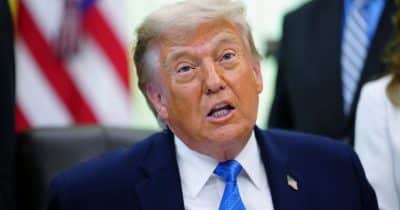
📰Former President Trump has stated his intention to resume military strikes against Iran, marking an escalation in geopolitical tensions. This conflict threatens to destabilize global markets, particularly oil prices, which could create significant volatility in cryptocurrency markets and increase regulatory scrutiny on digital asset exchanges.
GeneralNeutralCrypto Briefing · Jun 107/10
📰The Trump administration has amended Venezuela oil licenses to facilitate increased U.S. investment in the South American nation's oil sector. The policy shift could significantly alter global oil market dynamics by opening new economic opportunities while managing geopolitical tensions and regulatory complexities.
GeneralNeutralCrypto Briefing · Jun 107/10
📰Foreign direct investment in the US surged to $232 billion, reversing a four-year decline and signaling renewed confidence in American markets. This capital influx reshapes sector allocation, influences cryptocurrency volatility, and reflects how tariff policies and geopolitical factors guide global investment decisions.
CryptoBearishBlockonomi · Jun 107/10
⛓️Bitcoin's realized price of $53,600 presents a potential support level as the cryptocurrency trades near $62,150 following a recent decline to $59,000. Significant market weakness is evident through a 652,000 BTC weekly demand drop—the largest since January 2022—and negative ETF demand growth, suggesting institutional appetite may be cooling.
$BTC
GeneralBearishCrypto Briefing · Jun 10🔥 8/10
📰U.S. Defense Secretary Pete Hegseth announced planned military strikes on Iran targeting key facilities, raising concerns about regional destabilization and diplomatic strain despite assessments that Iran's regime remains stable. This geopolitical escalation has potential implications for global markets, including cryptocurrency and energy sectors sensitive to Middle East tensions.
AI × CryptoBullishCrypto Briefing · Jun 107/10
🤖A former xAI co-founder has launched River AI, a startup focused on building personalized AI systems that users can own and control. The initiative aims to democratize AI ownership by challenging corporate-controlled AI models and potentially shifting power dynamics in how users interact with artificial intelligence.
🏢 xAI
CryptoBearishBlockonomi · Jun 107/10
⛓️Stand With Crypto UK launched a campaign urging 286,000 advocates to file complaints with their banks over transfer restrictions to crypto exchanges. A report found that 40% of attempted transfers face delays or blocks, with 80% of exchanges reporting increased customer friction, highlighting systemic friction in accessing legal cryptocurrency services through traditional banking channels.
CryptoBearishNewsBTC · Jun 107/10
⛓️Bitcoin has broken down from a symmetrical triangle pattern and is testing critical support levels around $60,700–$60,800, with analysts divided on whether this zone will trigger a recovery or lead to further downside toward $54,500–$49,000. The market faces a decisive moment where technical confirmation at key support levels will determine whether Bitcoin can stabilize or enters a prolonged decline.
$BTC
GeneralBearishFortune Crypto · Jun 107/10
📰Asian governments are increasingly imposing data localization and server residency requirements in the name of digital sovereignty, but this approach risks fragmenting regional digital markets, reducing competition, and undermining ASEAN's vision for integrated digital infrastructure. The article cautions that conflating sovereignty with isolation may harm economic efficiency and resilience.
AI × CryptoBearishCrypto Briefing · Jun 107/10
🤖Oracle's disappointing earnings report, driven by substantial AI infrastructure investments, triggered a significant stock decline that rippled through broader markets and crypto assets. The market reaction reflects growing investor concerns about the financial sustainability of aggressive tech spending on artificial intelligence capabilities.
AINeutralcrypto.news · Jun 107/10
🧠Anthropic proposes that governments establish legal powers to regulate frontier AI model launches, including independent testing requirements and cybersecurity standards. The proposal aims to create safety guardrails for high-risk AI systems while preparing workforces for economic disruption.
🏢 Anthropic
CryptoNeutralBlockonomi · Jun 107/10
⛓️Anchorage, a leading digital asset custody firm, submitted public comments supporting the Treasury Department's GENIUS AML (Anti-Money Laundering) proposal, backing the classification of stablecoin issuers as financial institutions under the Bank Secrecy Act. The firm specifically sought regulatory clarity on liability boundaries for smart contract transactions and argued that stablecoin issuers should not face strict liability for unknowingly serving sanctioned users on decentralized networks.
GeneralBearishCrypto Briefing · Jun 107/10
📰Escalating US-Iran military tensions amid potential additional strikes by the Trump administration are prompting cryptocurrency markets to prepare for increased volatility. The geopolitical situation underscores how political instability and military conflict can create macroeconomic uncertainty that directly impacts crypto asset valuations and investor risk appetite.
CryptoBullishCrypto Briefing · Jun 107/10
⛓️BlackRock has filed a final amendment for its Bitcoin Premium Income ETF, intensifying competition with Goldman Sachs in the emerging crypto income product space. The approval of this product could reshape fee structures and investment strategies within the cryptocurrency derivatives market.
$BTC
CryptoBullishCrypto Briefing · Jun 107/10
⛓️Kraken has secured a sponsorship deal with FIFA for the 2026 World Cup, marking a significant mainstream adoption moment for cryptocurrency in global sports. The partnership signals growing institutional acceptance of crypto brands, though regulatory uncertainty remains a potential headwind for future similar agreements.
DeFiBearishDecrypt · Jun 107/10
💎Raydium, a major Solana-based decentralized exchange, suffered a $1.34 million exploit, with the platform committing to repay affected users from its treasury. The incident highlights growing security vulnerabilities in DeFi protocols amid an expanding wave of attacks on blockchain platforms.
$SOL
AINeutralCrypto Briefing · Jun 107/10
🧠OpenAI has banned China-linked accounts that were using ChatGPT to conduct influence operations targeting US audiences. The action demonstrates AI companies' expanding role in detecting and countering state-sponsored disinformation campaigns, signaling a critical intersection between AI capabilities and geopolitical security.
🏢 OpenAI🧠 ChatGPT