Real-time AI-curated news from 95,364+ articles across 50+ sources. Sentiment analysis, importance scoring, and key takeaways — updated every 15 minutes.
CryptoNeutralCrypto Briefing · Jun 77/10
⛓️Zcash experienced a significant price collapse of up to 57% following a critical bug discovery, but the Winklevoss twins publicly endorsed the privacy coin despite the incident. The bug scare highlights security vulnerabilities in privacy-focused cryptocurrencies and underscores the need for more rigorous code verification processes to maintain investor confidence.
GeneralBearishCrypto Briefing · Jun 7🔥 8/10
📰US military strikes on Iranian radar sites following a drone launch have escalated geopolitical tensions, raising concerns about potential disruptions to global oil supply chains. Cryptocurrency markets are monitoring the situation closely as geopolitical conflicts historically correlate with oil price volatility and inflation dynamics that influence crypto valuations.
DeFiBearishBlockonomi · Jun 77/10
💎PiggyBank protocol unwound a LAB hedge trade that became unprofitable due to negative funding rates, resulting in significant NAV declines across its asset pools (15% for USDC, 12% for SPYx, 9% for JitoSOL). The protocol is holding $1.35 million in locked LAB tokens outside NAV calculations until an August unlock, while facing criticism from analyst ZachXBT.
CryptoBullishBlockonomi · Jun 77/10
⛓️Vietnam's Securities and Exchange Commission has officially recognized crypto assets as property within the nation's digital economy framework, launching a five-year pilot program for regulated crypto exchanges. The move signals institutional acceptance of digital assets while establishing comprehensive safeguards including anti-money laundering protocols and custody standards, positioning Vietnam to capitalize on projected $70-80 billion in tokenized assets by 2030.
GeneralBearishCrypto Briefing · Jun 7🔥 8/10
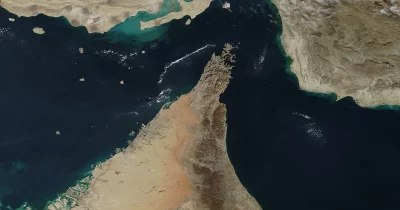
📰US Central Command intercepted Iranian missiles and struck radar sites in the Strait of Hormuz, escalating regional tensions. This geopolitical flashpoint threatens critical global oil supply routes and introduces macroeconomic volatility that historically impacts cryptocurrency markets through risk-asset repricing.
$BTC
GeneralBearishCrypto Briefing · Jun 77/10
📰The NASDAQ Composite declined 4% following a strong jobs report that triggered expectations of sustained higher interest rates. This market reaction exposed vulnerabilities in growth-dependent sectors, including technology and cryptocurrency assets that thrive in low-rate environments.
GeneralBearishCrypto Briefing · Jun 7🔥 8/10
📰Military escalation between Iran's IRGC and US forces in the Persian Gulf region threatens regional stability and global oil supplies. Tensions could trigger commodity price spikes and crypto market volatility as investors reassess geopolitical risk.
AI × CryptoBearishDecrypt · Jun 77/10
🤖Anthropic's Claude Opus 4.8 AI model discovered a critical vulnerability in Zcash, marking the first time a frontier AI system has identified a major cryptocurrency flaw. The incident reveals that the industry lacks adequate defenses against AI-powered vulnerability discovery, raising urgent questions about security protocols and responsible disclosure.
🏢 Anthropic🧠 Claude🧠 Opus
CryptoBearishBitcoinist · Jun 77/10
⛓️HTX, Justin Sun's cryptocurrency exchange, has delisted USD1, the stablecoin associated with Donald Trump's World Liberty Financial project, amid an unresolved settlement dispute between Sun and a World Liberty Financial investor. The delisting signals escalating tensions between key figures in the crypto and political spheres, potentially impacting USD1's liquidity and market viability.
GeneralBearishFortune Crypto · Jun 7🔥 8/10
📰President Trump contradicts his previous campaign pledges of avoiding new wars, claiming he never guaranteed no conflict while emphasizing military strength. The statement comes amid escalating tensions in the Strait of Hormuz and ongoing Iran-related military operations, creating uncertainty around geopolitical stability and its potential ripple effects on global markets including energy and cryptocurrency.
AINeutralCrypto Briefing · Jun 77/10
🧠The White House is accelerating AI development for national security purposes through executive action, aiming to enhance defense capabilities. While this move could strengthen U.S. security infrastructure, it raises significant concerns about ethical AI deployment and intensifies international competition in AI advancement.
GeneralBullishCrypto Briefing · Jun 77/10
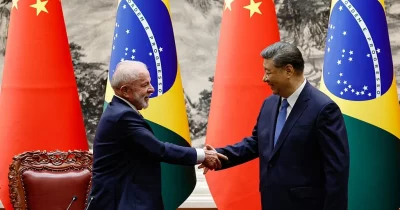
📰Brazil plans to issue its first panda bond during a June visit to China, a move that could establish a precedent for emerging markets to diversify debt portfolios away from dollar dependency. This development signals growing financial integration between Brazil and China, potentially reshaping how emerging economies manage currency exposure and debt structures.
CryptoBullishBlockonomi · Jun 77/10
⛓️The Total3 altcoin market cap index is trading near $670B–$680B, displaying chart patterns and technical indicators that mirror the 2022 bear market bottom. Analysts project potential recovery to $1 trillion over the next two to three months, with over 83% of Binance-listed assets signaling bullish momentum.
AIBullishCrypto Briefing · Jun 77/10
🧠Marvell Technology has qualified for inclusion in the S&P 500 index after meeting profitability requirements. The admission enhances the semiconductor company's market visibility and investor accessibility, while positioning it strategically within the growing AI infrastructure sector.
AIBullishCrypto Briefing · Jun 77/10
🧠Coatue Management partner Thomas Laffont predicts an incoming wave of AI company IPOs, forecasting trillion-dollar valuations for OpenAI, Anthropic, and SpaceX. This market shift could reshape investment landscapes and accelerate valuations across the technology sector.
🏢 OpenAI🏢 Anthropic
GeneralBearishCrypto Briefing · Jun 77/10
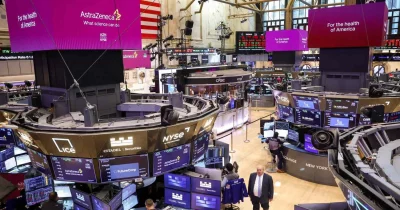
📰Wall Street's nine-week winning streak ended as technology stocks experienced a significant decline, exposing the sensitivity of tech and crypto markets to macroeconomic shifts. This downturn signals potential reassessment of investment strategies across both traditional and digital asset sectors.
GeneralBearishCrypto Briefing · Jun 77/10
📰US-traded chipmakers have lost $1.3 trillion in market value during a recent sector slump, exposing the tech industry's sensitivity to macroeconomic conditions. This significant decline reflects broader concerns about economic headwinds and their ripple effects across technology-dependent markets and investor portfolios.
AI × CryptoBullishCrypto Briefing · Jun 77/10
🤖SpaceX has secured AI compute deals with both Google and Anthropic, strengthening its financial position ahead of a planned IPO. These partnerships demonstrate growing demand for computational infrastructure to support large language models and position SpaceX as a key player in the AI infrastructure market.
🏢 Google🏢 Anthropic
CryptoBullishCrypto Briefing · Jun 77/10
⛓️Binance has integrated 7,000 US stocks and ETFs into its platform alongside cryptocurrency trading, creating a unified multi-asset marketplace. This expansion positions Binance as a comprehensive financial platform beyond crypto and signals the industry's broader shift toward traditional asset integration.
GeneralBearishCrypto Briefing · Jun 77/10
📰The US labor market added 172,000 jobs in May, but the report reveals concerning undercurrents: rising long-term unemployment and uneven sector performance suggest economic weakness despite headline growth. This mixed signal complicates the Federal Reserve's monetary policy decisions as officials weigh continued rate holds against persistent inflation concerns.
$BTC
GeneralBearishCrypto Briefing · Jun 7🔥 8/10
📰US military strikes on Iranian radar sites near the Strait of Hormuz, triggered by a drone threat, have coincided with Bitcoin dropping below $77K. The escalation in US-Iran tensions poses risks to global oil markets and crypto sector regulation, potentially undermining investor confidence across both traditional and digital asset markets.
$BTC
AIBullishTechCrunch – AI · Jun 77/10
🧠OpenAI is developing a 'super app' that extends beyond chat-based interactions, with a senior employee declaring 'chat is dead.' This signals the company's strategic pivot toward a more comprehensive platform that integrates multiple AI capabilities and use cases.
🏢 OpenAI
AIBullishFortune Crypto · Jun 77/10
🧠OpenAI is planning a strategic pivot toward a 'superapp' model ahead of its anticipated IPO, betting that the future of AI lies in autonomous agents capable of handling complex, multi-step tasks. This shift reflects a broader industry conviction that AI systems will move beyond single-purpose tools toward integrated platforms that can independently execute sophisticated operations.
🏢 OpenAI
AINeutralCrypto Briefing · Jun 77/10
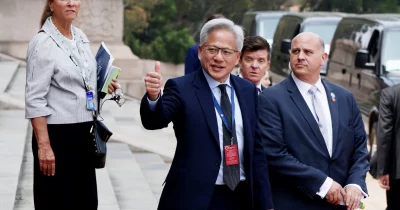
🧠Nvidia CEO Jensen Huang publicly expressed support for President Trump during a Beijing summit, signaling the semiconductor giant's political alignment at a critical moment for US-China tech relations. This declaration carries significant implications for AI policy, semiconductor trade dynamics, and how major tech companies navigate geopolitical tensions.
🏢 Nvidia
GeneralBearishBlockonomi · Jun 7🔥 8/10
📰Financial markets face a critical week driven by May CPI inflation data release, SpaceX's anticipated IPO debut, and renewed concerns about Federal Reserve rate hike decisions. These concurrent macroeconomic events and corporate milestones create significant volatility potential across equities and digital assets.