Real-time AI-curated news from 95,382+ articles across 50+ sources. Sentiment analysis, importance scoring, and key takeaways — updated every 15 minutes.
GeneralBearishFortune Crypto · Jun 77/10
📰Stock markets declined despite a strong jobs report, defying historical market behavior and sparking confusion among investors. Trump questioned the inverse relationship between positive economic data and equity performance, while Barclays warned that markets are entering a 'warning zone,' suggesting underlying economic tensions despite headline job growth.
AIBearishFortune Crypto · Jun 77/10
🧠Major AI companies are executing unprecedented equity issuances in a compressed timeframe, creating a significant supply event that could outpace demand from traditional buyers. This massive wave of share offerings raises concerns about market absorption capacity and potential pressure on valuations in the AI sector.
AIBearishFortune Crypto · Jun 77/10
🧠Banks are simultaneously reducing junior analyst positions by up to two-thirds while recruiting approximately 62% of their AI talent from these same junior cohorts. This paradox reveals banks' strategic pivot toward AI-driven operations, where automation replaces traditional entry-level roles while the industry competes intensely for specialized AI expertise.
GeneralBearishCrypto Briefing · Jun 7🔥 8/10
📰The S&P 500 lost $1.8 trillion in market value while the Nasdaq experienced its largest single-day point decline on record, underscoring how interest rate fluctuations create correlated downturns across equities and cryptocurrencies. This event challenges the assumption that diversification across traditional and digital assets provides meaningful protection during macroeconomic stress.
DeFiBullishCrypto Briefing · Jun 77/10
💎Private credit issuance declined 40% to $45B in Q2 2026 while on-chain lending surged past $14B, signaling a structural shift in how credit markets operate. This trend reflects growing adoption of blockchain-based lending mechanisms as alternatives to traditional private credit markets.
CryptoBullishCrypto Briefing · Jun 77/10
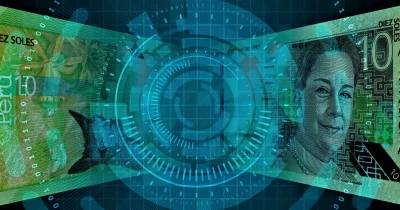
⛓️Peru's central bank has extended its CBDC pilot program through 2027 after achieving over 3.5 million users, demonstrating significant adoption in the Latin American market. The extension signals confidence in digital currency's potential to improve financial inclusion in underserved regions.
GeneralNeutralFortune Crypto · Jun 77/10
📰The U.S. Treasury Secretary Scott Bessent is directing his team to assess whether frozen Iranian assets could be redirected to Gulf allies for regional infrastructure repairs. This initiative signals a potential shift in how Washington manages seized foreign assets and could reshape geopolitical dynamics in the Middle East.
GeneralBearishFortune Crypto · Jun 7🔥 8/10
📰Escalating tensions between the U.S. and Iran have intensified dramatically 100 days after an initial truce began in April, with the past week marking the worst flare-up since hostilities nominally ceased. The deteriorating diplomatic situation raises concerns about potential broader regional conflict that could disrupt global markets and energy prices.
AI × CryptoNeutralCrypto Briefing · Jun 77/10
🤖Microsoft has gained increased autonomy from OpenAI to independently pursue superintelligence development, a shift that could intensify competition in the AI sector. This development has potential implications for both the artificial intelligence market and cryptocurrency ecosystems dependent on AI infrastructure.
🏢 OpenAI
CryptoBearishCrypto Briefing · Jun 77/10
⛓️Pump.fun's GO bounty platform faced significant backlash after a $690K listing became associated with suicide-related content, exposing critical gaps in content moderation for decentralized platforms. The incident underscores the tension between decentralization and the need for safety guardrails to prevent harmful listings.
DeFiBullishCoinDesk · Jun 77/10
💎Abra CEO Bill Barhydt is positioning the company's upcoming Nasdaq listing around tokenized yield products and onchain lending as the next growth drivers for crypto wealth management. This reflects Wall Street's evolving strategy to capture institutional crypto adoption through blockchain-native financial infrastructure rather than traditional custody models.
GeneralBearishCrypto Briefing · Jun 7🔥 8/10
📰The NASDAQ experienced its largest point drop on record while the S&P 500 lost $1.8 trillion in market value during a severe selloff driven by shifting interest rate expectations. The market downturn reflects the sensitivity of risk assets to monetary policy signals, creating strategic challenges for Federal Reserve policymakers navigating robust employment data.
AIBullishBlockonomi · Jun 77/10
🧠SK Hynix has seen its stock surge following confirmation from Nvidia CEO Jensen Huang that the South Korean chipmaker will supply DRAM for Nvidia's Vera CPU. Huang simultaneously warned that memory shortages will persist for several years, reinforcing long-term demand for suppliers like SK Hynix.
🏢 Nvidia
GeneralBearishCrypto Briefing · Jun 77/10
📰The PHLX Semiconductor Index experienced a 10% decline, marking its worst day in six years. This sharp downturn reflects growing concerns about AI-driven growth expectations and the impact of rising interest rates on the technology sector.
CryptoBearishCrypto Briefing · Jun 7🔥 8/10
⛓️Escalating US-Iran tensions near the Strait of Hormuz, marked by Iranian drone launches and US interception, have triggered cryptocurrency market volatility with Bitcoin falling below $73K. Geopolitical instability threatens global oil supply chains and increases regulatory pressure on digital assets during periods of international conflict.
$BTC
CryptoBearishCrypto Briefing · Jun 77/10
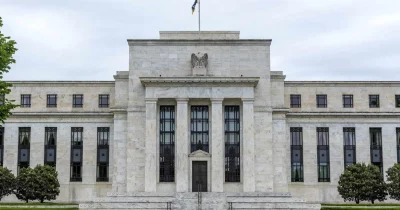
⛓️The Federal Reserve faces increased scrutiny over a potential rate hike following a strong jobs report. Such monetary tightening would increase borrowing costs and opportunity costs for cryptocurrency holdings, potentially dampening tech and crypto investments.
CryptoBearishNewsBTC · Jun 77/10
⛓️Bitcoin experienced its worst week since the FTX collapse in November 2022, declining nearly 20% in the first week of June 2026. The crash has sparked debate about whether the market has reached a bottom, with some analysts drawing parallels to previous bear-market capitulations, though conflicting forecasts suggest a prolonged downturn could extend into Q4 2026.
$BTC$XRP
AI × CryptoBullishCrypto Briefing · Jun 77/10
🤖A UAE official met with the US Vice President to discuss a $1.4 trillion economic framework that could reshape global tech supply chains and influence cryptocurrency regulation. The bilateral agreement has potential implications for hardware costs, tech infrastructure, and how both nations approach digital asset regulation.
AINeutralCrypto Briefing · Jun 77/10
🧠The Trump administration is considering acquiring government stakes in leading AI companies, with a White House meeting planned to discuss the proposal. This potential move could fundamentally reshape technology industry dynamics, influence AI innovation direction, and create conflicts of interest regarding regulatory oversight.
GeneralBearishCrypto Briefing · Jun 77/10
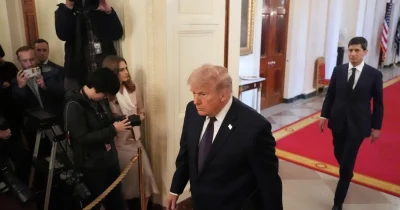
📰Former President Donald Trump claimed Iran has depleted 78-79 percent of its missile arsenal, retaining only 21-22 percent of its original stockpile. This assertion carries significant geopolitical implications that could influence global energy markets and cryptocurrency volatility through shifts in regional stability and risk premiums.
CryptoBearishBlockonomi · Jun 77/10
⛓️Blockchain investigator ZachXBT has raised serious concerns about JuCoin's operational integrity, citing widespread user withdrawal failures and claiming the exchange's $511M reserve is artificially inflated through self-issued stablecoins. The allegations come amid a pattern of losses and security breaches affecting JuDAO, JuCoin's parent organization, including a $20M loss and connections to proceeds from the Bybit DPRK hack.
AIBullishCrypto Briefing · Jun 77/10
🧠The University of Cambridge is conducting the first clinical trial of an AI-designed vaccine targeting coronaviruses, representing a breakthrough in computational drug development. This advancement could accelerate pandemic preparedness by enabling rapid vaccine design against future coronavirus variants and zoonotic spillover events.
AIBullishCrypto Briefing · Jun 77/10
🧠The Trump administration has issued a directive requiring US national security agencies to work with multiple AI providers rather than relying on a single vendor. This policy aims to foster competition, reduce concentration risk, and strengthen the nation's cybersecurity posture through technological diversity.
AI × CryptoBullishBlockonomi · Jun 77/10
🤖Travala has launched an AI-powered hotel booking protocol on the Base blockchain that leverages USDC stablecoins for payments across 2.2 million hotels. The platform offers ultra-low transaction fees of $0.01 and enables instant settlement, combining artificial intelligence with blockchain infrastructure to simplify travel bookings.
AI × CryptoBearishBlockonomi · Jun 77/10
🤖Zcash experienced a 40% price decline following the disclosure and patching of a critical vulnerability in its Orchard privacy pool discovered after 4 years in production. The flaw was identified by AI systems with no evidence of exploitation in the wild, though the revelation has triggered significant market concerns about the security of privacy-focused cryptocurrency infrastructure.