Real-time AI-curated news from 99,874+ articles across 50+ sources. Sentiment analysis, importance scoring, and key takeaways — updated every 15 minutes.
GeneralNeutralCrypto Briefing · May 87/10
📰Saudi Aramco and the Abu Dhabi National Oil Company (ADNOC) have resumed oil shipments through the Strait of Hormuz, potentially alleviating global oil supply pressures. However, underlying geopolitical tensions persist, which could threaten future stability in this critical energy chokepoint.
CryptoNeutralcrypto.news · May 87/10
⛓️Senator Sanders is pushing the Federal Reserve to cut interest rates sooner than the central bank currently plans, creating a policy conflict that leaves crypto markets navigating a "higher for longer" rate environment. This political pressure represents a widening divergence between lawmakers seeking monetary easing and Fed officials maintaining their cautious stance, with implications for asset pricing across risk-on sectors including digital assets.
DeFiBullishcrypto.news · May 87/10
💎Ondo (ONDO) has broken through its $0.30 resistance level, driven by institutional interest following a JPMorgan-Mastercard tokenized Treasury pilot and strong Q1 performance that pushed its total value locked (TVL) to $3.53 billion. The token reached an intraday high near $0.40 on May 8, raising questions about whether it can sustain momentum toward January's previous highs.
CryptoBearishDaily Hodl · May 87/10
⛓️An international law enforcement operation involving the FBI, Dubai Police, and China's Ministry of Public Security dismantled nine cryptocurrency investment scam centers and arrested 276 individuals. The coordinated crackdown highlights the global scale of crypto fraud operations and demonstrates increased international cooperation in combating digital asset crimes.
CryptoNeutralThe Block · May 87/10
⛓️Bitcoin is consolidating near $80,200 despite positive April jobs data, as geopolitical tensions with Iran and persistent ETF outflows limit upside momentum. The market is facing competing forces—macroeconomic resilience versus institutional de-risking and external risk factors—that are keeping price appreciation in check.
$BTC
CryptoBullishNewsBTC · May 87/10
⛓️Crypto analysts suggest that Ripple's potential access to a Federal Reserve master account could dramatically increase XRP's value by enabling massive stablecoin issuance and cross-border payments. The $5 trillion master account aligns with projections that 30% of Ripple's $13 trillion treasury business could move on-chain by 2031, with some analysts modeling XRP reaching $80 by 2032.
$XRP
CryptoBearishcrypto.news · May 87/10
⛓️Mobile wallet zero-day vulnerabilities and SDK flaws are eroding user confidence in centralized cryptocurrency solutions, prompting advanced users to adopt isolated, multi-device signing architectures that limit exposure from single-point compromises. The trend underscores systemic risks in third-party software dependencies that retail users often fail to recognize.
AIBullishBlockonomi · May 86/10
🧠Robo.ai (AIIO) stock surged 70% in premarket trading following the announcement of a $100M all-stock acquisition of Neurovia, an AI data company. The deal is expected to close by June 16, signaling management's confidence in integrating AI data capabilities into its platform.
CryptoNeutralBlockonomi · May 87/10
⛓️A Federal Reserve Governor supports tokenization as a means to expand capital market access, particularly in emerging economies, while the U.S. tokenized asset market has surpassed $25 billion with significant growth. The discussion highlights both the efficiency gains from smart contracts and automation alongside concerns about systemic risks that require regulatory attention.
AIBullishBlockonomi · May 87/10
🧠Akamai Technologies secured a $1.8 billion AI infrastructure contract with a frontier model provider, triggering a 23% premarket surge in AKAM stock. The company also delivered Q1 earnings that exceeded analyst expectations, signaling strong execution in the competitive AI cloud services market.
AIBullishcrypto.news · May 87/10
🧠Taiwan's stock market surged 22.7% in April, driven by massive investor demand for semiconductor and technology shares amid accelerating AI adoption globally. The rally represents the fastest growth since 1987, signaling strong economic momentum fueled by exports and AI-related chip demand.
CryptoBullishCoinDesk · May 87/10
⛓️Coinbase's recent earnings miss has prompted analysts to shift focus toward long-term structural drivers like stablecoin adoption and favorable U.S. cryptocurrency legislation rather than near-term trading volume recovery. This perspective suggests the exchange's growth trajectory may depend more on regulatory tailwinds and blockchain infrastructure development than cyclical market activity.
GeneralNeutralCrypto Briefing · May 87/10
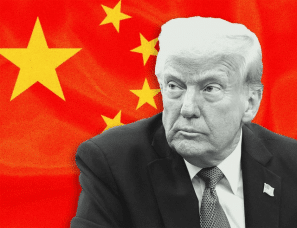
📰A planned Trump-Xi summit in Beijing carries significant implications for US-China relations and global trade dynamics at a time when US-Iran tensions are escalating. The meeting represents a critical diplomatic engagement that could reshape bilateral relations and influence cryptocurrency and broader market sentiment.
CryptoBullishDecrypt · May 87/10
⛓️Zcash is advancing its post-quantum cryptography roadmap with plans to launch a quantum-recoverable wallet within one month, targeting a full post-quantum migration by 2027. This initiative addresses growing concerns about quantum computing's threat to current cryptographic standards and positions Zcash as a leader in quantum-resistant privacy solutions.
CryptoBullishCrypto Briefing · May 87/10
⛓️Block, Jack Dorsey's fintech company, has increased its Bitcoin reserves to over 9,000 BTC, coinciding with a 10% surge in the company's stock price. This move underscores how major corporate Bitcoin holdings are becoming a meaningful driver of fintech valuations and broader cryptocurrency market sentiment.
$BTC
CryptoBearishcrypto.news · May 87/10
⛓️NSW Police seized 52.3 Bitcoin ($4.1 million) linked to alleged darknet marketplace activity in a crypto-forensics-led raid, marking a significant enforcement action ahead of AUSTRAC's 2026 regulatory rules targeting weakly regulated VASPs and darknet-linked exchanges.
$BTC
CryptoBearishBlockonomi · May 87/10
⛓️A Swiss Bitcoin reserve initiative failed to collect the 100,000 signatures needed for a referendum, gathering only 50,000. The Swiss National Bank rejected Bitcoin as a reserve asset due to price volatility and liquidity concerns, while Bitcoin's consecutive yearly losses in 2025 and 2026 undermined the campaign's investment thesis.
$BTC
GeneralNeutralFortune Crypto · May 87/10
📰The U.S. economy added 115,000 jobs in April, exceeding analyst expectations of 65,000 but showing a notable deceleration from March's 185,000 jobs. This mixed employment signal suggests labor market momentum is cooling while remaining resilient, with implications for Federal Reserve policy decisions.
GeneralBearishCrypto Briefing · May 87/10
📰Steady US unemployment and robust economic growth are expected to prevent Federal Reserve rate cuts through at least mid-2026, as policymakers prioritize inflation control. This extended period of higher interest rates will reshape market expectations and potentially impact risk asset valuations, including cryptocurrency markets that typically benefit from lower-rate environments.
CryptoBullishU.Today · May 87/10
⛓️Zcash has announced a 2027 roadmap emphasizing quantum-resistant cryptography and increased payment throughput, aiming to position ZEC as a privacy-centric payment alternative comparable to traditional payment networks like Mastercard and Visa. The initiative combines enhanced security protocols with scaling solutions to expand ZEC's utility beyond store-of-value to become a practical transaction medium.
$BTC
GeneralNeutralBlockonomi · May 87/10
📰Stock futures rallied despite escalating US-Iran military tensions near the Strait of Hormuz, suggesting investor confidence in market resilience. Traders are closely monitoring the upcoming April jobs report, which forecasts 65,000 new payrolls and a 4.3% unemployment rate—data that could significantly influence Federal Reserve policy and risk asset valuations.
GeneralNeutralCoinDesk · May 87/10
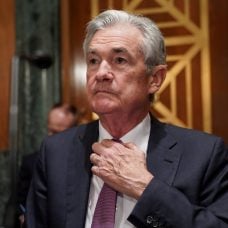
📰The U.S. labor market added 115,000 jobs in April, nearly doubling economist expectations and signaling continued economic resilience. This employment data arrives as the Federal Reserve prepares for a leadership transition with a new chairman taking office later in the month, potentially influencing monetary policy decisions ahead.
GeneralBearishCrypto Briefing · May 87/10
📰Rising geopolitical tensions between the U.S. and Iran following Trump's warnings threaten to destabilize peace negotiations and increase energy market volatility. Escalating diplomatic friction could trigger broader macroeconomic uncertainty that indirectly affects cryptocurrency and digital asset markets through risk-off investor sentiment and energy cost pressures.
GeneralBullishCrypto Briefing · May 87/10
📰President Trump plans to visit China by May 31 accompanied by tech CEOs, with potential Boeing aviation deals on the agenda. The visit signals efforts to improve US-China trade relations and could positively impact technology and aerospace sectors.
CryptoBullishWu Blockchain · May 87/10
⛓️The NYSE has submitted a rule change proposal to the SEC enabling the trading of tokenized securities within its existing market framework, signaling institutional acceptance of blockchain-based assets. This development, alongside workforce reductions at Coinbase and MicroStrategy's reconsideration of Bitcoin sales, reflects the crypto industry's ongoing maturation and institutional integration despite near-term headwinds.
$BTC