Models, papers, tools. 60,093 articles with AI-powered sentiment analysis and key takeaways.
GeneralBearishFortune Crypto · Apr 19🔥 8/10
📰U.S. Marines seized an Iranian-flagged cargo ship in the Gulf of Oman after it ignored warnings from a Navy guided missile destroyer and attempted to evade a blockade. The Navy damaged the vessel's engine room during the enforcement action, highlighting escalating maritime tensions in a strategically critical region.
GeneralBearishCrypto Briefing · Apr 19🔥 8/10
📰A US-Israel military conflict with Iran is disrupting global energy markets and creating widespread humanitarian casualties. The geopolitical escalation heightens international instability and raises risks of further conflict expansion with significant implications for oil prices, supply chains, and macroeconomic conditions affecting all financial markets.
GeneralBearishCrypto Briefing · Apr 19🔥 8/10
📰Iran faces a severe political crisis as the country remains unable to bury Supreme Leader Khamenei 50 days after his death, signaling deep internal divisions within the regime. The prolonged uncertainty reflects significant vulnerabilities in Iran's power structure and raises concerns about potential instability that could have broader geopolitical implications.
GeneralBearishBitcoinist · Apr 19🔥 8/10
📰Iran's Foreign Ministry accused the US of committing war crimes through an unlawful naval blockade, hours after President Trump claimed Iran violated ceasefire terms by firing in the Strait of Hormuz. The escalating geopolitical tensions in a critical global shipping corridor create uncertainty for energy markets and cryptocurrency volatility.
$BTC
GeneralBearishFortune Crypto · Apr 19🔥 8/10
📰The International Monetary Fund warns that surging U.S. federal debt is eroding the traditional 'safety premium' that has long made Treasury bonds attractive, with yields now exceeding comparable hedged G10 sovereign bonds. This structural shift signals diminishing confidence in U.S. fiscal sustainability and leaves policymakers with a narrowing window for orderly deficit reduction before market dynamics force more disruptive adjustments.
GeneralBearishCrypto Briefing · Apr 19🔥 8/10
📰Israel and the US have engaged in direct military conflict with Iran since late February, marking a significant escalation in Middle Eastern tensions. This geopolitical crisis introduces substantial uncertainty into global markets, including cryptocurrency and traditional assets, while complicating efforts toward diplomatic resolution.
GeneralBearishCrypto Briefing · Apr 19🔥 8/10
📰Israel has vowed to demolish homes linked to Hezbollah in Lebanon as ceasefire tensions escalate, threatening regional stability and potentially disrupting diplomatic negotiations. The escalation could reshape geopolitical dynamics and create market volatility across energy, defense, and cryptocurrency markets sensitive to Middle Eastern conflict.
GeneralBearishCrypto Briefing · Apr 19🔥 8/10
📰The USS Gerald R. Ford carrier strike group has deployed to the Red Sea as part of the largest US military buildup since 2003, signaling escalating geopolitical tensions in the region. This deployment carries significant implications for global oil markets and could influence cryptocurrency volatility through broader macroeconomic impacts.
GeneralBearishCrypto Briefing · Apr 19🔥 8/10
📰Tehran's decision to delay diplomatic talks with the US has triggered a significant market reaction, with the ceasefire market declining 21 points. This geopolitical escalation undermines confidence in near-term conflict resolution and signals heightened tensions in the region.
GeneralBearishCrypto Briefing · Apr 19🔥 8/10
📰Iran has claimed control of the Strait of Hormuz amid reported US military retreats, while diplomatic negotiations between the two nations remain stalled. This escalation threatens global oil supply chains and regional stability, with potential ripple effects on energy prices and broader economic markets.
GeneralBearishCrypto Briefing · Apr 19🔥 8/10
📰CCTV footage confirms an Israeli military strike on an Iranian hospital, escalating Middle East tensions and raising concerns about civilian safety. The incident reinforces market expectations of Iranian retaliation, creating uncertainty that typically increases volatility in risk assets including cryptocurrencies.
GeneralBearishCrypto Briefing · Apr 19🔥 8/10
📰Israeli Prime Minister Netanyahu confirms that US-Israeli military operations against Iran are ongoing with no clear endpoint, signaling sustained geopolitical tension. This prolonged conflict environment reduces diplomatic resolution prospects and creates macroeconomic uncertainty that typically pressures risk assets including cryptocurrencies.
GeneralBearishCrypto Briefing · Apr 19🔥 8/10
📰Hezbollah reportedly attacked UN peacekeepers in Lebanon during an active ceasefire, according to IDF confirmation. The incident undermines ceasefire confidence and raises tensions that could reignite broader hostilities in the region.
GeneralBearishCrypto Briefing · Apr 19🔥 8/10
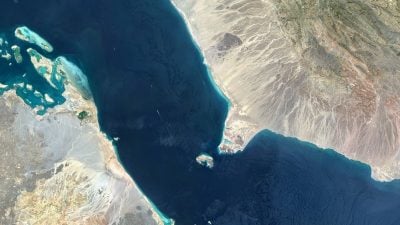
📰Yemen has threatened to block the Bab el-Mandeb Strait, a critical maritime chokepoint through which approximately 12% of global trade flows. The threat, framed as a response to perceived obstruction of peace efforts by the Trump administration, could severely disrupt oil supply chains and elevate geopolitical tensions affecting global markets.
GeneralBearishCrypto Briefing · Apr 19🔥 8/10
📰Iran's Islamic Revolutionary Guard Corps (IRGC) is consolidating power amid severe economic decline and martial law conditions, creating potential instability risks for the country's political leadership by year-end. This power concentration reflects deepening economic pressures and internal governance challenges that could destabilize the region.
GeneralBearishCrypto Briefing · Apr 19🔥 8/10
📰US Energy Secretary confirms continued US-Israel military pressure on Iran, a development that threatens to undermine diplomatic negotiations and escalate regional tensions. This geopolitical escalation introduces significant uncertainty into global markets, including cryptocurrency volatility linked to energy prices and risk assets.
GeneralBearishCrypto Briefing · Apr 19🔥 8/10
📰The IDF has established a forward defense line in southern Lebanon, signaling an escalation and prolongation of military operations that defies market expectations of quick resolution. This geopolitical development introduces regional instability risks that could ripple through global markets, including cryptocurrency and risk assets.
GeneralBearishCrypto Briefing · Apr 19🔥 8/10
📰Israel's military escalation threats against Hezbollah in Lebanon, coupled with Iran's continued uranium enrichment defiance, signal deepening Middle Eastern geopolitical tensions. These developments increase regional instability and create macroeconomic uncertainty affecting global markets, including cryptocurrency and risk assets.
GeneralBearishCrypto Briefing · Apr 19🔥 8/10
📰President Trump announced new US-Iran diplomatic talks while simultaneously threatening infrastructure strikes, creating conflicting signals that increase geopolitical uncertainty and market volatility. The mixed messaging undermines confidence in peaceful resolution and amplifies risk sentiment across financial markets, including cryptocurrency.
GeneralBearishCrypto Briefing · Apr 19🔥 8/10
📰Yemen's Ansarullah movement has warned of a potential permanent closure of the Bab al-Mandeb Strait, a critical global shipping chokepoint. Such a closure would severely disrupt international trade, constrain oil flows, and heighten geopolitical tensions with significant macroeconomic consequences.
GeneralBearishCrypto Briefing · Apr 19🔥 8/10
📰Trump has pledged retaliation following Iran's downing of a US F-15 jet, escalating geopolitical tensions between the two nations. This military confrontation and threat of further action create uncertainty in global markets, as investors reassess risk exposure to oil, equities, and safe-haven assets.
GeneralBearishCrypto Briefing · Apr 19🔥 8/10
📰Shipping traffic through the Strait of Hormuz has halted despite Iranian claims of maintaining open passage, signaling escalating geopolitical tensions. The disruption threatens global oil supply stability and could trigger price volatility affecting cryptocurrency markets sensitive to macroeconomic conditions.
GeneralBearishCrypto Briefing · Apr 19🔥 8/10
📰A senior commander of Hezbollah's Radwan Force has been killed, highlighting the fragility of the current ceasefire and raising concerns about renewed conflict escalation. Despite this development, cryptocurrency markets have maintained confidence in peace, though geopolitical tensions pose underlying risks to broader market stability.
GeneralBearishCrypto Briefing · Apr 19🔥 8/10
📰Qatar has issued warnings about potential global economic shocks stemming from Iran's increased control over the Strait of Hormuz, a critical chokepoint for global oil trade. The development has prompted diplomatic interventions aimed at reducing systemic economic and financial market risks.
GeneralBearishCrypto Briefing · Apr 19🔥 8/10
📰Iran has closed the Strait of Hormuz amid stalled US peace negotiations, escalating geopolitical tensions and creating significant disruptions to global oil supply chains. This action heightens market volatility and complicates diplomatic efforts to resolve ongoing regional conflicts.