GeneralBearishCrypto Briefing · Apr 16🔥 8/10
AI Pulse News
Models, papers, tools. 60,213 articles with AI-powered sentiment analysis and key takeaways.
60213 articles

GeneralBearishCrypto Briefing · Apr 16🔥 8/10

GeneralBearishCrypto Briefing · Apr 16🔥 8/10

GeneralBearishCrypto Briefing · Apr 16🔥 8/10

GeneralBearishCrypto Briefing · Apr 16🔥 8/10

GeneralBearishCrypto Briefing · Apr 16🔥 8/10
GeneralBearishCrypto Briefing · Apr 16🔥 8/10

GeneralBearishCrypto Briefing · Apr 16🔥 8/10
GeneralBearishCrypto Briefing · Apr 16🔥 8/10

GeneralBearishCrypto Briefing · Apr 15🔥 8/10

GeneralNeutralcrypto.news · Apr 15🔥 8/10
📰
Iran Nuclear Deal Bitcoin Rally: What a 20-Year Freeze Could Unlock
The US has proposed a 20-year freeze on Iran's nuclear program as part of peace negotiations, which could potentially reduce global oil prices below $80 per barrel. This geopolitical development has implications for cryptocurrency markets, particularly Bitcoin, as lower oil prices typically correlate with shifts in macro asset allocation and inflation expectations.

$BTC
GeneralBearishcrypto.news · Apr 15🔥 8/10
📰
Hormuz Oil Bitcoin Watch: China’s Tanker Breaches the Blockade
A Chinese-owned, U.S.-sanctioned tanker successfully transited the Strait of Hormuz, reportedly breaching a U.S. naval blockade. The incident coincided with WTI crude oil rising to $90.4 per barrel on April 15, highlighting geopolitical tensions that historically correlate with cryptocurrency volatility and safe-haven asset demand.

$BTC
GeneralBearishCrypto Briefing · Apr 15🔥 8/10
📰
Iran faces potential economic collapse in three months due to US naval blockade
A US naval blockade threatens Iran with potential economic collapse within three months, creating significant pressure for political concessions. The crisis could destabilize the Middle East and disrupt global energy markets, with ripple effects across commodity and cryptocurrency markets.

GeneralBearishFortune Crypto · Apr 15🔥 8/10
📰
Trump says the Iran war is ‘very close to over’—despite no deal, a live blockade, and threats mounting
President Trump claims the Iran conflict is nearing resolution despite ongoing military blockades of the Strait of Hormuz by both U.S. and Iranian forces and no formal peace agreement in place. Negotiators signal an extended cease-fire could materialize soon, though significant geopolitical tensions remain unresolved.

GeneralBearishCrypto Briefing · Apr 15🔥 8/10
📰
Hezbollah fires rockets at Safed as Lebanon conflict continues
Hezbollah's rocket attacks on Safed signal escalating regional conflict in Lebanon, with potential spillover effects on global oil markets and geopolitical stability. The incident underscores Middle Eastern tensions that could influence cryptocurrency and broader financial market volatility.

GeneralBearishFortune Crypto · Apr 15🔥 8/10
📰
With global oil supplies weeks away from systemic shortages, Trump teases an end to the war
Global oil supplies face potential systemic shortages in the coming weeks, creating significant macroeconomic uncertainty. Trump's signals toward ending an ongoing war suggest geopolitical developments that could stabilize energy markets and reduce inflation pressures affecting broader financial markets.

GeneralBullishCoinDesk · Apr 15🔥 8/10
📰
The 100% debt trap: Why the IMF’s latest warning is a massive long-term signal for bitcoin
The IMF projects global public debt will reach approximately 100% of world GDP by 2029, marking a critical threshold that historically signals economic instability. This development is viewed by cryptocurrency advocates as a potential catalyst for Bitcoin adoption as investors seek alternatives to fiat currencies and traditional financial systems.

$BTC
AI × CryptoBearishCoinTelegraph · Apr 15🔥 8/10
🤖
North Korean hackers used AI-enabled social engineering in Zerion attack
North Korean hackers executed a sophisticated attack on Zerion using AI-enabled social engineering tactics, marking the second major long-term social engineering campaign this month following the $280 million Drift Protocol exploit. The incident demonstrates how threat actors are leveraging artificial intelligence to enhance the effectiveness and scale of credential compromise attacks against cryptocurrency platforms.

AINeutralArs Technica – AI · Apr 14🔥 8/10
🧠
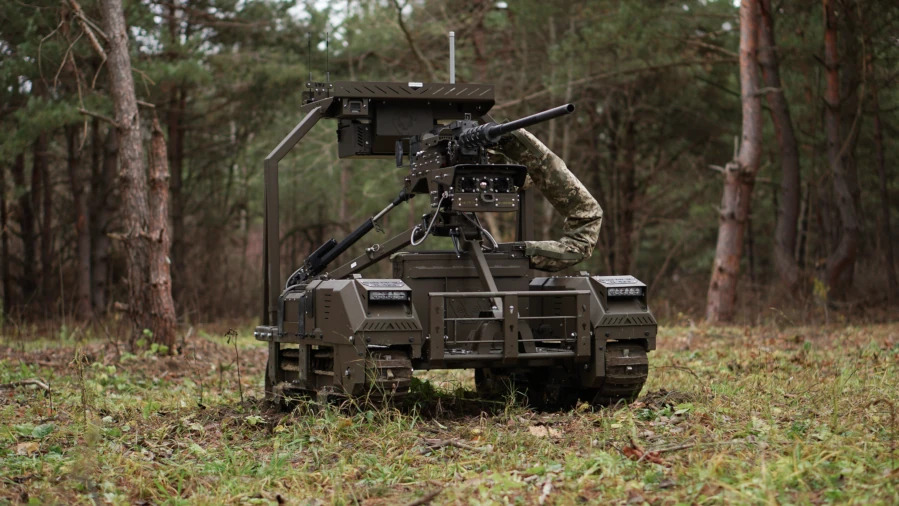
Ukraine’s military robot surge aims to offset drone risks to humans
Ukraine is accelerating its deployment of military robots on the battlefield to reduce human casualties and mitigate risks from drone warfare. This shift reflects broader geopolitical trends where autonomous systems are becoming critical force multipliers in modern conflict zones.
GeneralBearishcrypto.news · Apr 14🔥 8/10
📰
Fed’s Goolsbee warns rate cuts may be delayed until 2027 on Iran war oil shock
Federal Reserve official Austan Goolsbee warned that rate cuts could be delayed until 2027 if geopolitical tensions in Iran sustain elevated oil prices and keep inflation above the Fed's 2% target. This statement signals the central bank's concern that external shocks may constrain monetary policy flexibility beyond previously anticipated timelines.

GeneralBearishFortune Crypto · Apr 14🔥 8/10
📰
Xi Jinping says the world order is ‘crumbling into disarray.’ Larry Fink and the IMF are worried about a global recession
Xi Jinping warns that the global world order is destabilizing amid geopolitical tensions, trade conflicts, and regional instability, while major financial figures like Larry Fink and IMF officials express concerns about an imminent global recession. These converging macroeconomic and political pressures could reshape investment landscapes and create significant volatility across traditional and digital asset markets.

GeneralBearishcrypto.news · Apr 14🔥 8/10
📰
U.S. President says “the right people” seek deal despite start of Iran blockade
U.S. President Donald Trump has imposed a naval blockade on Iran's ports, warning the country will no longer be allowed to "extort the world" through economic coercion. Trump suggests diplomatic negotiations are progressing with qualified parties despite the escalatory enforcement measure.

GeneralBearishcrypto.news · Apr 13🔥 8/10
📰
Crypto Market Update: The AI Stock Trade Is Over for Now as Energy Is Up 30% in 2026 and Investors Are Rethinking Everything
AI stocks that dominated market gains for three years have stalled in 2026, while energy stocks surged nearly 30% due to geopolitical tensions and an Iran-related energy shock. This sector rotation signals a fundamental shift in investor priorities away from artificial intelligence toward traditional energy infrastructure.

GeneralBearishcrypto.news · Apr 13🔥 8/10
📰
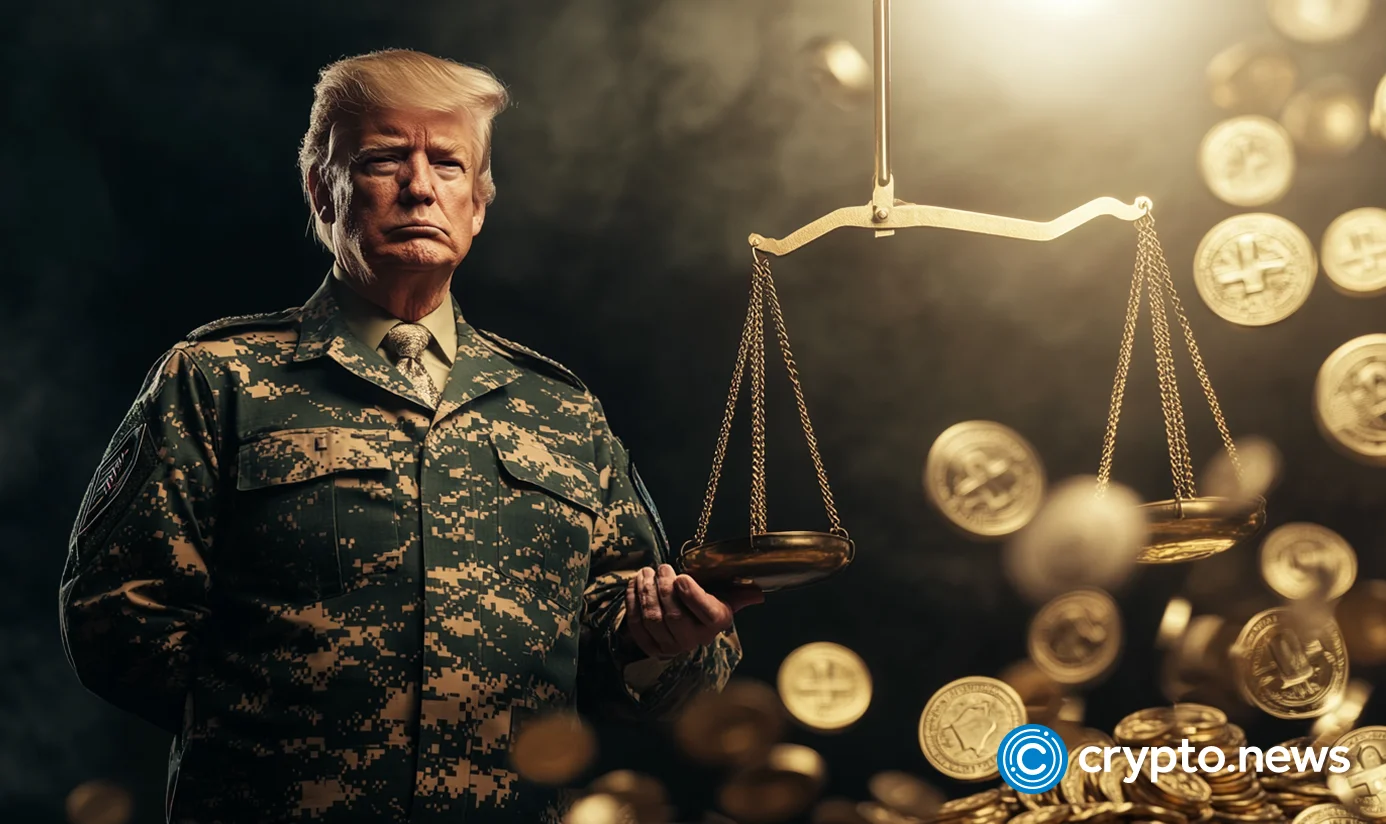
US Political News: Trump Threatens to Hit Iran’s Power Grids and Water Plants and Why This Escalation Could Rattle Global Markets
Trump's renewed threats to target Iran's critical infrastructure, including power grids and water desalination plants, have escalated geopolitical tensions as a naval blockade reportedly goes into effect. Legal experts have flagged these actions as potential war crimes, creating significant uncertainty in global markets that could impact energy prices, risk assets, and cryptocurrency volatility.
GeneralBearishcrypto.news · Apr 13🔥 8/10
📰
US Politics Today: Trump’s Iran Blockade Is Now in Effect and What It Means for Oil Prices, Inflation, and Your Wallet
The US Navy's blockade of Iranian ports commenced Monday morning, causing Brent crude to surge above $103 and WTI to $104. The geopolitical action directly impacts global oil prices and inflation pressures affecting American household costs.