Models, papers, tools. 61,430 articles with AI-powered sentiment analysis and key takeaways.
GeneralNeutralFortune Crypto · Jun 247/10
📰Iran and the U.S. are in contradictory negotiations over nuclear inspections and war resolution, with Iranian officials denying agreements that Trump administration figures claim exist. Trump stated there is no rush to finalize these terms, suggesting negotiations remain fluid amid broader geopolitical tensions.
AINeutralFortune Crypto · Jun 247/10
🧠China's LineShine supercomputer has claimed the top position in the TOP500 ranking for the first time since 2017, displacing the U.S.-based El Capitan system. This shift represents a significant milestone in the global computational arms race and reflects China's advancing technological capabilities in high-performance computing infrastructure.
AINeutralDecrypt – AI · Jun 247/10
🧠OpenAI has unveiled Jalapeño, its first custom AI chip developed in partnership with Broadcom, marking a strategic shift toward vertical integration of hardware for large language models. This move reflects OpenAI's effort to reduce dependency on third-party chip suppliers and optimize performance for its AI infrastructure.
🏢 OpenAI🧠 ChatGPT
AIBullishCrypto Briefing · Jun 247/10
🧠Google is advancing its nuclear energy strategy by partnering with Kairos Power and GE Vernova to secure long-term power supplies for its data centers and AI operations. This move signals a major shift in how tech giants procure energy and could reshape competitive dynamics across the technology sector while driving significant demand for advanced nuclear technologies.
AIBullishCrypto Briefing · Jun 247/10
🧠Micron Technology is reporting Q3 earnings after market close with significant growth expectations driven by AI memory demand. The announcement highlights how semiconductor strength tied to artificial intelligence adoption creates volatility in tech stocks and potential trading opportunities in tokenized markets.
GeneralBearishMIT Technology Review · Jun 247/10
📰Europe is experiencing record-breaking heat that is forcing power plants offline while electricity demand surges from air conditioning and cooling needs. France recorded its hottest day since 1947, straining the grid's capacity to meet peak demand during the crisis.
AIBullishBlockonomi · Jun 247/10
🧠Marvell Technology's stock surged 247% in 2026 driven by strong demand for AI chips, with Q1 results beating estimates and fiscal 2027 guidance targeting $11.5B in revenue. The article examines whether the semiconductor company's momentum can sustain amid competitive pressures and market maturation.
GeneralNeutralCrypto Briefing · Jun 247/10
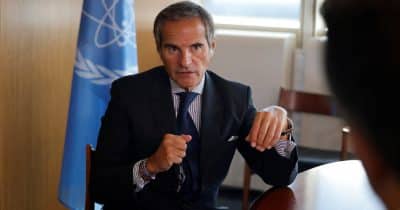
📰The International Atomic Energy Agency (IAEA) has confirmed that nuclear inspections in Iran will resume as a US-Iran deal progresses toward finalization. This diplomatic development could reduce geopolitical tensions and stabilize global markets, potentially lowering cryptocurrency volatility.
GeneralBearishCrypto Briefing · Jun 24🔥 8/10
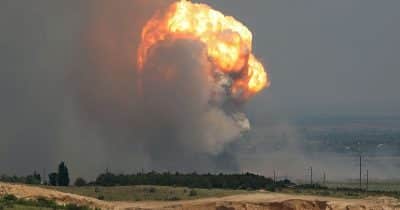
📰Ukraine has destroyed over 60,000 tons of ammunition in Russian territory near St. Petersburg, demonstrating expanded long-range strike capabilities. This escalation reveals gaps in Russian defensive infrastructure and could reshape geopolitical risk assessments that influence global markets, including cryptocurrency volatility tied to sanctions and macro uncertainty.
AIBullishThe Verge – AI · Jun 247/10
🧠OpenAI has unveiled Jalapeño, its first custom AI processor chip developed in partnership with Broadcom, designed specifically for AI inference tasks in servers. The ASIC chip represents OpenAI's vertical integration strategy to reduce dependence on third-party semiconductor manufacturers and optimize costs for running large language models.
🏢 OpenAI🧠 ChatGPT
AIBullishCrypto Briefing · Jun 247/10
🧠Microsoft's Project Kilby aims to secure dedicated power delivery by 2028 through partnership with energy providers, reflecting tech giants' critical need for massive energy infrastructure to support AI operations. This trend of securing long-term energy commitments signals growing recognition that reliable power is now a strategic bottleneck for AI development and deployment.
GeneralBearishFortune Crypto · Jun 247/10
📰Frank Carone, former chief of staff to NYC Mayor Eric Adams, was arrested Wednesday alongside his brother Anthony and two others on bribery and fraud charges related to a city contract scheme. The arrest expands a corruption investigation that has already ensnared the mayor himself, signaling deepening legal troubles for Adams' administration.
GeneralBearishCrypto Briefing · Jun 24🔥 8/10
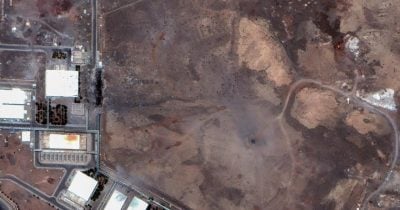
📰Iran has denied International Atomic Energy Agency (IAEA) inspectors access to its nuclear sites, escalating tensions in ongoing nuclear deal negotiations with the United States. This refusal threatens to derail diplomatic efforts and increases geopolitical instability risks with potential ripple effects across global markets, including cryptocurrency and energy sectors.
GeneralBullishCrypto Briefing · Jun 247/10
📰The US current account deficit expanded to $227 billion in Q1, surpassing economist forecasts and signaling economic imbalances. The widening deficit could pressure the dollar's value, potentially increasing demand for Bitcoin and stablecoins as investors seek alternative stores of value and hedges against currency weakness.
$BTC
AI × CryptoBullishcrypto.news · Jun 247/10
🤖AI trading bots have achieved mainstream adoption in 2026, transitioning from experimental tools to essential infrastructure for automated cryptocurrency trading. The article examines 10 leading platforms, highlighting how these bots now democratize algorithmic trading strategies for retail and institutional users through accessible pricing models and enhanced features.
AINeutralCrypto Briefing · Jun 247/10
🧠OpenAI is testing Jalapeño, its first proprietary AI chip, for handling customer queries, marking a significant step toward reducing reliance on third-party hardware providers. While the development could reshape AI infrastructure economics, the company faces substantial risks including production delays and capital constraints that could impede scaling.
🏢 OpenAI
GeneralBullishCrypto Briefing · Jun 247/10
📰The Strait of Hormuz has reopened and oil markets have shifted into contango, a structure where future prices exceed spot prices. This development signals reduced immediate supply concerns and may lower energy costs globally, potentially easing inflation pressures but complicating OPEC+ production strategy decisions.
AINeutralCrypto Briefing · Jun 247/10
🧠ByteDance is pursuing a $20 billion offshore loan to finance its artificial intelligence and data center infrastructure expansion. This move reflects the escalating capital requirements driving the global AI race and intensifying competition among major tech firms for computational resources.
AIBullishBlockonomi · Jun 247/10
🧠FuelCell Energy announced a partnership with Fit Energy USA to supply up to 380 MW of clean power for AI data centers, driving a 16% stock price increase. This deal reflects growing demand for reliable, sustainable energy solutions to power the computationally intensive infrastructure supporting artificial intelligence applications.
AIBullishCrypto Briefing · Jun 247/10
🧠SK Hynix is pursuing a $29 billion US listing as memory chip demand surges, driven by AI infrastructure expansion. This move could significantly reshape global semiconductor supply chains and intensify competition in AI-critical chip markets.
AIBullishCrypto Briefing · Jun 247/10
🧠OpenAI and Broadcom have partnered to develop a custom LLM-optimized intelligence processor with 10-gigawatt capacity, marking a significant move toward vertical integration in AI infrastructure. This partnership aims to reduce computational costs and improve efficiency, potentially disrupting the competitive dynamics of the AI chip market and influencing the broader semiconductor industry.
🏢 OpenAI
GeneralBearishCrypto Briefing · Jun 247/10
📰Japan is considering a naval deployment to clear mines from the Strait of Hormuz, a critical chokepoint for global energy supplies. This geopolitical development raises concerns about oil price volatility and broader market stability, with cryptocurrency markets monitoring the situation due to historical correlations between energy security crises and alternative asset valuations.
GeneralBearishFortune Crypto · Jun 24🔥 8/10
📰Billionaire hedge fund manager Ray Dalio returned from a 10-day China trip warning that global leaders recognize America lacks the capability to maintain its geopolitical dominance, citing a fundamental shift in world order toward an emerging 'tribute' system in the East.
AIBullishFortune Crypto · Jun 247/10
🧠Taktile, an automation platform for financial decision-making, has secured $110 million in Series C funding led by Goldman Sachs and Tiger Global, with participation from Index Ventures and Y Combinator. The funding reflects growing institutional interest in AI-driven solutions for automating complex financial workflows and decision processes.
GeneralNeutralCrypto Briefing · Jun 247/10
📰Israel and Lebanon are discussing a US-backed pilot scheme for territory handover during Washington talks, with potential to reshape regional geopolitics. The initiative tests Lebanon's military capacity and could significantly influence US-Iran relations in the Middle East.