Models, papers, tools. 61,499 articles with AI-powered sentiment analysis and key takeaways.
AIBearishCrypto Briefing · Jun 247/10
🧠Nvidia's advanced AI chips, particularly B200 racks, are commanding 50% price premiums on China's black market, revealing significant demand circumventing U.S. export controls. This development exposes the limitations of current semiconductor restrictions and highlights the global competition for cutting-edge AI infrastructure.
🏢 Nvidia
AINeutralLil'Log (Lilian Weng) · Jun 247/10
🧠Scaling laws represent a foundational empirical principle in deep learning, demonstrating that training loss decreases predictably as model size, dataset size, and compute resources increase following a power-law relationship. This framework is essential for optimizing the allocation of computational resources between model parameters and training data.
GeneralBullishCrypto Briefing · Jun 237/10
📰Trump announces a peace agreement with Iran aimed at resolving tensions in the Strait of Hormuz, a critical global oil transit route. The deal could stabilize energy markets but faces uncertainty around nuclear negotiations and verification mechanisms.
GeneralBearishCrypto Briefing · Jun 237/10
📰China has restricted exports of key minerals to Japan, creating economic pressure on Japanese leadership. This geopolitical trade action underscores Japan's supply chain vulnerability and highlights the critical need for diversified sourcing strategies and stronger international partnerships to reduce dependency on single suppliers.
AIBullishCrypto Briefing · Jun 237/10
🧠Google announced a $75 million investment in A24, the prominent entertainment company, to establish an AI research partnership focused on film production. The collaboration aims to integrate AI technologies into creative workflows while establishing frameworks that protect intellectual property rights and respect creative data.
GeneralBearishCrypto Briefing · Jun 237/10
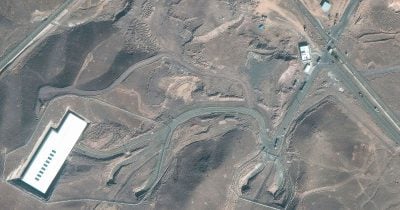
📰Iran has rejected nuclear inspections by the United States amid escalating regional tensions, potentially derailing diplomatic negotiations on uranium enrichment agreements. This stance threatens to intensify geopolitical conflict and complicate efforts to resolve long-standing nuclear disputes.
GeneralNeutralCrypto Briefing · Jun 237/10
📰The UAE has increased oil exports to pre-war levels amid escalating Middle East tensions, potentially reshaping global energy markets and influencing oil price trajectories. This development carries significant implications for geopolitical strategy and energy market dynamics during a period of regional instability.
GeneralBearishCrypto Briefing · Jun 23🔥 8/10
📰Allianz SE has warned that the Iran conflict is creating unprecedented disruption in global shipping insurance, with premiums surging over 1,000%. The insurance industry faces substantial claims exposure that threatens economic stability, particularly for firms in Asia, potentially triggering widespread insolvency.
AIBearishCrypto Briefing · Jun 237/10
🧠Major tech companies Amazon and Google face market scrutiny over massive artificial intelligence capital expenditures as a broader tech sector selloff gains momentum. Analysts warn that heavy AI spending could lead to overcapacity, strained cash flows, and reduced stock stability across the technology industry.
AINeutralCrypto Briefing · Jun 237/10
🧠Meta has agreed to submit its frontier AI models for government review as part of the US government's effort to maintain leadership in AI development. This compliance move may establish a precedent for increased regulatory oversight of large AI systems, affecting how tech companies balance innovation with government scrutiny.
AIBullishCrypto Briefing · Jun 237/10
🧠Nvidia has developed advanced liquid cooling technology for its Rubin AI servers that reduces water consumption to near zero, significantly improving data center efficiency. This innovation addresses a critical environmental concern in the AI infrastructure space while potentially offering competitive advantages for operators managing large-scale compute clusters.
🏢 Nvidia
GeneralBearishCrypto Briefing · Jun 237/10
📰The Nasdaq composite declined 2% as technology stocks experienced a significant selloff driven by valuation concerns and rising rate expectations. The broader market weakness reflects investor anxiety about how higher interest rates will compress future corporate earnings, pressuring sentiment across the tech sector.
AI × CryptoBullishCrypto Briefing · Jun 237/10
🤖Meta has appointed Kunal Shah, founder of fintech platform CRED, as the new leader of WhatsApp following an unconventional cold email recruitment approach. The move positions WhatsApp to develop fintech and AI-driven commerce capabilities, potentially unlocking significant revenue opportunities for Meta while expanding its influence in the digital payments ecosystem.
AI × CryptoBearishCrypto Briefing · Jun 237/10
🤖Major equity indices experienced significant declines as concerns about an AI bubble burst, with NASDAQ 100 falling 3% and South Korea's KOSPI plunging 10%. The selloff signals potential liquidity tightening that could cascade into tech and cryptocurrency sectors, drawing parallels to the dot-com era collapse.
AIBearishCrypto Briefing · Jun 237/10
🧠The Trump administration is pressuring Meta to submit its AI models for government safety reviews, a move that could accelerate the shift toward closed-source AI development. This regulatory intervention may reshape competitive dynamics in the AI sector and influence how companies balance innovation with government compliance.
GeneralBullishCrypto Briefing · Jun 237/10
📰Cboe Global Markets has launched Mini S&P 500 prediction market contracts, marking a major traditional finance player's entry into the prediction markets sector. This move could legitimize prediction markets among institutional and retail investors while intensifying competition with existing platforms.
AINeutralCrypto Briefing · Jun 237/10
🧠Legion has filed a lawsuit against the U.S. government challenging export control restrictions that limit access to Anthropic's AI models outside American borders. The case highlights the growing conflict between national security imperatives and the global innovation ecosystem, with potential implications for how AI technology is regulated and distributed internationally.
🏢 Anthropic
AIBearishCrypto Briefing · Jun 237/10
🧠US semiconductor stocks declined following a significant selloff in Asian AI-related equities, triggering concerns about an overvalued AI bubble and exposing structural vulnerabilities in markets heavily dependent on artificial intelligence momentum. The market reaction suggests potential contagion risks across technology sectors as investors reassess valuations.
$XRP
AI × CryptoBullishCrypto Briefing · Jun 237/10
🤖0x Protocol has launched Swap API access for AI agents at $0.01 per request in USDC, enabling autonomous systems to execute decentralized trades directly. This move represents a significant step in integrating AI agents into DeFi infrastructure, potentially expanding the scope of algorithmic trading and autonomous financial decision-making on blockchain networks.
GeneralBearishCrypto Briefing · Jun 237/10
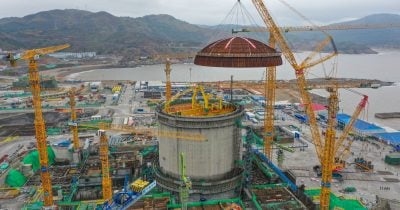
📰China is accelerating its nuclear energy expansion to power its technology sector, while the US faces significant delays and cost overruns in nuclear projects. This energy infrastructure gap could reshape the global competitive landscape in energy-intensive industries like cryptocurrency and AI.
AI × CryptoNeutralDecrypt · Jun 237/10
🤖President Trump's quantum computing executive orders have received industry support, but cryptocurrency and security experts caution that Bitcoin and existing blockchain infrastructure lack adequate post-quantum cryptographic defenses despite accelerated timelines for implementation.
$BTC
GeneralBearishCrypto Briefing · Jun 23🔥 8/10
📰The UN's International Maritime Organization coordinated the evacuation of 11,000 seafarers from the Persian Gulf through the Strait of Hormuz, underscoring how geopolitical instability threatens global maritime trade routes critical to energy markets and shipping insurance. This large-scale emergency operation highlights systemic vulnerabilities in international commerce that extend beyond shipping to impact cryptocurrency and financial markets.
GeneralBullishFortune Crypto · Jun 237/10
📰Global leaders are moving away from viewing growth, security, and sustainability as competing priorities toward an integrated framework where all three reinforce each other. This paradigm shift reflects recognition that the traditional trade-off model is outdated and that strategic autonomy, economic expansion, and environmental responsibility must be pursued simultaneously.
AI × CryptoBullishCrypto Briefing · Jun 237/10
🤖Circle has published a USDC specification for its Machine Payments Protocol (MPP), a technical framework designed to enable autonomous transactions between AI systems and smart contracts. The protocol aims to streamline machine-to-machine payments, potentially improving operational efficiency in decentralized applications and reshaping how digital payments function in AI-driven ecosystems.
AIBullishCrypto Briefing · Jun 237/10
🧠Blackstone is committing $30 billion to develop AI data centers in Japan, reflecting the intensifying global competition for AI infrastructure investment. This move highlights how major financial institutions are pivoting capital toward compute and data center assets as foundational AI infrastructure becomes a critical bottleneck.