Models, papers, tools. 61,547 articles with AI-powered sentiment analysis and key takeaways.
AIBullishMIT Technology Review · Jun 237/10
🧠Researchers have developed a method using ultrasound imaging to help robotic hands achieve human-like dexterity by capturing detailed information about muscle and tendon movements beneath the skin. This breakthrough addresses a major limitation in robotics—the inability to replicate the complex coordination of 34 muscles, 27 joints, and over 100 tendons and ligaments that enable precise human hand movements.
AIBullishCrypto Briefing · Jun 237/10
🧠OpenAI has released over 30 new models and tools through its API in the past six months, accelerating the pace of AI innovation and lowering barriers to entry for developers. This aggressive release cadence intensifies competition in the AI market by making advanced AI capabilities more accessible and cost-effective, forcing rivals to accelerate their own development timelines.
🏢 OpenAI
AIBearishCrypto Briefing · Jun 237/10
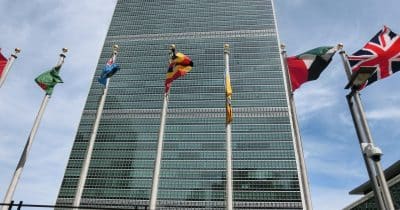
🧠The UN has warned that the rapid expansion of artificial intelligence infrastructure could create severe strain on global water, power, and waste management systems. The report highlights how AI's resource-intensive operations may exacerbate existing inequalities between developed and developing nations, underscoring the need for sustainable practices and greater transparency in the industry.
AI × CryptoBullishThe Block · Jun 237/10
🤖The Trump administration's direction of government resources toward quantum security development could inadvertently strengthen bitcoin's infrastructure against future quantum computing threats. Millions of bitcoins with exposed public addresses currently face theoretical vulnerability to quantum attacks, making government-funded quantum-resistant initiatives potentially beneficial for cryptocurrency security.
$BTC
AI × CryptoNeutralCrypto Briefing · Jun 237/10
🤖Visa presented findings from Project Glasswing at VB Transform 2026, highlighting critical security vulnerabilities associated with AI systems. The research underscores AI's dual nature as both a defensive tool and a potential threat, driving urgent need for enhanced cybersecurity infrastructure and strategies.
GeneralBearishCrypto Briefing · Jun 237/10
📰Federal Reserve rate hike odds for December have increased following stronger-than-expected payroll data, signaling potential monetary tightening. Rising rate hike probabilities could elevate borrowing costs and reshape investment strategies across traditional and digital asset markets.
AIBullishFortune Crypto · Jun 237/10
🧠Following executive orders signed by Trump supporting quantum computing development, stocks in the sector surged double digits despite a broader tech market decline of over 2% on the Nasdaq. The policy backing highlights growing government interest in quantum technology as a strategic priority.
GeneralNeutralCrypto Briefing · Jun 237/10
📰US Commerce Secretary Lutnick has signaled potential government action to counter Chinese dominance in robotics technology. Such measures could reshape global tech markets, accelerate domestic innovation, and have significant geopolitical implications for US-China relations.
AIBearishCrypto Briefing · Jun 237/10
🧠Tesla defended its Full Self-Driving system following a fatal crash in Texas, attributing the incident to driver override rather than system failure. The incident underscores the regulatory and liability challenges facing autonomous vehicle developers as safety concerns clash with technological advancement.
GeneralNeutralCrypto Briefing · Jun 237/10
📰The US Senate voted to end military action in Iran, reasserting congressional authority over military decisions and signaling a shift in US foreign policy oversight. This move reflects broader tensions between executive and legislative branches regarding military engagement decisions.
AI × CryptoBullishCrypto Briefing · Jun 237/10
🤖Together AI's token volume has surged to 400 trillion, reflecting accelerating demand for cost-efficient AI alternatives to proprietary models. This milestone signals a significant market shift toward decentralized and cheaper AI infrastructure solutions.
GeneralNeutralCrypto Briefing · Jun 237/10
📰Alibaba has filed a legal challenge against the US government's designation of the company as having military links, a move that could set precedent for other firms to contest similar designations and potentially weaken US export control mechanisms targeting Chinese technology companies.
GeneralBearishCrypto Briefing · Jun 237/10
📰Trump claims Iran will comply with IAEA nuclear inspections while Tehran denies making new commitments, creating conflicting narratives that intensify geopolitical uncertainty. This diplomatic discord directly impacts global markets, including cryptocurrency and risk asset volatility, as investors reassess exposure to geopolitical risk.
GeneralBearishCrypto Briefing · Jun 237/10
📰Alibaba has filed a lawsuit against the Pentagon challenging its inclusion on a Chinese military blacklist, escalating US-China tensions in the tech sector. The dispute highlights growing friction between Washington and Beijing over corporate designations and could affect global technology investments and bilateral relations.
AIBearishCrypto Briefing · Jun 237/10
🧠OpenAI's financial disclosures reveal complex relationships between the company, its investors, and suppliers that raise questions about operational independence and potential conflicts of interest. These ties may trigger regulatory scrutiny and could impact investor confidence in the company's governance structure.
🏢 OpenAI
AIBullishCrypto Briefing · Jun 237/10
🧠Nvidia controls 81% of the TOP500 supercomputers list, demonstrating its technological dominance in high-performance computing infrastructure. This market concentration reflects Nvidia's competitive advantages in GPU acceleration and energy efficiency, positioning the company as critical infrastructure for AI development and computational workloads globally.
🏢 Nvidia
GeneralNeutralFortune Crypto · Jun 237/10
📰Alan Greenspan, the legendary Federal Reserve chairman known for using monetary policy to manage economic crises, has died. His successor appears poised to employ similar interventionist strategies to address AI-related economic disruptions, raising concerns among observers about whether this approach will produce different outcomes than Greenspan's previous attempts.
AIBearishFortune Crypto · Jun 237/10
🧠Google DeepMind is experiencing significant talent departures and declining performance in AI model competitions, raising concerns about Alphabet's ability to maintain its competitive position in the rapidly advancing AI landscape. The company's slower release cadence and slipping leaderboard rankings suggest potential challenges in sustaining its AI dominance amid fierce competition from rivals.
🏢 Google
GeneralBearishCrypto Briefing · Jun 23🔥 8/10
📰Ukraine has implemented a blockade that has halted fuel sales in Russian-occupied Crimea, intensifying the peninsula's economic isolation. The action underscores the strategic vulnerabilities of occupied territories and demonstrates the effectiveness of economic pressure as a geopolitical tool.
GeneralBearishCrypto Briefing · Jun 237/10
📰Trump has issued an ultimatum to Iran regarding International Atomic Energy Agency (IAEA) inspections, threatening to cancel diplomatic meetings if Iran refuses inspection access. This escalation could destabilize global diplomacy and create market volatility, particularly in energy and geopolitical risk assets.
AIBullishBlockonomi · Jun 237/10
🧠Quantinuum stock surged 15% following Trump's executive orders promoting quantum computing development and cybersecurity standards. The policy initiative signals increased government support for quantum technology, benefiting companies like Quantinuum that operate in this emerging sector.
AI × CryptoBullishBankless · Jun 237/10
🤖Allium, a blockchain data analytics platform, secured $40M in Series B funding led by Amplify Partners, positioning clean onchain data as essential infrastructure for institutional adoption and AI-driven payment systems. The round reflects growing consolidation in the crypto data sector as demand for institutional-grade analytics and agentic AI applications accelerates.
GeneralBearishFortune Crypto · Jun 237/10
📰The U.S. has reduced cancer deaths by 34% since 1991, but this progress is heavily concentrated in wealthy counties while 458 rural counties have actually experienced rising cancer mortality. The disparity reveals that the richest counties improved cancer outcomes at 7 times the rate of the poorest, highlighting deepening healthcare inequality.
AIBullishCrypto Briefing · Jun 237/10
🧠The Pentagon is requesting Congress reduce regulatory restrictions on AI data centers and computing infrastructure at military bases to accelerate innovation in defense technology. This push reflects growing competition with adversaries in AI capabilities and signals potential opportunities for tech partnerships between private companies and the Department of Defense.
GeneralBullishCoinDesk · Jun 237/10
📰Meta is developing a prediction market application called 'Arena' that enables users to forecast future events using a points-based system rather than real money wagers. The move positions Meta to capitalize on the growing prediction market sector, which has gained significant traction in the crypto and financial communities.