Models, papers, tools. 61,604 articles with AI-powered sentiment analysis and key takeaways.
GeneralBearishCrypto Briefing · Jun 23🔥 8/10
📰The Israeli Defense Force killed Hezbollah operatives in southern Lebanon, escalating tensions amid a fragile ceasefire agreement. The incident undermines diplomatic efforts toward lasting peace and signals market concerns about regional instability that could disrupt global commodity markets and risk assets.
GeneralBearishCrypto Briefing · Jun 23🔥 8/10
📰China's Fujian aircraft carrier conducted a transit through the Taiwan Strait while Taiwan simultaneously ran military war drills, escalating geopolitical tensions in one of the world's most strategically critical regions. The incident underscores intensifying military posturing and strategic volatility that could have broader implications for global stability and markets sensitive to geopolitical risk.
AIBearishFortune Crypto · Jun 237/10
🧠AI data centers are driving unprecedented electricity demand, prompting utilities like NextEra Energy to invest billions in infrastructure expansion while targeting 10% profit margins on these buildouts. This infrastructure boom could raise electricity costs for consumers and reshape utility economics as tech companies' power needs reshape the energy sector.
AIBullishCrypto Briefing · Jun 237/10
🧠Immunologist Derya Unutmaz leveraged GPT-5 Pro to resolve a T cell research question that eluded his laboratory for two years, demonstrating AI's potential to accelerate biomedical discovery. This breakthrough illustrates how advanced language models can dramatically compress research timelines and reshape therapeutic development economics in the biotechnology sector.
🧠 GPT-5
AIBullishCrypto Briefing · Jun 237/10
🧠Anthropic has launched Claude Tag, a persistent AI integration for Slack that enables Claude to function as an embedded team member within workspace conversations. This development reflects the broader industry shift toward embedding AI agents directly into enterprise collaboration platforms, potentially reshaping how teams coordinate and leverage AI assistance in real-time workflows.
🏢 Anthropic🧠 Claude
GeneralNeutralCrypto Briefing · Jun 237/10
📰A US-Iran peace deal has reopened the Strait of Hormuz, enabling the UN to evacuate 11,000 stranded seafarers and normalizing traffic through one of the world's most critical energy chokepoints. The agreement eases geopolitical tensions that have disrupted global shipping and energy markets, with implications for cryptocurrency volatility tied to macro instability and regulatory frameworks in conflict-affected regions.
GeneralBearishFortune Crypto · Jun 237/10
📰Prediction markets face increasing regulatory scrutiny across the US, with Minnesota banning platforms outright, Massachusetts suing Kalshi, and nearly 70% of Americans supporting a ban on government officials' participation. This regulatory pushback threatens the growth of election prediction markets as a political tool.
GeneralBearishCrypto Briefing · Jun 23🔥 8/10
📰Israeli-Palestinian ceasefire negotiations have stalled amid diplomatic tensions, with an Israeli ambassador characterizing talks as a 'train wreck.' The breakdown signals deteriorating prospects for regional peace and underscores broader geopolitical instability that typically correlates with market volatility and safe-haven asset demand.
AI × CryptoBullishCrypto Briefing · Jun 237/10
🤖TSMC reported 30% revenue growth driven by surging demand for AI chips, reflecting the accelerating infrastructure buildout for artificial intelligence. This expansion has significant implications for semiconductor supply chains and emerging decentralized compute markets that depend on chip availability and pricing.
GeneralBearishFortune Crypto · Jun 237/10
📰Europe's largest economies face over $600 billion in heat-driven losses by 2030 due to climate impacts, with vulnerable populations and aging infrastructure amplifying economic damage. A deadly June heatwave demonstrates the immediate human and financial toll of rising temperatures across the continent.
AIBullishCrypto Briefing · Jun 237/10
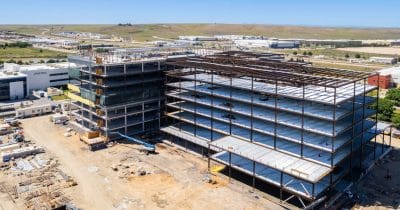
🧠Micron Technology is advancing its semiconductor fabrication plant in New York, a strategic move to expand US domestic AI memory production capacity. This development strengthens American semiconductor self-reliance and could reshape global AI chip supply chains while creating significant employment opportunities in the region.
AIBullishCrypto Briefing · Jun 237/10
🧠Anthropic has expanded Claude's integration within Slack, positioning the AI assistant as a workplace coworker to enhance team collaboration. This deeper integration aims to improve productivity and unlock new revenue opportunities for Anthropic through enterprise adoption.
🏢 Anthropic🧠 Claude
AIBullishFortune Crypto · Jun 237/10
🧠Anthropic has launched Claude Tag, a Slack integration that functions as a virtual employee within team communication workflows. The move reflects Anthropic's strategic pivot toward enterprise adoption ahead of an anticipated IPO this year.
🏢 Anthropic🧠 Claude
AIBearishThe Verge – AI · Jun 237/10
🧠Corporate-backed AI super PACs invested $27 million in a local election, signaling how artificial intelligence companies are leveraging political spending to influence regulatory outcomes at local and state levels. This spending pattern reveals a strategic shift where tech giants use super PACs to shape election outcomes that could affect AI regulation and governance.
AIBullishTechCrunch – AI · Jun 237/10
🧠Anthropic has launched Claude Tag, a Slack integration that embeds AI directly into team workflows. The feature represents a strategic move beyond productivity automation—it allows Claude to continuously learn organizational context, institutional knowledge, and enterprise processes to deepen its value as an embedded AI teammate.
🏢 Anthropic🧠 Claude
AIBullishOpenAI News · Jun 237/10
🧠GPT-5 Pro assisted immunologist Derya Unutmaz in resolving a three-year research challenge related to T cell behavior, potentially accelerating advances in cancer and autoimmune disease treatment. This breakthrough demonstrates AI's expanding role in scientific discovery and validates large language models as tools for complex biological problem-solving.
🧠 GPT-5
GeneralNeutralCrypto Briefing · Jun 237/10
📰China has emerged as a major purchaser of Iranian oil following a US sanctions waiver, signaling significant geopolitical realignment. This development reshapes global energy markets and could influence cryptocurrency valuations tied to energy commodities and US-China relations.
GeneralBullishCrypto Briefing · Jun 237/10
📰SpaceX's debut US bond sale attracted $89 billion in investor demand, signaling strong market confidence in the company's expansion strategy. The massive oversubscription demonstrates investor appetite for growth-oriented aerospace ventures and reflects SpaceX's prominence as a key player in space infrastructure development.
AI × CryptoBearishCrypto Briefing · Jun 23🔥 8/10
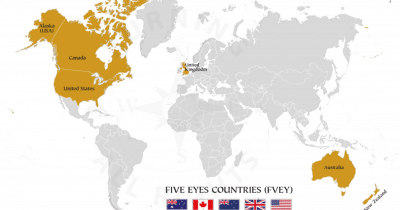
🤖The Five Eyes intelligence alliance has issued a warning that artificial intelligence could enable significantly more severe cyberattacks within months, driven by AI's ability to increase attack sophistication and lower barriers to entry for malicious actors. The alert underscores the urgent need for comprehensive cybersecurity infrastructure upgrades across government and private sectors.
AI × CryptoBullishCrypto Briefing · Jun 237/10
🤖Nvidia has released an Agent Toolkit that enables enterprises to develop domain-specific AI agents tailored to their industries. The toolkit represents Nvidia's strategic expansion in the AI ecosystem, positioning the company as a critical infrastructure provider beyond GPUs.
🏢 Nvidia
AIBullishCrypto Briefing · Jun 237/10
🧠Samsung, SK Hynix, and Micron have collectively reached a $4.1 trillion market capitalization, reflecting AI's dramatic impact on the semiconductor and memory chip sectors. This valuation milestone underscores both the explosive demand for memory infrastructure supporting AI systems and emerging vulnerabilities in global chip supply chains.
GeneralBearishCrypto Briefing · Jun 237/10
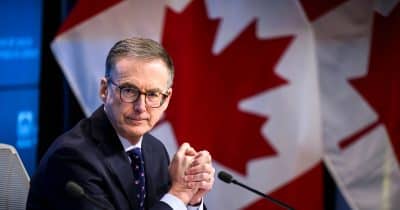
📰Bank of Canada Governor Tiff Macklem has cautioned that rising global economic imbalances and opaque capital flows pose significant risks to financial stability worldwide. These structural issues could trigger increased market volatility and create systemic vulnerabilities in the financial system.
AI × CryptoBearishDecrypt – AI · Jun 237/10
🤖Bitcoin has declined to a two-week low near $62,000 as investors react to hawkish Federal Reserve signals, triggering broader risk-off sentiment that pressures both technology stocks and cryptocurrencies. This sell-off reflects growing concerns about monetary tightening and its impact on high-growth assets.
$BTC
GeneralBullishCrypto Briefing · Jun 237/10
📰The International Maritime Organization announced plans to evacuate 11,000 seafarers following a US-Iran interim peace deal. The evacuation aims to stabilize global shipping routes, with potential ripple effects on oil prices and international trade dynamics that could influence commodity markets and economic sentiment.
AIBullishBlockonomi · Jun 237/10
🧠Microsoft opened its Wisconsin AI data center ahead of schedule and announced a $4.7 billion investment coupled with a 20-year power agreement with Chevron. This partnership addresses a critical bottleneck in AI infrastructure expansion—reliable energy supply—while signaling Microsoft's confidence in sustained AI demand and computing requirements.