
From 15 hours to one minute: How AI/ML is speeding up GM's development
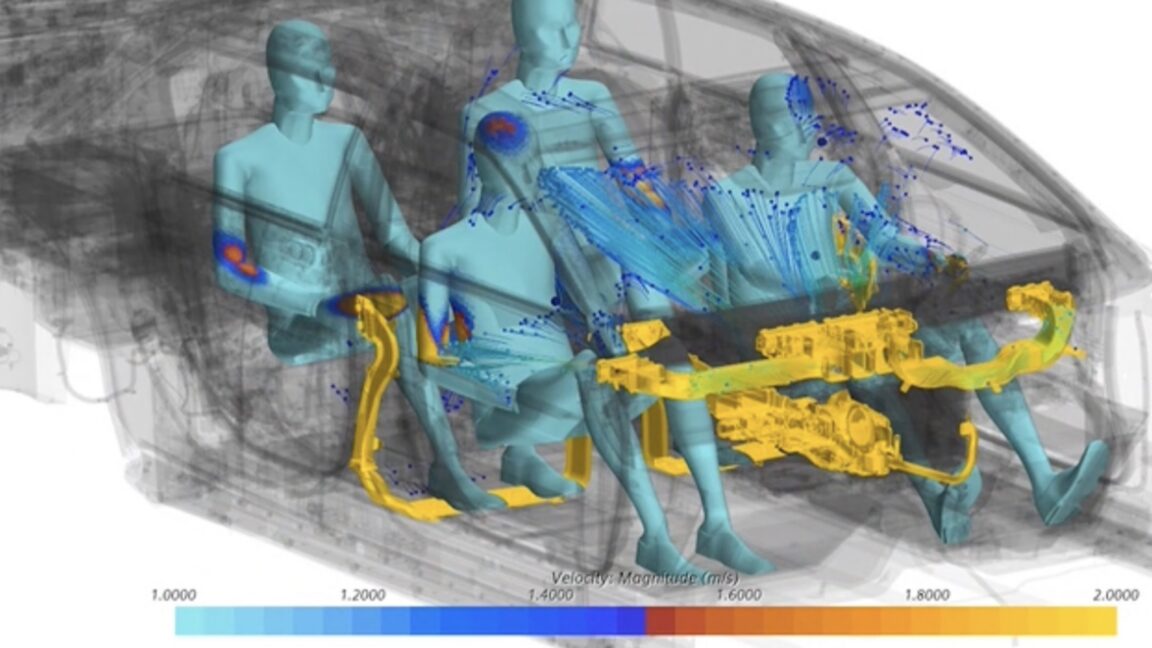
General Motors is leveraging AI and machine learning to dramatically accelerate vehicle development cycles, reducing computational simulation time from 15 hours to one minute through advanced virtualization techniques including CFD, FEA, and digital twins. This technological shift demonstrates how AI adoption in traditional manufacturing can create substantial efficiency gains and competitive advantages in automotive design and production.
General Motors' achievement of reducing development simulation time by over 99% represents a significant operational transformation driven by AI and machine learning integration. By automating computational fluid dynamics (CFD) and finite element analysis (FEA) through digital twin technology, GM has addressed a critical bottleneck in vehicle design cycles. What previously consumed an entire workday now completes in minutes, enabling engineers to test more design iterations rapidly and make data-driven decisions faster.
This advancement reflects a broader industry trend toward computational virtualization in manufacturing. As electric vehicles and autonomous driving systems become more complex, traditional prototyping methods struggle to keep pace with innovation demands. Digital twins—virtual replicas of physical systems—allow manufacturers to simulate real-world performance before building expensive prototypes, reducing material waste and development costs substantially.
The market implications extend beyond GM's competitive positioning. Suppliers, engineering software providers, and AI platforms that enable simulation acceleration gain strategic value as automakers race to compress development timelines. This efficiency advantage directly impacts time-to-market for new models, cost structures, and ultimately profitability in an increasingly capital-intensive industry facing EV transition pressures.
Looking ahead, the automotive sector will likely see accelerated adoption of AI-driven simulation across the supply chain. Success at scale depends on data quality, computational infrastructure, and talent retention as companies integrate these systems into existing workflows. Companies demonstrating superior digital transformation capabilities will capture disproportionate market share in coming model cycles.
- →AI/ML reduces GM's vehicle development simulation time from 15 hours to 1 minute, enabling faster iteration cycles
- →Digital twin technology and virtualized CFD/FEA analysis minimize physical prototyping costs and material waste
- →Rapid simulation capabilities provide competitive advantage in compressed EV and autonomous vehicle development timelines
- →Automotive supply chain and simulation software vendors benefit from increased demand for AI-enabled development tools
- →Industry-wide adoption of computational virtualization will accelerate as manufacturers compete on development speed