
Bank of Korea leaves policy rate unchanged at 2.5% as inflation creeps above target
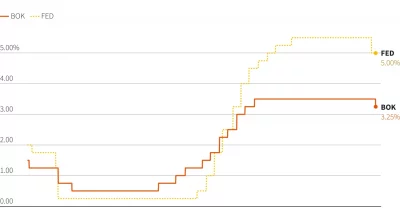
South Korea's central bank maintained its policy rate at 2.5% despite inflation rising above its target level, a decision that may provide short-term stability for the won but could trigger future rate hikes that would redirect capital away from cryptocurrencies toward traditional savings instruments.
The Bank of Korea's decision to hold rates steady at 2.5% reflects a measured approach to monetary policy amid mixed economic signals. With inflation creeping above the central bank's target, policymakers face pressure to consider tightening, yet the unchanged decision suggests they are weighing competing concerns about economic growth and financial stability. This pause provides temporary relief for markets but signals that rate increases remain on the policy horizon.
The South Korean central bank has been navigating inflation pressures for months while monitoring the broader economic outlook. The decision to hold rates constant balances the need to control price pressures against concerns about stifling economic activity. This cautious stance reflects uncertainty in the global economic environment and domestic consumption trends.
For cryptocurrency markets and digital asset investors, the implications are significant. A stable rate environment temporarily supports risk assets, including crypto, which typically perform better in accommodative monetary conditions. However, the acknowledgment of above-target inflation creates expectations for future rate hikes. When central banks raise rates, capital flows often reverse from higher-risk assets like cryptocurrencies toward safer, yield-bearing traditional investments such as bonds and savings accounts.
Market participants should monitor the Bank of Korea's forward guidance closely. If inflation remains elevated or accelerates further, the next policy meeting could bring rate increases that would pressure cryptocurrency valuations and reduce speculative inflows into digital assets. South Korea's significant crypto trading volume means shifts in monetary policy there have outsized effects on global crypto market sentiment and capital allocation decisions.
- →Bank of Korea held rates at 2.5% despite inflation exceeding its target, signaling a cautious but unchanged stance.
- →Future rate hikes remain likely if inflation persists, which could redirect capital from crypto to traditional savings vehicles.
- →The unchanged rate provides short-term stability for the won and digital asset markets but creates uncertainty ahead.
- →South Korea's influential crypto market means shifts in its central bank policy affect global digital asset valuations.
- →Investors should watch forthcoming inflation data and central bank communications for signals of future rate changes.