
Bittensor’s SN68 subnet accelerates drug R&D at Metanova Labs
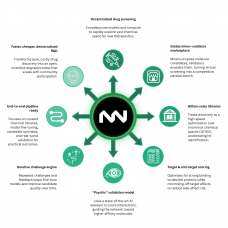
Bittensor's SN68 subnet is being leveraged by Metanova Labs to accelerate pharmaceutical research and development through decentralized AI infrastructure. While this application demonstrates potential to democratize drug discovery and reduce costs, significant validation challenges remain before decentralized approaches can meaningfully compete with traditional pharma workflows.
Bittensor's SN68 subnet represents a tangible use case for decentralized artificial intelligence beyond speculative applications, with Metanova Labs deploying the infrastructure to optimize drug discovery processes. This intersection of blockchain-based computing and pharmaceutical research signals growing institutional recognition that distributed AI networks can address real-world problems in regulated industries. The appeal is clear: decentralized approaches could theoretically reduce the astronomical costs associated with traditional drug development, which routinely exceed $2 billion per compound, while accelerating discovery timelines through parallel computational processing across a distributed validator network.
The broader context reflects Bittensor's emergence as a practical infrastructure layer for AI workloads rather than a purely speculative asset. Since its inception, the subnet model has attracted various research and commercial applications, though most remain in early stages. This pharma application distinguishes itself through targeting a capital-intensive, high-stakes industry where even marginal improvements in efficiency or cost structure carry enormous financial implications.
For the cryptocurrency and AI markets, successful validation of decentralized AI in drug discovery could establish a compelling narrative around tokenized compute networks serving enterprise clients. However, regulatory hurdles present substantial friction—pharmaceutical development operates under strict FDA oversight, and integrating decentralized validators into validated workflows requires demonstrating reproducibility, security, and compliance standards that centralized systems have spent decades perfecting.
The critical question moving forward involves whether Metanova Labs achieves measurable, verifiable improvements that justify the complexity of decentralized validation. Success would validate Bittensor's investment thesis and potentially catalyze similar pharma-blockchain partnerships; failure would suggest the validation hurdles remain prohibitively expensive for regulatory-bound industries.
- →Bittensor's SN68 subnet enables Metanova Labs to apply decentralized AI infrastructure to pharmaceutical R&D, potentially reducing development costs and timelines.
- →Decentralized drug discovery could democratize access to computational resources but faces significant regulatory and validation challenges.
- →The application demonstrates a tangible enterprise use case for distributed AI networks beyond speculative cryptocurrency applications.
- →Success in pharma could establish a precedent for blockchain-based compute in other regulated, capital-intensive industries.
- →Regulatory compliance and reproducibility standards remain the primary barriers to mainstream adoption in drug development workflows.