
Bank of England monitors public-sector pay for inflation risks as wage gap widens
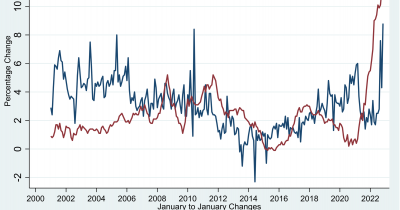
The Bank of England is monitoring public-sector wage growth as a potential inflation risk, amid widening wage gaps in the UK economy. This scrutiny could influence the BoE's monetary policy decisions and have downstream effects on bond markets and broader economic conditions.
The Bank of England's increased focus on public-sector compensation reflects concerns that wage-price spirals could undermine progress on inflation control. Public-sector wage pressures stem from recruitment challenges, retention issues, and political pressure to address cost-of-living concerns affecting government employees. The widening wage gap—where public-sector workers demand parity with private-sector counterparts—creates a feedback mechanism that could perpetuate inflationary expectations across the broader economy.
Historically, wage-driven inflation has proven difficult to control once expectations become unanchored. The BoE's monitoring suggests policymakers recognize this risk and view public-sector pay as a key transmission channel. Government spending on wages directly influences money supply and demand-side pressures, making it a legitimate monetary policy concern. The central bank's scrutiny signals that future rate decisions may depend partly on how aggressively governments manage public-sector compensation.
For financial markets, this analysis creates tangible implications. Bond yields may face upward pressure if the BoE signals a need for sustained higher rates to combat wage-driven inflation. Asset prices sensitive to interest rate expectations—including cryptocurrency markets that often move inversely to real rates—could experience volatility. Investors should monitor BoE communications and government wage settlements closely, as these data points will inform rate guidance and long-term inflation expectations that drive investment allocation decisions.
- →The BoE views public-sector wage growth as a material inflation risk requiring ongoing monitoring
- →Widening wage gaps between public and private sectors create potential for wage-price spiral dynamics
- →Monetary policy decisions may increasingly factor in government compensation trends and spending patterns
- →Bond markets face potential upward yield pressure if inflation expectations remain elevated
- →Cryptocurrency markets sensitive to real interest rates could experience volatility from BoE rate guidance