
European Central Bank hikes rates for first time since 2023 as Middle East conflict fuels inflation
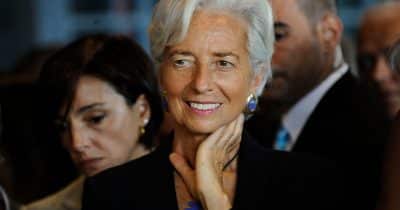
The European Central Bank has raised interest rates for the first time since 2023, driven by inflationary pressures exacerbated by Middle East geopolitical tensions. This policy shift signals tightening monetary conditions across the eurozone, which could slow economic growth while increasing borrowing costs for businesses and consumers.
The ECB's rate hike represents a significant recalibration of monetary policy after a period of relative stability. Central banks globally have grappled with persistent inflation, and external shocks—particularly geopolitical conflicts affecting energy markets—continue to complicate their policy calculus. The Middle East tensions referenced likely impact oil prices and supply chain stability, creating inflationary pressures that force the ECB's hand despite potential growth headwinds.
This decision occurs within a broader context of divergent monetary policies across major economies. While some central banks have paused hiking cycles, the ECB's move suggests eurozone inflation remains above target thresholds. The timing is critical as European economies already face structural challenges, including energy security concerns stemming from geopolitical instability.
For cryptocurrency and digital asset markets, ECB rate hikes typically create headwinds. Higher interest rates increase the opportunity cost of holding non-yielding assets like Bitcoin and Ethereum, as traditional fixed-income investments become more attractive. This often correlates with reduced risk appetite across markets. Additionally, higher borrowing costs pressure DeFi protocols and crypto-native financial institutions that rely on leverage and liquidity provision.
Investors should monitor whether the ECB signals further hikes ahead. If geopolitical tensions persist and inflation remains sticky, additional tightening could pressure crypto valuations further. Conversely, if the conflict resolves quickly and inflation moderates, the ECB might pause, potentially reversing some downward pressure on risk assets.
- →ECB raises rates for the first time since 2023, signaling tighter monetary conditions in the eurozone.
- →Middle East geopolitical tensions are fueling inflation concerns, forcing central bank action despite growth risks.
- →Higher interest rates typically reduce cryptocurrency valuations by increasing opportunity costs for non-yielding assets.
- →DeFi protocols and leveraged crypto strategies face headwinds from elevated borrowing costs.
- →Further ECB hikes could materialize if geopolitical tensions sustain inflationary pressure.