
US Federal Reserve sees faster inflation in latest gauge update
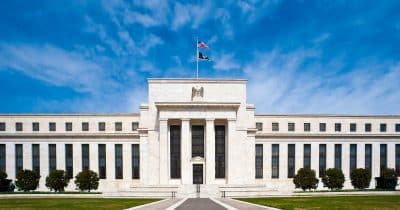
The US Federal Reserve's latest inflation gauge shows faster price growth than previously anticipated, suggesting persistent inflationary pressures may keep interest rates elevated for an extended period. This development threatens equity valuations and drives increased demand for inflation-hedging assets including cryptocurrencies.
The Federal Reserve's updated inflation readings signal a significant shift in monetary policy expectations. Higher-than-expected inflation metrics indicate that price pressures remain sticky despite previous rate-hiking cycles, forcing policymakers to maintain restrictive monetary conditions longer than markets had anticipated. This recalibration matters because it reshapes the timeline for potential rate cuts that traders had priced into assets across multiple markets.
Persistent inflation reflects ongoing structural challenges in the economy, from supply-chain disruptions to labor market tightness. The Fed's gauge updates provide crucial real-time feedback on whether inflation is genuinely cooling or merely appearing to moderate due to favorable comparisons. When inflation readings accelerate despite existing rate pressure, it suggests underlying demand remains robust or cost-push factors continue driving prices upward.
Equity valuations face headwinds from prolonged higher rates, as discount rates used to calculate present values increase, making future earnings less attractive at current prices. This environment simultaneously strengthens the case for inflation hedges, including commodities, real assets, and cryptocurrencies like Bitcoin, which proponents position as uncorrelated inflation protection. Investors increasingly allocate to assets perceived as supply-constrained and inflation-resistant.
Market participants should monitor whether the Fed responds with additional hawkish rhetoric or rate hold commitments. The trajectory of inflation data over coming months will determine whether this represents a temporary setback in disinflation or evidence of a more entrenched price-pressure regime. Asset allocation decisions hinge on these macro developments, particularly for portfolios seeking protection against prolonged real rate scenarios.
- →Federal Reserve inflation gauge shows faster-than-expected price growth, signaling persistent inflation pressures ahead
- →Prolonged higher interest rates threaten equity valuations by increasing discount rates on future earnings
- →Inflation-hedging demand rises for assets like cryptocurrencies positioned as uncorrelated protection mechanisms
- →Rate-cut timeline expectations shift later, impacting yield curves and asset allocation decisions across markets
- →Investors should monitor upcoming inflation data releases to assess whether disinflation trends are reversing