
US inflation, Fed no longer sees pressures as transitory
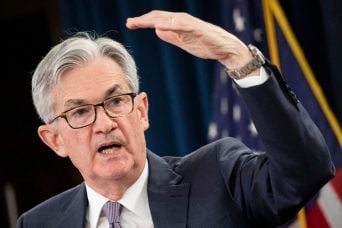
The Federal Reserve has shifted its stance on inflation, no longer characterizing price pressures as transitory. This policy change signals the Fed may delay interest rate cuts and could create headwinds for risk assets, including cryptocurrencies, amid ongoing geopolitical tensions.
The Fed's abandonment of the 'transitory inflation' narrative marks a critical inflection point in monetary policy. For months, Federal Reserve officials maintained that elevated inflation would naturally subside as supply chains normalized and pandemic-era fiscal stimulus faded. This messaging justified a patient approach to rate hikes. The persistence of inflationary pressures has forced a reassessment, indicating structural or demand-driven factors are sustaining price growth beyond initial expectations.
This shift emerged from a combination of factors: sticky services inflation, resilient labor markets, and geopolitical disruptions that continue to pressure energy and commodity prices. The broader macroeconomic environment, characterized by ongoing tensions affecting supply chains, reinforces the Fed's more hawkish posture. This represents a substantial departure from early 2021 rhetoric and reflects the central bank's evolving understanding of inflation dynamics.
For cryptocurrency and digital asset markets, Fed policy hawkishness typically exerts downward pressure on valuations. When the Fed maintains higher interest rates for longer, alternative investments like Bitcoin and altcoins become less attractive relative to risk-free yields. Additionally, delayed rate cuts mean less liquidity injection, which traditionally constrains speculative asset performance. Equity markets face similar headwinds, creating a challenging environment for growth-oriented investors.
Looking ahead, market participants should monitor Fed communications at upcoming policy meetings, inflation data releases, and any signals regarding the terminal rate level. The sustainability of inflation will determine whether the Fed maintains its restrictive stance through 2024. Geopolitical developments warrant close attention as well, given their capacity to either exacerbate or relieve supply-side pressures. Investors should prepare for a prolonged period of elevated rates impacting asset valuations across traditional and digital markets.
- →The Fed no longer views inflation as transitory, signaling a more hawkish stance and potential delays in rate cuts.
- →Persistent inflation stems from structural factors and geopolitical tensions, not temporary pandemic-related disruptions.
- →Higher rates maintained for longer reduce appeal of risk assets including cryptocurrencies relative to risk-free yields.
- →Investors should expect constrained liquidity and downward pressure on speculative digital assets in the near term.
- →Upcoming Fed communications and inflation data will be critical indicators for monetary policy direction and asset market performance.