
Williams: New tariffs unlikely to impact inflation significantly
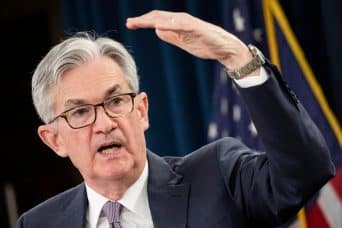
Federal Reserve official Williams indicates that new tariffs are unlikely to significantly impact inflation, suggesting monetary policy will remain stable and reducing the probability of major interest rate adjustments. This dovish stance reflects optimism about economic resilience despite trade policy changes.
Williams' comments on tariff impacts represent an important signal from Federal Reserve leadership regarding inflation expectations and monetary policy direction. The assertion that new tariffs pose minimal inflationary risk contradicts widespread concerns among economists who typically view trade barriers as cost-push factors that raise consumer prices. This statement matters because Fed communications directly influence market expectations for interest rates, which drive asset valuations across equities, bonds, and cryptocurrencies.
The context suggests growing confidence within Fed leadership that supply chain adaptations and economic flexibility can absorb tariff shocks without triggering broad-based inflation. This positioning reflects lessons from previous tariff episodes and accounts for structural changes in global trade patterns. Such reassurance aims to anchor inflation expectations, preventing the wage-price spiral that characterized recent inflationary periods.
For crypto markets and investors, stable rate expectations are constructive. The prospect of sustained higher-for-longer interest rates has weighed on risk assets throughout 2023-2024, as higher borrowing costs reduce the present value of future cash flows. If tariff-related inflation concerns ease, markets may price in a more favorable rate trajectory, potentially benefiting growth-oriented assets including cryptocurrencies that have historically underperformed during rate hike cycles.
Market participants should monitor upcoming Fed communications for consistency with Williams' messaging. Divergence between Fed officials on tariff impacts could create volatility, while consensus would reinforce expectations of policy stability. The coming months will test whether tariff implementation actually proves benign, with consumer price data providing the ultimate reality check on these optimistic projections.
- →Fed official Williams projects minimal inflationary impact from new tariffs, supporting stable monetary policy
- →Reduced inflation concerns lower probability of significant interest rate changes in near term
- →Stable rates environment generally favorable for cryptocurrencies and risk assets
- →Market will test Williams' tariff assessment against incoming economic data
- →Fed consensus on tariffs remains important for investment decision-making