
Huawei plans to narrow semiconductor gap with TSMC using novel chip architecture
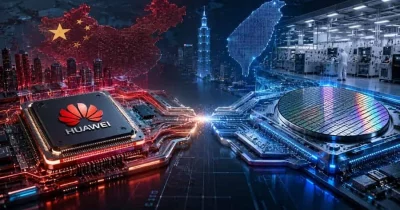
Huawei is developing a novel chip architecture strategy to reduce its semiconductor performance gap with TSMC amid US export restrictions. This approach could challenge existing global supply chain dynamics and reshape competitive positioning in the semiconductor industry.
Huawei's pursuit of alternative chip architecture represents a significant strategic pivot in response to sustained US sanctions targeting its semiconductor capabilities. The initiative signals the company's determination to achieve technological independence rather than rely on Western suppliers, particularly TSMC, which has historically dominated advanced chip manufacturing. This development emerges within a broader geopolitical context where semiconductor access has become a critical battleground between the US and China, with export controls serving as a primary enforcement mechanism.
The competitive landscape has fundamentally shifted as Chinese technology companies face constraints on procuring cutting-edge chips. By investing in novel architectures—potentially including approaches like chiplet designs, alternative manufacturing processes, or architectural innovations—Huawei aims to leapfrog incremental improvements and establish viable alternatives to TSMC's dominance. This mirrors broader Chinese government initiatives to build indigenous semiconductor ecosystems, including support for domestic fabs and design firms.
For the technology sector, Huawei's strategy could accelerate the fragmentation of global supply chains into regional blocs. Success would reduce China's dependence on external suppliers while potentially creating parallel semiconductor ecosystems. This impacts semiconductor investors by introducing competitive uncertainty and may shift capital flows toward companies addressing China's domestic chip needs. Technology companies worldwide face pressure to navigate increasingly complex supply chain restrictions and geopolitical considerations.
Industry observers should monitor whether Huawei's architectural innovations achieve performance milestones that would validate this approach. The success of this strategy depends on manufacturing capabilities, talent retention, and continued funding despite sanctions. Further US restrictions or Chinese counter-measures could accelerate semiconductor decoupling.
- →Huawei develops novel chip architecture to reduce TSMC performance gap amid US export controls
- →Strategy reflects broader Chinese push for semiconductor independence and supply chain resilience
- →Success could fragment global semiconductor markets into competing regional ecosystems
- →Technology companies must navigate increasingly complex geopolitical supply chain constraints
- →Performance breakthroughs would validate alternative chip design approaches outside Western dominance