
Humble Robotics raises $24M to develop driverless freight trucks
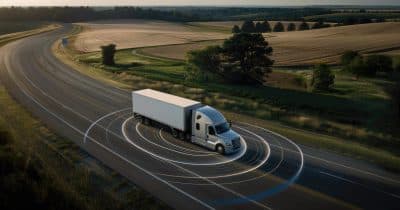
Humble Robotics secured $24 million in funding to develop autonomous freight trucks, aiming to address logistics industry challenges including driver shortages and emissions. The investment signals growing commercial interest in autonomous vehicle technology for long-haul transportation.
Humble Robotics' $24 million funding round represents a significant capital injection into the autonomous trucking sector, which has emerged as a key application area for robotics and AI technology. The company's focus on driverless freight addresses a critical pain point in logistics: the persistent shortage of commercial truck drivers in developed economies, coupled with mounting pressure to reduce carbon emissions in transportation. This funding demonstrates investor confidence in near-term commercialization prospects for autonomous freight solutions, differentiating the sector from earlier-stage autonomous vehicle ventures that faced longer development timelines and regulatory hurdles.
The broader context reveals a maturing autonomous vehicle ecosystem where trucking has become the primary near-term focus rather than passenger vehicles. Unlike autonomous ride-sharing, which faces complex urban navigation challenges, trucking on highways presents relatively more controllable environments with clearer regulatory pathways. This concentration of capital and talent in freight automation reflects pragmatic assessments about deployment timelines and market readiness.
For the logistics industry, successful autonomous trucking deployment could fundamentally reshape operational economics. Reduced labor costs, improved safety metrics, and continuous operational availability would create competitive advantages for early adopters. Investors in logistics and transportation infrastructure should monitor progress in autonomous freight capabilities, as widespread adoption could reshape labor markets and supply chain efficiency within 5-10 years.
Key metrics to watch include deployment scale, accident rates relative to human drivers, and regulatory approvals across major jurisdictions. Competition will intensify as established automotive suppliers and tech companies increase autonomous trucking investments.
- →$24 million funding demonstrates growing investor confidence in commercial autonomous trucking viability
- →Autonomous freight addresses critical logistics challenges: driver shortages and emissions reduction
- →Highway trucking presents more achievable near-term deployment scenario than urban autonomous vehicles
- →Successful scaling could transform transportation economics and labor markets within 5-10 years
- →Regulatory approval and real-world safety data remain critical factors for industry adoption