
Inflation pressures US Treasuries’ role in traditional portfolios
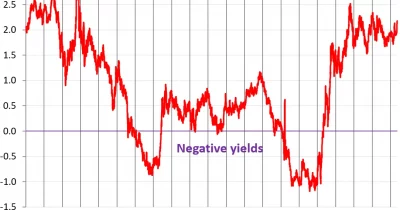
Persistent inflation is challenging the effectiveness of traditional stock-bond portfolio allocations, as higher inflation erodes Treasury returns and increases borrowing costs across the economy. This structural shift threatens the foundational risk-management strategy that has anchored institutional and retail portfolios for decades.
The stock-bond portfolio model has long served as a cornerstone of portfolio construction, with bonds providing stability and negative correlation to equities during downturns. However, elevated and sticky inflation fundamentally undermines this relationship by eroding bond real returns and forcing central banks to maintain higher interest rates for longer periods. This dynamic directly impacts Treasury valuations, which have historically acted as safe-haven assets and portfolio hedges.
Inflation's persistence stems from multiple structural factors: supply chain disruptions, labor market tightness, and sustained fiscal stimulus have created demand-supply imbalances that prove resistant to monetary policy tightening alone. The traditional inverse relationship between stocks and bonds breaks down in inflationary environments, as both asset classes face headwinds—equities from margin compression and bonds from rising yields.
For investors, this environment creates a portfolio conundrum. Higher borrowing costs ripple through the economy, pressuring corporate earnings and consumer spending while simultaneously reducing bond attractiveness through real return compression. Institutional investors face strategic decisions about asset allocation shifts, potentially exploring alternative hedges like inflation-linked securities, commodities, or digital assets that demonstrate different inflation-hedging characteristics.
Looking forward, the sustainability of inflation and central bank policy paths will determine whether this represents a cyclical challenge or a structural regime change. Market participants should monitor inflation trends, interest rate trajectories, and real bond yields to assess whether traditional portfolio frameworks require fundamental redesign or temporary tactical adjustments.
- →Inflation erodes the real returns of Treasury bonds, undermining their traditional portfolio diversification role
- →Higher interest rates increase economic borrowing costs while simultaneously reducing bond prices and yields
- →The stock-bond negative correlation breaks down in inflationary environments, leaving portfolios more vulnerable to broad-based losses
- →Investors must reassess asset allocation strategies and explore alternative hedging mechanisms beyond traditional fixed income
- →Persistence of inflation will determine whether portfolio construction frameworks require permanent structural changes