
Bond traders expect inflation surge to pressure Federal Reserve on rates
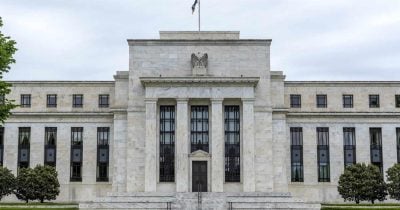
Bond traders are pricing in expectations of rising inflation that could force the Federal Reserve to maintain or increase interest rates, creating headwinds for risk assets including cryptocurrencies. Tighter monetary policy would likely slow economic growth and reduce liquidity in markets, pressuring asset valuations across equities and digital assets.
Inflation expectations among bond market participants signal potential shifts in Federal Reserve policy that ripple across all risk asset classes. When bond traders anticipate higher inflation, they demand higher yields to compensate for diminished purchasing power, effectively pricing in future rate hikes or extended periods of elevated rates. This dynamic matters because the Fed closely monitors market-implied inflation expectations as a data point for policy decisions, creating a feedback loop where trader sentiment can influence central bank action.
Historically, elevated inflation expectations have coincided with periods of monetary tightening, which constrains the easy credit conditions that fueled the 2020-2021 crypto bull market. Higher interest rates increase the opportunity cost of holding non-yielding assets like Bitcoin and Ethereum, making traditional fixed-income investments more attractive by comparison. The cryptocurrency market's performance has shown strong inverse correlation with real interest rates, as rising rates reduce speculative appetite for volatile assets.
For crypto investors and traders, sustained inflation expectations create a complex environment. While some argue Bitcoin functions as an inflation hedge, the near-term market impact typically favors rate stability or cuts over surprise tightening. Risk assets generally underperform during periods when the Fed is actively fighting inflation through rate hikes, as happened in 2022 when aggressive tightening coincided with crypto market declines exceeding 65%.
Market participants should monitor Fed communications and economic data releases closely. If inflation data validates bond traders' expectations, expect continued pressure on valuations across risk assets and potential volatility in crypto markets as investors reassess the timeline for policy normalization.
- →Bond traders are pricing inflation expectations that could prompt Federal Reserve rate increases or extended elevated rates
- →Higher interest rates reduce liquidity and increase opportunity costs for holding non-yielding cryptocurrencies
- →Historical data shows cryptocurrency markets typically decline during Fed tightening cycles aimed at combating inflation
- →Crypto market performance maintains inverse correlation with real interest rate expectations
- →Investors should monitor Fed communications and inflation data releases for signals of future monetary policy direction