
Iran conflict drives oil to $115, central banks adopt hawkish stance
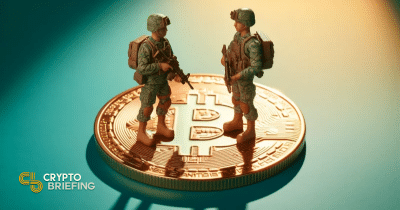
Escalating Iran conflict has pushed crude oil prices to $115 per barrel, triggering a hawkish pivot among central banks that plan to maintain or increase interest rates to combat persistent inflation. This geopolitical shock threatens to extend stagflationary pressures globally, with significant implications for risk assets including cryptocurrencies.
The Iran conflict represents a classic geopolitical risk premium event that disrupts commodity markets and reshapes monetary policy expectations. Oil's surge to $115 signals traders are pricing in sustained supply concerns, which historically feeds into broader inflation across energy-dependent economies. Central banks face a policy dilemma: allow inflation to run hot or tighten aggressively into weakening growth—neither outcome favors risky assets.
This dynamic echoes previous crisis periods where oil shocks forced central banks into defensive rate-hiking cycles. The 2022 energy crisis in Europe and earlier stagflationary episodes demonstrated how geopolitical supply disruptions can override other economic signals, keeping policymakers in restrictive mode longer than markets prefer. Iran's regional positioning means any escalation threatens Strait of Hormuz shipping routes, amplifying oil's vulnerability to further upside.
For cryptocurrency markets, hawkish central banks present a headwind. Higher rates increase the opportunity cost of holding non-yielding assets like Bitcoin and Ethereum. Real yields remain a critical price discovery mechanism; if central banks signal extended tightening, crypto's correlation with risk-off sentiment typically strengthens. Simultaneously, persistent inflation could drive some investors toward alternative stores of value, creating competing pressures.
Market participants should monitor three indicators: additional OPEC+ production cuts, Federal Reserve rhetoric at upcoming meetings, and crude's ability to sustain above $110. A sustained oil shock combined with hawkish Fed communications would likely pressure crypto equities and leveraged positions. Conversely, successful diplomatic resolution could spark a relief rally across risk assets, though inflation persistence remains the baseline assumption for rate policy through 2024.
- →Oil prices reached $115 due to Iran conflict, signaling sustained geopolitical supply risk.
- →Central banks are adopting or maintaining hawkish stances to combat inflation driven by oil and commodity shocks.
- →Higher interest rates reduce demand for non-yielding assets like cryptocurrencies.
- →Stagflationary pressures from geopolitical conflict create conflicting signals: inflation supports alternative assets, but rate hikes penalize them.
- →Crypto investors should monitor central bank messaging and oil price sustainability as key price discovery mechanisms.