
Kashkari dissent highlights inflation risks from Iran conflict, complicates Fed policy
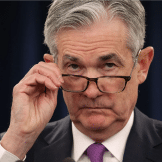
Federal Reserve official Neel Kashkari dissented on monetary policy, citing inflation risks stemming from geopolitical tensions with Iran. His position highlights internal Fed disagreement on balancing inflation control with economic stability as external shocks threaten price stability.
Kashkari's dissent signals meaningful fragmentation within Federal Reserve leadership regarding inflation trajectory and appropriate policy response. The disagreement centers on how geopolitical conflicts, particularly Middle East tensions, create supply-side inflationary pressures that monetary policy alone cannot resolve. This internal discord complicates forward guidance and suggests the Fed lacks consensus on its inflation-fighting strategy moving into an uncertain macroeconomic environment.
Historically, Fed dissents occur during periods of policy uncertainty. Regional Fed presidents retain voting rights specifically to represent diverse economic perspectives, and dissents become more frequent when economic outlooks diverge significantly. The Iran-related inflation concern reflects supply chain vulnerability—oil prices can spike dramatically from regional conflicts, creating transitory but severe price pressures. Kashkari's hawkish concern contradicts any narrative of imminent rate cuts, positioning him against potential dovish colleagues.
For financial markets, including cryptocurrency, Fed dissent matters substantially. Bitcoin and crypto assets respond to inflation expectations and interest rate trajectories. Kashkari's inflation-focused stance suggests a harder line on rates than markets may have priced in. This creates headwinds for risk assets, as higher-for-longer interest rates reduce speculative asset valuations. Additionally, geopolitical escalation historically triggers flight-to-safety dynamics, potentially benefiting defensive assets over growth-oriented investments.
Investors should monitor Fed communications carefully for broader consensus shifts. If multiple officials echo Kashkari's concerns, the market may need to recalibrate rate-cut expectations downward. The intersection of geopolitical risk and monetary policy creates compounding uncertainty that affects valuations across crypto, equities, and commodities simultaneously.
- →Kashkari's dissent reveals internal Fed disagreement on inflation risks from geopolitical conflict
- →Supply-side inflation from Iran tensions cannot be controlled through interest rate policy alone
- →Market expectations for rate cuts may need adjustment if dissent signals broader Fed hawkishness
- →Cryptocurrency and risk assets face headwinds from higher-for-longer interest rate expectations
- →Geopolitical escalation adds complexity to macro forecasting and monetary policy transmission