
Kashkari warns oil shock could lead to Fed rate hikes amid Iran conflict
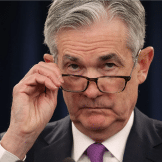
Federal Reserve officials, including Neel Kashkari, warn that oil price shocks resulting from Iran-related geopolitical tensions could reignite inflation concerns and potentially force the Fed to maintain higher interest rates longer than expected. This dynamic creates a complex policy environment where external supply shocks may override traditional monetary easing cycles.
Neel Kashkari's warning signals a critical inflection point in Fed policy deliberations, where geopolitical risk factors are reasserting themselves as potential inflation drivers. Oil price volatility stemming from Middle East tensions directly impacts core inflation metrics, particularly energy-dependent sectors, complicating the Fed's path toward rate normalization. The central bank faces a policy dilemma: lowering rates to support economic growth while simultaneously managing inflation pressures from commodity supply disruptions that lie outside traditional monetary policy levers.
Historically, oil shocks have destabilized inflation expectations and forced policy reversals. The 1970s stagflation and 2008 financial crisis both featured geopolitical or supply-driven oil spikes that constrained central bank flexibility. Current market pricing reflects anticipation of rate cuts, but Kashkari's commentary introduces uncertainty into this consensus, suggesting the Fed may need to reassess its easing timeline if inflationary pressures resurface.
For cryptocurrency markets, this development carries dual implications. Prolonged higher interest rates typically depress risk asset valuations and reduce capital flowing into digital assets. Conversely, geopolitical uncertainty often drives safe-haven demand toward Bitcoin and other cryptocurrencies positioned as inflation hedges. Investors should monitor oil futures and Fed communications closely, as divergence between geopolitical inflation and growth concerns could create significant volatility in both equities and crypto markets.
The critical variable ahead involves whether oil prices sustain elevated levels. Transitory spikes may have minimal policy impact, while sustained increases above $90-100 per barrel would meaningfully extend Fed rate-hold periods, directly pressuring risk assets including cryptocurrencies.
- →Oil price shocks from Iran tensions could force the Fed to maintain elevated rates longer, complicating monetary easing expectations.
- →Geopolitical supply disruptions create inflation pressures beyond the Fed's direct control, creating policy uncertainty.
- →Cryptocurrency markets face conflicting pressures: higher rates weigh on valuations while geopolitical risk drives safe-haven demand.
- →Oil prices above $90-100 per barrel would significantly extend the Fed's rate-hold timeline.
- →Investors should monitor crude oil futures and Fed communications for signals on policy trajectory shifts.