
US mortgage rate climbs to nine-month high of 6.51% as inflation fears mount
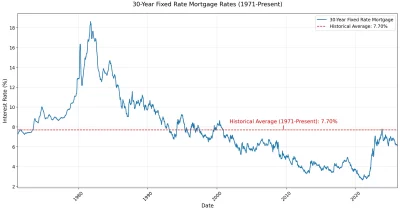
US mortgage rates have reached a nine-month high of 6.51%, driven by mounting inflation concerns. This surge is expected to dampen housing demand and depress home prices, while simultaneously creating opportunities for alternative financing solutions including crypto-backed mortgages.
The climb in mortgage rates to 6.51% represents a significant tightening in the residential lending market, signaling persistent inflationary pressures that central banks continue to combat through monetary policy restraint. This movement reflects broader economic concerns about sticky inflation, which has forced the Federal Reserve to maintain higher interest rate regimes longer than previously anticipated. Traditional housing markets face headwinds as borrowing becomes costlier, reducing affordability for middle-income buyers and potentially triggering a correction in home valuations after years of appreciation.
The trajectory toward higher rates stems from a combination of factors: elevated consumer price indices, labor market resilience, and bond market expectations for prolonged restrictive monetary conditions. This macroeconomic backdrop has compressed housing demand elasticity, meaning fewer buyers can qualify for mortgages or afford payments on comparable properties. The housing sector's sensitivity to rate movements makes it a reliable leading indicator of broader economic stress.
Beyond traditional impacts, rising rates create friction that incentivizes financial innovation. Crypto-backed mortgage products and blockchain-based lending protocols present alternative pathways for borrowers seeking flexibility or faster settlement. These mechanisms can bypass traditional banking infrastructure, appeal to unbanked populations, or offer dynamic collateral arrangements tied to cryptocurrency volatility.
The next critical juncture arrives when transaction volumes decline meaningfully or home price indices begin contracting. Investors should monitor whether this rate environment catalyzes adoption of decentralized lending alternatives or merely suppresses overall credit demand. The intersection of conventional monetary tightening and emerging financial technologies will shape real estate financing for years ahead.
- →Mortgage rates hit a nine-month peak of 6.51%, reflecting persistent inflation and restrictive monetary policy
- →Higher borrowing costs will cool housing demand and potentially trigger home price corrections
- →Cryptocurrency-backed mortgages emerge as alternative financing mechanisms amid traditional market friction
- →Housing market weakness serves as a leading indicator for broader economic slowdown
- →Decentralized lending protocols may gain adoption as borrowers seek alternatives to traditional banking constraints