
Nvidia partners with homebuilders to put AI data centers in residential backyards
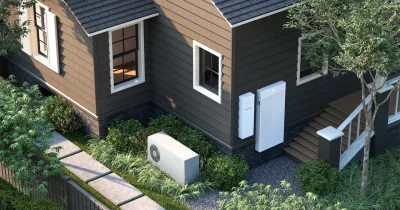
Nvidia is partnering with homebuilders to deploy small AI data centers in residential backyards, leveraging unused residential power capacity to decentralize AI infrastructure. While the XFRA initiative could reduce strain on centralized data centers and create new revenue streams for homeowners, it faces significant obstacles including scalability concerns, technical integration challenges, and uncertain homeowner adoption rates.
Nvidia's initiative to place AI data centers in residential spaces represents a meaningful shift in how AI compute infrastructure might be distributed. Rather than concentrating processing power in industrial-scale facilities, the company aims to tap into surplus residential electrical capacity, potentially unlocking billions of dollars in underutilized resources across millions of homes. This approach addresses a critical bottleneck in AI scaling: the limited availability of grid power and specialized facilities needed to train and run large language models.
The residential data center concept emerges against a backdrop of constrained AI infrastructure. Cloud providers and semiconductor manufacturers face capacity shortages driven by explosive demand for AI services, particularly generative AI applications. Data centers consume enormous amounts of electricity, straining grid infrastructure in technology hubs. By distributing compute workloads to homes with available power capacity, Nvidia could theoretically accelerate AI deployment while reducing pressure on centralized infrastructure.
However, translating this vision into market reality presents formidable challenges. Residential power quality, latency requirements for AI workloads, and thermal management in home environments differ drastically from optimized data center conditions. Homeowner acceptance remains speculative—factors like noise, heat generation, electrical safety, and liability concerns could severely limit participation rates. The economics must prove compelling enough for homeowners to accommodate specialized hardware in their spaces.
For the AI and cryptocurrency sectors, this development signals Nvidia's confidence in distributed infrastructure models. If successful, residential data centers could reshape how compute resources are provisioned, potentially creating new markets for home-based AI participation. The initiative warrants monitoring as pilot programs reveal real-world feasibility and adoption patterns.
- →Nvidia's residential data center program aims to decentralize AI infrastructure by utilizing surplus home electrical capacity.
- →The approach addresses critical bottlenecks in AI scaling related to grid power availability and data center capacity constraints.
- →Significant technical and social challenges remain, including power quality standards, thermal management, and homeowner acceptance rates.
- →Success could create new revenue models for residential property owners and reshape distributed computing economics.
- →Market impact depends heavily on pilot program results and real-world feasibility demonstrations in the coming months.