
South African Reserve Bank set to raise rates for first time since 2023 amid Iran war inflation
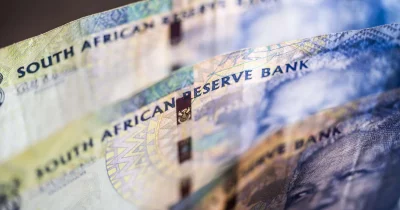
The South African Reserve Bank is preparing to raise interest rates for the first time since 2023, driven by inflationary pressures linked to geopolitical tensions including the Iran conflict. While rate hikes could strengthen the rand and attract foreign investment, they risk slowing economic growth and burdening rate-sensitive sectors.
The South African Reserve Bank's anticipated rate increase marks a significant policy shift after maintaining rates since 2023, signaling central bankers' concern about persistent inflation fueled by geopolitical instability. The Iran-related tensions contributing to global energy price pressures have cascading effects on emerging markets like South Africa, where import-dependent economies face elevated inflation that monetary authorities must address through tighter policy.
Rate hikes typically operate through dual mechanisms in emerging markets. Higher borrowing costs can attract international capital seeking better returns, which strengthens the local currency and improves purchasing power for imports. However, this benefit comes with substantial trade-offs. South Africa's economy, already grappling with structural challenges including load shedding and unemployment, faces headwinds from contractionary monetary policy. Consumer spending declines, business investment slows, and debt servicing becomes more expensive for households and corporations.
For cryptocurrency and blockchain markets, South African rate hikes carry mixed implications. Stronger domestic currency sentiment could reduce local demand for crypto as inflation hedges, while broader emerging-market portfolio rebalancing toward higher yields might divert capital from risk assets. Conversely, geopolitical uncertainty and currency volatility often drive institutional and retail interest in decentralized alternatives.
Investors should monitor whether additional rate hikes follow, as cumulative tightening could materially impact emerging-market asset performance and capital flows. The timing matters significantly—if inflation moderates faster than expected, the Reserve Bank may pause, supporting growth-sensitive assets including cryptocurrencies that benefit from more accommodative financial conditions.
- →South African Reserve Bank signals first rate increase since 2023 driven by Iran-related inflation pressures
- →Higher rates may strengthen the rand and attract foreign capital, but risk slowing economic growth
- →Rate-sensitive sectors including housing and consumer finance face headwinds from contractionary policy
- →Emerging-market portfolio rebalancing could affect capital flows to cryptocurrencies and risk assets
- →Future policy trajectory depends on inflation trajectory and geopolitical developments in coming quarters