
Suez Canal oil tanker crossings surge nearly 30% in April as Hormuz crisis reshapes global shipping
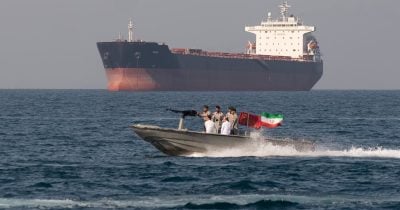
Oil tanker crossings through the Suez Canal surged nearly 30% in April as geopolitical tensions in the Strait of Hormuz redirect global shipping routes. This significant shift in energy logistics disrupts commodity price stability and has downstream effects on inflation and macroeconomic conditions that influence cryptocurrency and traditional markets.
The surge in Suez Canal oil tanker traffic represents a critical reconfiguration of global energy infrastructure driven by geopolitical risk. When shipping routes concentrate through alternative passages due to security concerns in primary chokepoints like Hormuz, the entire supply chain becomes vulnerable to new disruption points. A 30% increase in Suez traffic demonstrates how quickly market participants respond to perceived threats, revealing the fragility of energy distribution networks that underpin modern economies.
This routing shift emerged from escalating tensions affecting the Strait of Hormuz, through which approximately one-third of global seaborne oil passes normally. As operators perceive increased risk in that corridor, they opt for longer routes around Africa via the Suez Canal, increasing transit times and operational costs. This behavior mirrors how cryptocurrency markets react to regulatory uncertainty—participants seek alternative venues when primary channels face friction, though the macro consequences differ significantly.
For investors and traders, this development signals potential inflationary pressures as elevated shipping costs transmit through energy markets. Oil price volatility affects both traditional assets and cryptocurrency valuations, which often move inversely to risk-off sentiment during macro stress. The redirect also suggests sustained geopolitical risk premium, keeping energy markets elevated and potentially limiting central bank flexibility on interest rates.
Market participants should monitor whether this routing pattern persists or normalizes. Sustained elevated Suez traffic would indicate long-term geopolitical fragmentation of energy supply chains, with consequences for inflation expectations, commodity volatility, and macroeconomic policy directions that cascade into crypto valuations and risk sentiment across all asset classes.
- →Suez Canal tanker crossings jumped nearly 30% in April due to Hormuz Strait security concerns redirecting global shipping
- →Rerouting oil tankers through longer passages increases transit times and operational costs, pressuring commodity prices upward
- →Elevated energy shipping costs create inflationary headwinds that influence monetary policy and risk-off sentiment across markets including crypto
- →Geopolitical fragmentation of critical infrastructure reveals systemic vulnerabilities in global supply chain resilience
- →Sustained route diversification could indicate persistent macro instability affecting asset valuations and investor risk appetite