
Tesla showcases autonomous driving with San Francisco to Palo Alto round trip
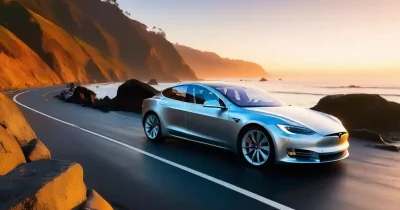
Tesla demonstrated autonomous driving capabilities with a San Francisco to Palo Alto round trip, signaling progress toward commercial robotaxi services. The company's shift from vehicle sales to recurring subscription-based autonomous transportation could fundamentally reshape its revenue model and the transportation industry.
Tesla's autonomous driving demonstration represents a critical milestone in the company's long-term strategy to transition from manufacturing automobiles to operating a transportation services network. The successful execution of a meaningful route between two major Bay Area cities indicates the technology has reached a practical demonstration phase, moving beyond controlled test environments. This validates years of development in machine learning, sensor integration, and real-world validation that competitors are also pursuing.
The broader autonomous vehicle landscape has evolved significantly, with multiple companies racing toward commercialization while regulatory frameworks remain inconsistent across jurisdictions. Tesla's approach differs from traditional automakers by leveraging its existing vehicle fleet as a distributed data collection network, creating a competitive advantage in training autonomous systems at scale.
From a market perspective, successful autonomous deployment transforms Tesla from a capital-intensive manufacturing business into a high-margin services provider. Robotaxi revenue models offer recurring, predictable income streams with reduced per-unit costs compared to vehicle sales. This shift affects investor valuations, supply chain dynamics, and traditional ride-sharing platforms like Uber and Lyft that operate without proprietary vehicle fleets.
The near-term catalyst involves regulatory approval in key markets, scaling production of full self-driving capable vehicles, and demonstrating safety metrics that satisfy insurance and governmental requirements. Investors should monitor announcements regarding commercial deployment timelines, accident rates during testing phases, and competitive responses from traditional automakers and tech companies developing parallel technologies.
- →Tesla demonstrated a functional autonomous driving system capable of completing meaningful real-world routes between cities.
- →Successful autonomous deployment could transform Tesla's revenue model from one-time vehicle sales to recurring robotaxi services.
- →The technology advancement intensifies competition among automakers, tech companies, and ride-sharing platforms entering autonomous transportation.
- →Regulatory approval and safety validation remain critical barriers before commercial robotaxi services can launch at scale.
- →Investor valuations may shift as the market prices in potential high-margin recurring revenue from autonomous fleets.