
Tesla’s FSD Supervised completes coast-to-coast drives without human input
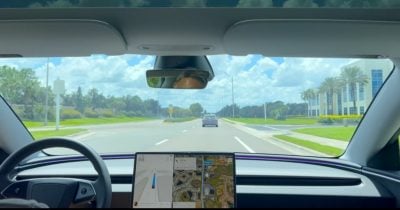
Tesla's Full Self-Driving (FSD) Supervised system has successfully completed coast-to-coast autonomous drives without human intervention, marking a significant milestone in autonomous vehicle development. The achievement could reshape the competitive landscape, disrupt traditional automotive markets, and trigger intensified regulatory scrutiny around safety standards and liability frameworks.
Tesla's coast-to-coast FSD accomplishment represents a watershed moment for autonomous vehicle technology, demonstrating that level-4 autonomy is transitioning from controlled testing environments to real-world, extended-distance operations. This milestone validates Tesla's data-driven approach to developing self-driving capabilities through accumulated miles and machine learning rather than relying on expensive lidar systems competitors favor. The feat underscores the competitive moat Tesla has built in autonomous driving, with its massive fleet generating continuous training data that competitors cannot easily replicate.
The autonomous vehicle market has evolved significantly over the past decade, with initial hype giving way to technical realism about the complexity of full autonomy. Tesla's progress challenges well-funded competitors like Waymo and traditional automakers investing billions in AV development. The company's ability to deploy FSD across consumer vehicles at scale—rather than limited robotaxi fleets—creates a network effect that accelerates learning algorithms and real-world validation.
For investors and the broader market, this development signals accelerating disruption in transportation, insurance, and logistics sectors. Tesla's valuation premium partly reflects autonomous capabilities; demonstrating sustained progress validates those expectations and could influence investor sentiment toward the stock and autonomous technology investments generally. The achievement also pressures regulators to establish clearer frameworks for AV deployment, potentially benefiting first-movers with proven safety records.
Looking ahead, the key battleground shifts from technical feasibility to regulatory approval and public acceptance. Interstate commerce departments, federal transportation agencies, and insurance regulators will scrutinize liability frameworks and safety protocols. Sustained FSD reliability and transparent safety data reporting will determine whether Tesla's advantage becomes entrenched or vulnerable to competitive catches.
- →Tesla demonstrates practical level-4 autonomy capability through successful multi-state coast-to-coast drives without human intervention.
- →The achievement strengthens Tesla's competitive moat by showcasing capabilities competitors with different technological approaches are still developing.
- →Regulatory frameworks for autonomous vehicle deployment are becoming critical market gatekeepers rather than technical hurdles.
- →Insurance and liability frameworks will need restructuring as autonomous vehicles move from testing to widespread deployment.
- →Successful FSD validation supports Tesla's valuation premium and validates autonomous technology as an investable market category.