
US inflation hits three-year high as energy prices surge, complicating Fed rate cut timeline
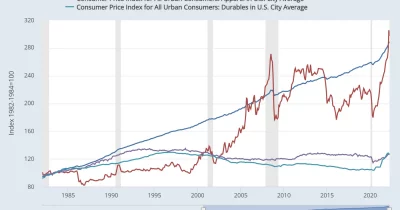
U.S. inflation has reached a three-year high driven by surging energy prices, prompting the Federal Reserve to potentially delay interest rate cuts. This development creates headwinds for risk assets including cryptocurrencies, as elevated borrowing costs reduce investor appetite for volatile investments.
Inflation accelerating to three-year highs represents a significant macroeconomic shift that directly impacts monetary policy expectations. Rising energy prices serve as the primary inflationary driver, reflecting broader supply-demand imbalances in global commodity markets. This dynamic complicates the Federal Reserve's policy calculus, as persistent inflation forces policymakers to maintain higher interest rates longer than markets previously anticipated.
The broader context reveals a complex inflation narrative. After aggressive rate hikes throughout 2022-2023, markets had priced in a series of Fed cuts beginning in early 2024. However, sticky inflation—particularly in energy and services sectors—undermines this narrative. The persistence of these inflationary pressures suggests the Fed's fight against price growth remains incomplete, requiring continued monetary restraint.
For cryptocurrency markets, this development carries substantial negative implications. Bitcoin, Ethereum, and altcoins typically exhibit inverse correlations with real interest rates. Higher borrowing costs increase the opportunity cost of holding non-yielding assets like crypto, while simultaneously reducing liquidity in risk markets. Institutional investors allocating capital across asset classes face improved returns in traditional fixed-income instruments, potentially redirecting funds away from digital assets.
Looking ahead, traders should monitor upcoming inflation data releases and Fed communications closely. Any indication of persistent inflation could extend the timeline for rate cuts into late 2024 or beyond, pressuring crypto valuations. Conversely, evidence of cooling inflation would validate market expectations for monetary easing, likely benefiting risk assets. Energy market dynamics will remain a critical variable shaping both inflation trends and Fed policy trajectories.
- →Three-year high inflation driven by energy prices delays Federal Reserve rate cut expectations
- →Higher interest rates reduce investor appetite for risk assets including cryptocurrencies
- →Extended monetary tightness improves returns on fixed-income instruments, competing with crypto allocation
- →Market liquidity for digital assets may contract as capital rotates to traditional assets
- →Energy market dynamics will be crucial to watch for inflation trends and Fed policy direction