
US inflation jumps in March amid Iran war, Trump tariffs impact
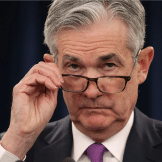
US inflation surged in March, driven by geopolitical tensions including the Iran conflict and Trump administration tariffs. The inflation increase complicates Federal Reserve policy decisions, potentially forcing prioritization of inflation control over economic stimulus measures.
March's inflation spike represents a critical inflection point for US monetary policy. The surge stems from multiple pressure points: Middle East tensions affecting energy prices and supply chains, combined with tariff policies that increase input costs for businesses and consumers. This dual shock distinguishes the current environment from typical demand-driven inflation, making policy responses more complex for the Federal Reserve.
Historically, geopolitical shocks create transitory price pressures, but tariffs introduce more persistent inflationary dynamics by raising structural costs throughout the economy. The Fed faces a policy dilemma: aggressive rate hikes risk stalling economic growth, while accommodative policies risk entrenching inflation expectations. Previous episodes of stagflation demonstrate the dangers of delayed tightening once price pressures become embedded.
For cryptocurrency and digital asset markets, persistent inflation and higher interest rate expectations typically support crypto as an inflation hedge, though near-term volatility increases as markets reassess Fed policy trajectories. Risk assets generally face headwinds when inflation surprises upward while growth falters. The tariff component particularly affects tech and manufacturing sectors, which constitute significant portions of institutional crypto investor portfolios.
Investors should monitor the Fed's April and May communications closely for signals about potential rate hikes or guidance revisions. The critical variable remains whether inflation proves transitory or becomes sticky. Sustained inflation could paradoxically support long-term crypto valuations while creating short-term trading volatility as markets reprice assets across all categories.
- →March inflation surge reflects combined impact of Iran tensions and Trump tariffs on supply chains and energy prices
- →Fed policy faces increased complexity balancing inflation control against economic growth concerns
- →Tariff-driven inflation creates structural cost pressures, distinguishing this from typical demand-side inflation
- →Cryptocurrency markets face near-term volatility but potential long-term benefit from persistent inflation expectations
- →Monitor Fed communications and wage data to determine whether inflation becomes sticky or remains transitory