22,940 AI articles curated from 50+ sources with AI-powered sentiment analysis, importance scoring, and key takeaways.
AIBearishFortune Crypto · Jun 57/10
🧠Tech stocks are experiencing significant losses as investors grapple with dual concerns: the possibility of Federal Reserve rate hikes and softening momentum in the AI-driven semiconductor boom. Labor market data showing stable but cooling wage growth suggests the Fed may maintain higher rates longer than expected, pressuring growth-dependent tech valuations.
AIBullishCrypto Briefing · Jun 57/10
🧠Apollo and Blackstone have finalized a $35 billion funding round for Anthropic to support AI infrastructure expansion. The investment highlights the critical role of computational infrastructure in advancing U.S. AI capabilities and maintaining competitive advantage in the global technology landscape.
🏢 Anthropic
AINeutralCrypto Briefing · Jun 57/10
🧠Claude, an AI coding assistant, now authors over 80% of code merged into its own codebase, demonstrating rapid AI self-improvement capabilities. This development raises questions about the need for global oversight as human roles increasingly shift toward strategic oversight rather than direct implementation.
🧠 Claude
AIBullishcrypto.news · Jun 57/10
🧠SpaceX has secured a $920 million monthly contract with Google for GPU compute services ahead of its anticipated Nasdaq IPO. This agreement positions SpaceX as a significant player in the competitive AI infrastructure market and adds enterprise credibility to its AI business unit.
AIBullishCrypto Briefing · Jun 57/10
🧠Anthropic has embedded engineers at the NSA to deploy Mythos AI for cyber operations, signaling institutional adoption of advanced AI systems for government security purposes. This collaboration underscores the strategic importance of AI in national defense infrastructure and the growing convergence between private AI companies and government agencies.
🏢 Anthropic
AIBearishDecrypt – AI · Jun 57/10
🧠Anthropic, the AI company behind Claude, has embedded engineers at the NSA for offensive cyber operations while simultaneously publishing research warning that AI systems could soon operate autonomously without human oversight. This apparent contradiction between supporting government hacking initiatives and advocating for AI safety precautions raises questions about the company's actual commitment to responsible AI development.
🏢 Anthropic🧠 Claude
AIBearishCrypto Briefing · Jun 57/10
🧠Broadcom's disappointing forward guidance triggered a 2% decline in the Philadelphia Semiconductor Index, signaling market concerns about AI demand sustainability. The forecast miss reflects investor anxiety about whether AI growth expectations have become overextended, potentially reshaping sentiment across the broader chipmaker sector.
AIBearishCrypto Briefing · Jun 57/10
🧠US technology companies are executing 38,000 job cuts while simultaneously increasing capital spending on AI infrastructure and development. This paradox reflects a fundamental industry shift toward automation and efficiency gains, raising concerns about workforce displacement and long-term employment stability in the tech sector.
AIBearishBlockonomi · Jun 57/10
🧠A $2.5 trillion market sell-off was triggered by stronger-than-expected U.S. jobs data (172,000 jobs added in May) raising rate hike odds to 57%, combined with AI sector concerns including Broadcom's refusal to raise guidance and reports that Nvidia's new chips require less memory than anticipated, pressuring semiconductor stocks.
🏢 Nvidia
AIBullishCrypto Briefing · Jun 57/10
🧠Google is committing to pay SpaceX $920 million monthly for computing services, a strategic partnership that could substantially enhance SpaceX's valuation ahead of its anticipated IPO. This deal underscores the growing convergence between cloud computing and aerospace infrastructure, positioning both companies for significant market opportunities.
AIBullishTechCrunch – AI · Jun 57/10
🧠Google has committed to paying SpaceX $920 million per month for compute services, a massive enterprise deal announced just before SpaceX's anticipated IPO. The agreement signals major cloud infrastructure consolidation and demonstrates Starlink's expanding role in enterprise computing beyond consumer internet.
AIBullishCrypto Briefing · Jun 57/10
🧠President Trump has signed a directive aimed at accelerating AI innovation while strengthening cybersecurity standards. The policy is expected to reshape competitive dynamics in the technology sector by establishing security as a foundational requirement for AI development, potentially influencing how companies approach product strategy and investment allocation.
AIBullishCrypto Briefing · Jun 57/10
🧠Nvidia is positioned to become the largest company by market capitalization by the end of June, according to Polymarket predictions. The company's dominance in AI-chip manufacturing has reshaped market dynamics and challenged traditional technology leaders.
🏢 Nvidia
AINeutralFortune Crypto · Jun 57/10
🧠The UK's Competition and Markets Authority has forced Google to allow news publishers to opt out of AI scraping, marking the first regulatory mandate of its kind globally. Google committed to providing website owners with tools to control AI training data access as part of addressing competition concerns.
AIBullishBlockonomi · Jun 57/10
🧠Salesforce has secured a partnership as Official FIFA World Cup 2026 Supporter, deploying its AI platform Agentforce 360 to support the tournament's operations. Analysts project 33% upside potential with a $249 price target, suggesting the partnership could drive significant shareholder value through expanded AI platform visibility and enterprise deployment opportunities.
AIBearishWired – AI · Jun 57/10
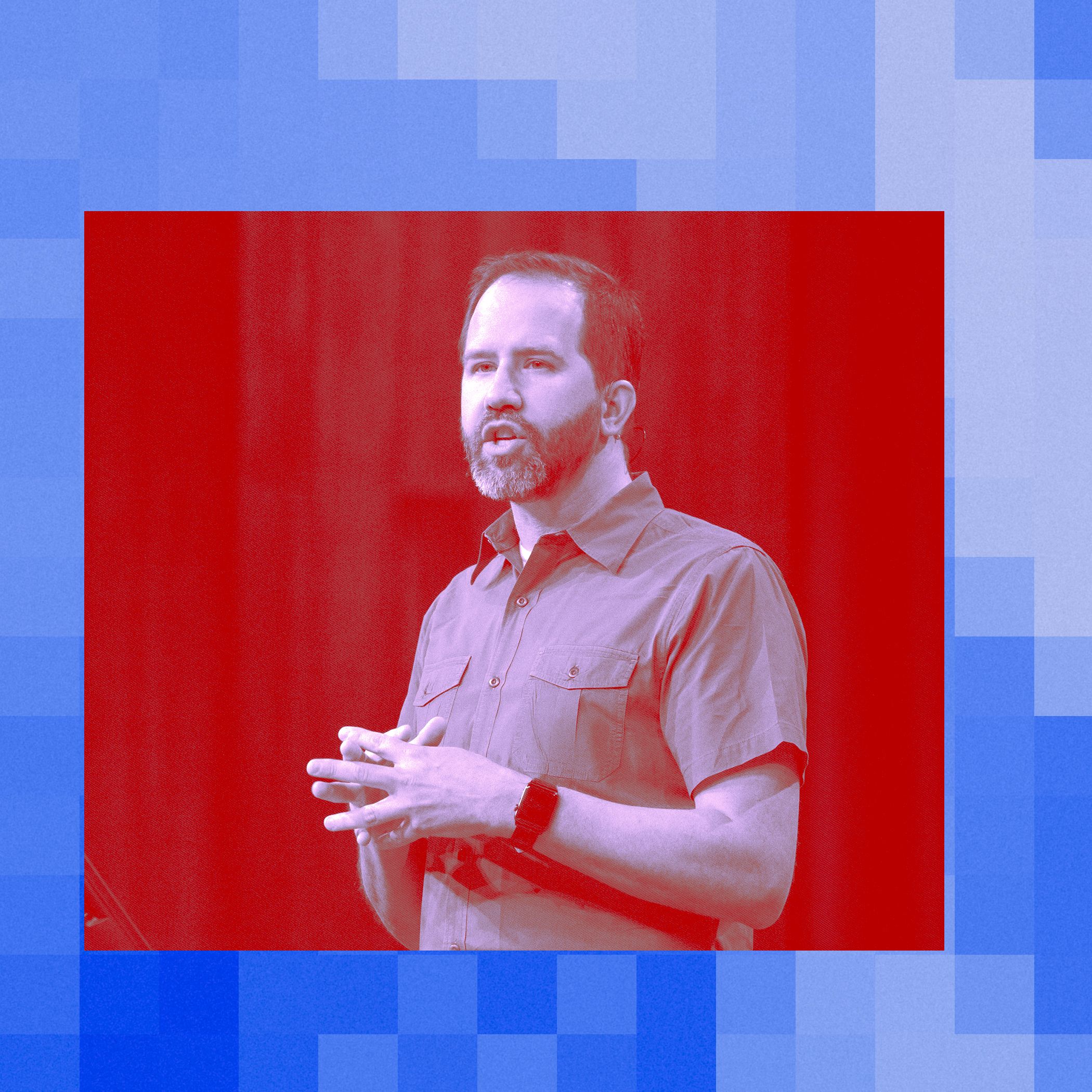
🧠Microsoft faces mounting challenges with sluggish AI product adoption and operational issues at GitHub, prompting questions about whether the tech giant is losing competitive momentum in the artificial intelligence race. VP Scott Hanselman's comments to WIRED suggest the company may be entering a catch-up phase despite its significant investments in AI technology and infrastructure.
AIBearishTechCrunch – AI · Jun 57/10
🧠The AI industry is shifting from aggressive growth strategies toward cost management and operational oversight as computational expenses spiral beyond initial projections. The industry's pivot reflects a broader realization that unchecked spending on AI infrastructure requires structural controls and governance frameworks to remain sustainable.
AIBearishFortune Crypto · Jun 57/10
🧠Goldman Sachs AI skeptic Jim Covello raises concerns about the profitability timeline for major AI companies ahead of potential OpenAI and Anthropic IPOs, questioning when venture-backed AI firms will transition from massive spending to generating returns. His skepticism reflects broader Wall Street debate over whether AI's astronomical valuations are justified by near-term revenue prospects.
🏢 OpenAI🏢 Anthropic
AIBearishFortune Crypto · Jun 57/10
🧠Anthropic, a $965 billion AI lab, is calling for a global pause on advanced AI development, warning that artificial intelligence could soon achieve self-improvement without human oversight. This appeal for caution comes as the company prepares for an IPO, raising questions about whether safety concerns or strategic positioning motivates the announcement.
🏢 Anthropic
AINeutralCrypto Briefing · Jun 57/10
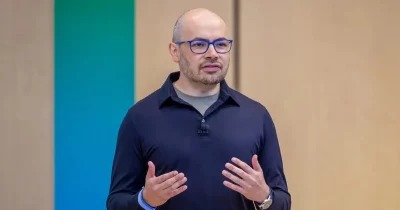
🧠Google DeepMind's CEO has predicted that Artificial General Intelligence (AGI) could arrive by 2030, emphasizing the need for immediate societal and infrastructural preparations. This timeline suggests that transformative AI capabilities could emerge within the next 6 years, requiring proactive planning across industries and governance systems.
🏢 Google
AIBullishCrypto Briefing · Jun 57/10
🧠Nvidia has achieved a 2,900% net income growth, significantly outpacing other major technology firms and cementing its dominance in the AI sector. This extraordinary growth reflects the company's critical role in supplying AI infrastructure and chips, reshaping competitive dynamics across the technology industry.
🏢 Nvidia
AIBullishBlockonomi · Jun 57/10
🧠NVIDIA CEO Jensen Huang has certified Samsung, SK Hynix, and Micron as approved suppliers for HBM4 memory chips destined for the Vera Rubin GPU platform, launching in Q3 2026. This diversification of supply sources is designed to deliver a 10x performance increase in AI capabilities and addresses NVIDIA's previous reliance on single suppliers.
🏢 Nvidia
AIBullishBlockonomi · Jun 57/10
🧠SpaceX has launched a $75 billion IPO roadshow with Morgan Stanley forecasting $3.4 trillion in revenue by 2040, underpinned by an AI business segment projected to generate $190-$322 billion by 2030. The valuation reflects investor confidence in SpaceX's diversified revenue streams beyond traditional aerospace.
AIBullishTechCrunch – AI · Jun 57/10
🧠AirTrunk, an Australian data center operator, is committing $30 billion to build 5 gigawatts of AI data center capacity in India. This massive infrastructure investment reflects surging global demand for AI computing resources and positions India as a critical hub for serving AI workloads across Asia.
AINeutralCrypto Briefing · Jun 57/10
🧠Anthropic co-founder has indicated that escalating AI development costs are pushing the company toward pursuing an IPO. This signals a broader trend where AI companies are increasingly turning to public markets to fund their capital-intensive operations rather than relying solely on private venture capital.
🏢 Anthropic