#cybersecurity News & Analysis
Recent coverage of #cybersecurity reflects a divided outlook, with 37.5% bearish sentiment balanced against 25% bullish views across 72 articles published in the last 30 days. Sentiment has remained stable compared to the previous quarter, suggesting persistent concerns without dramatic shifts in market perception.
Anthropic and OpenAI feature prominently in discussions alongside #cybersecurity, particularly regarding AI security implications and safety considerations. Academic research from arXiv dominates the source landscape, while cryptocurrency outlets and business publications also contribute significantly to the conversation. Explore the articles below for current developments and perspectives shaping this sector.
sentiment · last 30d (72 articles)Top sources:arXiv – CS AI · 109Crypto Briefing · 17Fortune Crypto · 14Blockonomi · 11OpenAI News · 7
Most-discussed entities:Anthropic · 19OpenAI · 8GPT-5 · 6Claude · 5ChatGPT · 2
CryptoBearishCrypto Briefing · May 2🔥 8/10
⛓️North Korean hackers executed a record $635 million cryptocurrency theft in April 2026, exposing critical vulnerabilities in digital finance infrastructure. The incident is expected to accelerate regulatory scrutiny and reshape how artificial intelligence is deployed in cybersecurity defenses across the crypto ecosystem.
CryptoBullishCrypto Briefing · May 1🔥 8/10
⛓️A U.S. defense secretary has publicly endorsed Bitcoin and proposed integrating it into national defense strategies, potentially leveraging cryptocurrency's decentralized architecture to strengthen cybersecurity infrastructure and reshape geopolitical power dynamics.
$BTC
GeneralBearishCrypto Briefing · Apr 20🔥 8/10
📰Fitch Ratings has warned that geopolitical tensions with Iran and software vulnerabilities pose significant risks to US credit stability. These threats could undermine investor confidence and destabilize credit markets, with potential ripple effects across the broader financial system including cryptocurrency markets.
CryptoBearishBitcoinist · Apr 17🔥 8/10
⛓️The Ethereum Foundation discovered approximately 100 North Korean IT workers embedded across 53 cryptocurrency projects, raising significant security concerns for the crypto ecosystem. This discovery highlights the growing threat of state-sponsored infiltration in decentralized finance and prompts questions about the integrity of major DeFi protocols.
$ETH
CryptoBearishCoinDesk · Apr 12🔥 8/10
⛓️North Korea's cryptocurrency theft operations have evolved into a sophisticated, state-sponsored threat that operates with relative impunity despite international scrutiny. Security experts warn that the regime's unique position as a nation-state with fewer geopolitical constraints makes it fundamentally different from other cybercriminals, posing an escalating risk to crypto ecosystem security and stability.
AI × CryptoBearishBankless · Apr 11🔥 8/10
🤖The article warns that quantum computing and AI-powered zero-day discovery threaten to undermine cryptographic security infrastructure that protects the internet. These emerging technologies could render current encryption methods obsolete, necessitating urgent transition to quantum-resistant protocols before adversaries exploit vulnerabilities at scale.
CryptoBearishCrypto Briefing · Apr 10🔥 8/10
⛓️Amanda Wick highlights escalating nation-state cyber attacks, particularly from North Korea, which leverage cryptocurrency vulnerabilities as a significant revenue source. The analysis underscores an urgent need for crypto companies to fundamentally strengthen their security protocols against state-sponsored threats.
AIBearishCoinDesk · Apr 107/10
🧠Treasury Secretary Bessent and Federal Reserve Chair Powell are convening bank CEOs for urgent discussions following concerns about Mythos, an AI system capable of rapidly identifying software vulnerabilities and developing sophisticated exploits. The meeting addresses fears that such AI capabilities could pose systemic risks to financial institutions and banking infrastructure.
AIBearishFortune Crypto · Jun 267/10
🧠OpenAI has agreed to stagger the rollout of its most advanced model, restricting initial access to customers approved by the Trump administration due to concerns about cybersecurity capabilities. This marks the second instance in a month where a leading AI lab has delayed general availability of its most powerful model over fears of malicious use.
🏢 OpenAI
AIBullishDecrypt – AI · Jun 267/10
🧠The Linux Foundation and 19 major organizations, including leading AI labs and financial institutions, have launched Akrites, a coordinated security initiative to protect open-source software from AI-powered attacks and supply chain threats. This collaborative defense effort addresses growing vulnerabilities in critical infrastructure as malicious actors increasingly leverage AI for sophisticated code injection and exploitation.
AIBearishFortune Crypto · Jun 257/10
🧠VivaTech in Paris attracted 180,000 attendees focused on AI's practical challenges rather than hype. Key discussions centered on European cybersecurity vulnerabilities, technological dependence on U.S. AI providers, and disappointing ROI from AI investments—highlighting a critical gap between AI adoption and measurable business outcomes.
CryptoBearishCrypto Briefing · Jun 25🔥 8/10
⛓️A $2 billion hack of the Bybit cryptocurrency exchange has been preliminarily linked to North Korean threat actors, though Iranian involvement remains unconfirmed. The incident highlights critical security vulnerabilities in centralized crypto platforms and is likely to accelerate regulatory scrutiny and industry-wide cybersecurity standards.
GeneralBearishDaily Hodl · Jun 257/10
📰Xsolis, a Tennessee-based healthcare technology firm, suffered a data breach in January that exposed personal and medical information of approximately 1.4 million Americans. The unauthorized access compromised sensitive data handled by the company, which provides patient care and utilization management services to healthcare providers across the United States.
AIBearisharXiv – CS AI · Jun 257/10
🧠Researchers demonstrate that trigger color significantly affects the success of backdoor attacks in federated learning systems, with white triggers more effective against blonde-class targets and black triggers more effective against black-class targets. This finding reveals a previously underexplored vulnerability in distributed machine learning systems where poisoned updates can evade detection while maintaining benign performance.
AIBearishCrypto Briefing · Jun 247/10
🧠Anthropic has reported that operators linked to Alibaba conducted mass distillation attacks targeting Claude's software engineering capabilities, attempting to extract and replicate the model's proprietary knowledge. The incident highlights critical vulnerabilities in AI systems and underscores the need for stronger security protocols and international regulatory frameworks to protect AI intellectual property.
🏢 Anthropic🧠 Claude
GeneralBearishProtos · Jun 247/10
📰LastPass users face renewed security threats following another data breach involving a third-party vendor, with the password management company warning customers to be vigilant against phishing and social engineering attacks targeting their cryptocurrency and financial assets.
AI × CryptoNeutralCrypto Briefing · Jun 237/10
🤖Visa presented findings from Project Glasswing at VB Transform 2026, highlighting critical security vulnerabilities associated with AI systems. The research underscores AI's dual nature as both a defensive tool and a potential threat, driving urgent need for enhanced cybersecurity infrastructure and strategies.
AIBullishBlockonomi · Jun 237/10
🧠Quantinuum stock surged 15% following Trump's executive orders promoting quantum computing development and cybersecurity standards. The policy initiative signals increased government support for quantum technology, benefiting companies like Quantinuum that operate in this emerging sector.
CryptoBullishBitcoin Magazine · Jun 237/10
⛓️Bull Bitcoin has obtained a MiCA (Markets in Crypto-Assets Regulation) license in France after a self-financed three-year effort, becoming compliant with EU cryptocurrency regulations while maintaining full self-custody and privacy features. The achievement required passing rigorous PASSI and DORA cybersecurity audits without outsourcing core infrastructure, demonstrating that regulatory compliance and user autonomy are not mutually exclusive.
$BTC
AI × CryptoBearishCrypto Briefing · Jun 23🔥 8/10
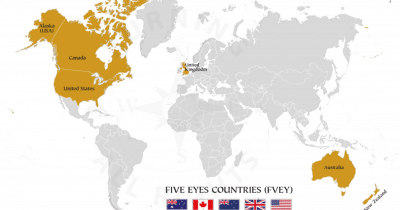
🤖The Five Eyes intelligence alliance has issued a warning that artificial intelligence could enable significantly more severe cyberattacks within months, driven by AI's ability to increase attack sophistication and lower barriers to entry for malicious actors. The alert underscores the urgent need for comprehensive cybersecurity infrastructure upgrades across government and private sectors.
CryptoBullishCrypto Briefing · Jun 237/10
⛓️The Trump administration has issued an executive order mandating that the US government complete its migration to post-quantum cryptography by 2030. This accelerated timeline reflects growing concerns about quantum computing threats to current encryption standards and represents a significant shift in national cybersecurity priorities.
AIBearishAI News · Jun 237/10
🧠Five Eyes intelligence agencies issued a rare joint warning on June 22, 2026, alerting the public that AI-driven cyber threats will impact individuals and organizations within months rather than years. The coordinated briefing from the US, UK, Canada, Australia, and New Zealand signals that AI-powered cyberattacks have moved from theoretical risk to imminent practical threat.
GeneralBearishDaily Hodl · Jun 237/10
📰The Texas Parks and Wildlife Department experienced a major data breach affecting over 3 million customers after hackers compromised a vendor system managing hunting and fishing licenses. Exposed information includes driver's license numbers, passport information, email addresses, phone numbers, and residential addresses, highlighting significant vulnerabilities in state government infrastructure.
AIBullishCoinDesk · Jun 237/10
🧠The Trump administration signed dual executive orders to accelerate quantum computing development in the U.S. while simultaneously implementing defenses against quantum threats to encryption. This dual approach addresses both competitive positioning and cybersecurity risks posed by advanced quantum machines.
AIBearishCrypto Briefing · Jun 237/10
🧠The Five Eyes intelligence alliance has issued a warning that emerging AI models present significant cybersecurity risks that could materialize within months. The alert underscores the urgent need for stronger cyber defenses and regulatory frameworks to address AI-driven threats before they become widespread.