#macro-economics News & Analysis
Recent coverage of #macro-economics has been dominated by bearish sentiment, with 61.6% of articles in the past 30 days adopting a negative tone. Only 13.4% expressed bullish views, while 25% remained neutral. The 112 articles published over this period represent a substantial portion of the 138 total pieces indexed under this tag, signaling sustained focus on macroeconomic developments.
Discussion of macroeconomic conditions frequently intersects with coverage of geopolitical risk, inflation, and energy markets. Bitcoin and Ethereum remain the primary asset tickers mentioned alongside macro analysis. Sentiment has remained relatively stable compared to the prior quarter, shifting only 1.1 percentage points on the bullish measure. Scan the articles below to explore the latest reporting on this topic.
sentiment · last 30d (112 articles)Top sources:Crypto Briefing · 86Fortune Crypto · 19crypto.news · 6CoinTelegraph · 5Blockonomi · 5
Most-discussed entities:Perplexity · 1
GeneralBearishCrypto Briefing · May 107/10
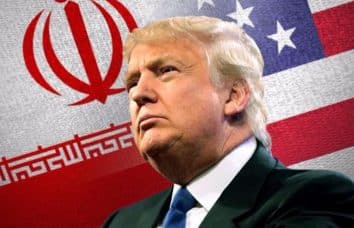
📰Trump's hardline stance toward Iran reduces the likelihood of renewed nuclear diplomacy, potentially prolonging geopolitical tensions in a volatile region. This development carries implications for global energy markets, risk sentiment, and broader macroeconomic conditions that indirectly influence cryptocurrency valuations and investor appetite for risk assets.
GeneralNeutralFortune Crypto · May 87/10
📰The U.S. economy added 115,000 jobs in April, exceeding analyst expectations of 65,000 but showing a notable deceleration from March's 185,000 jobs. This mixed employment signal suggests labor market momentum is cooling while remaining resilient, with implications for Federal Reserve policy decisions.
GeneralBearishCrypto Briefing · May 87/10
📰Steady US unemployment and robust economic growth are expected to prevent Federal Reserve rate cuts through at least mid-2026, as policymakers prioritize inflation control. This extended period of higher interest rates will reshape market expectations and potentially impact risk asset valuations, including cryptocurrency markets that typically benefit from lower-rate environments.
GeneralNeutralCrypto Briefing · May 87/10
📰Geopolitical tensions involving Iran are driving increased profitability for energy, banking, and defense sector firms, reflecting how regional conflicts create winners and losers across different industries. This dynamic underscores the relationship between geopolitical instability and market behavior, with broader implications for global economic stability and peace prospects.
GeneralBearishcrypto.news · May 77/10
📰US jobless claims fell to 200,000 for the week ending May 2, beating expectations and signaling continued labor market strength. This resilient employment data increases pressure on the Federal Reserve to maintain higher interest rates for longer, potentially delaying or reducing the scope of anticipated rate cuts.
CryptoBearishCrypto Briefing · May 47/10
⛓️Federal Reserve official John Williams' recent inflation comments have reduced market expectations for rate cuts in June 2026, signaling the Fed may maintain a more restrictive monetary policy stance longer than previously anticipated. This shift reflects persistent inflation concerns and geopolitical economic risks that could constrain cryptocurrency and broader financial market performance.
GeneralBearishCrypto Briefing · May 47/10
📰Barclays forecasts that the Federal Reserve will not cut interest rates until 2027, citing persistent inflation and oil price volatility as key constraints. This extended period of elevated rates threatens to suppress economic growth, potentially reducing investment activity and consumer spending across multiple sectors.
GeneralBearishCrypto Briefing · May 47/10
📰Escalating geopolitical tensions with Iran have driven oil prices to four-year highs, creating inflationary pressure that threatens U.S. economic stability and complicates President Trump's policy agenda. Sustained elevated energy costs could influence broader macroeconomic decisions and consumer sentiment during his administration.
GeneralBearishCrypto Briefing · May 47/10
📰The United Arab Emirates' withdrawal from OPEC threatens the cartel's unity and production coordination, potentially driving sustained elevated crude oil prices. The exit compounds existing market pressures from geopolitical tensions and supply disruptions, with implications for energy-dependent sectors and macroeconomic conditions affecting cryptocurrency markets.
GeneralBearishCrypto Briefing · May 47/10
📰The Bank of Japan intervened in the forex market to stabilize the yen amid escalating US-Iran geopolitical tensions. This central bank action signals growing concerns about global economic instability and could influence Federal Reserve rate decisions while introducing additional volatility to cryptocurrency markets.
$BTC
GeneralNeutralCrypto Briefing · May 37/10
📰The White House is considering increased U.S. oil production in response to Iran tensions, with potential to stabilize global energy markets. Higher domestic oil output could moderate inflation pressures and influence Federal Reserve monetary policy decisions going forward.
GeneralBearishCrypto Briefing · May 37/10
📰Middle East geopolitical tensions are driving speculation about European Central Bank rate cuts as policymakers weigh recession risks against potential inflation from elevated energy costs. The conflict creates a policy dilemma where stimulus measures intended to support economic growth could be undermined by supply-side energy shocks.
GeneralBearishCrypto Briefing · May 37/10
📰The US maintains economic pressure on Iran through sustained blockades, with little likelihood of sanctions relief under Trump before May 31. This geopolitical tension threatens to amplify oil market volatility and could strain broader international diplomatic efforts, with potential ripple effects across energy markets and cryptocurrency valuations.
GeneralBearishCrypto Briefing · May 37/10
📰Iran's demand for a ceasefire has pushed US nuclear talks past April 22, creating uncertainty in global markets. The delay threatens to exacerbate regional tensions and could significantly impact oil prices and market stability, with ripple effects across cryptocurrency and traditional markets.
GeneralNeutralCrypto Briefing · May 27/10
📰Iran's oil production strategy could prevent WTI crude from exceeding $150 per barrel in May 2026 by increasing global supply and challenging U.S. market dominance. The geopolitical shift in oil markets has implications for energy prices, cryptocurrency volatility, and broader macroeconomic stability.
GeneralNeutralCrypto Briefing · May 27/10
📰OPEC+ has increased oil output quotas despite geopolitical tensions including potential Strait of Hormuz closure, a critical chokepoint for global energy supply. The move aims to stabilize prices while managing supply chain risks, though market volatility is expected to persist.
CryptoBearishCrypto Briefing · May 27/10
⛓️Bitcoin faces headwinds as rising US 30-year Treasury yields make risk assets less attractive to investors. Coupled with geopolitical tensions, these macroeconomic conditions are expected to constrain Bitcoin's near-term price appreciation potential.
$BTC
GeneralBullishCrypto Briefing · May 27/10
📰The USS Gerald R. Ford carrier strike group's departure from the Middle East signals a partial de-escalation of US military presence in the region, potentially reducing geopolitical tensions with Iran and easing concerns about disruptions to global oil traffic.
GeneralBearishCrypto Briefing · May 17/10
📰Exxon's oil production has declined 6% due to disruptions in the Strait of Hormuz stemming from US-Iran tensions, highlighting how geopolitical conflicts directly impact global energy supply and inflation dynamics. This supply shock carries broader macroeconomic implications that could influence cryptocurrency and traditional asset valuations.
GeneralNeutralCrypto Briefing · May 17/10
📰The U.S. has intensified sanctions against Iran, which analysts suggest may stabilize global oil markets by reducing immediate geopolitical tensions and encouraging economic diplomacy rather than military escalation. This development carries implications for energy prices and broader macroeconomic conditions affecting cryptocurrency and traditional asset markets.
GeneralBearishCrypto Briefing · May 17/10
📰Major US oil producers ExxonMobil and Chevron are resisting government pressure to increase oil output despite an ongoing energy crisis. Their refusal to expand production could sustain elevated oil prices globally, creating economic headwinds and amplifying geopolitical tensions around energy security.
GeneralBearishCrypto Briefing · May 1🔥 8/10
📰Exxon's CEO has warned that supply constraints in the Middle East could sustain higher WTI crude oil prices, with potential ripple effects across global markets and economic stability. This geopolitical concern directly impacts energy markets and, indirectly, broader macroeconomic conditions affecting risk asset valuations including cryptocurrencies.
GeneralBearishCrypto Briefing · May 1🔥 8/10
📰Escalating US-Iran geopolitical tensions are expected to create volatility in crude oil markets, with WTI prices potentially rising through May 2026. This instability threatens broader economic conditions and commodity pricing, with potential ripple effects across global markets including cryptocurrency and traditional assets.
GeneralNeutralCrypto Briefing · May 17/10
📰Renewed diplomatic talks between the US and Venezuela regarding oil collaboration could increase global crude supply, potentially exerting downward pressure on oil prices. This geopolitical shift may stabilize energy markets and reshape international relations, with ripple effects across commodities and macroeconomic conditions.
GeneralBearishCrypto Briefing · May 17/10
📰The UAE's withdrawal from OPEC represents a significant shift in global oil market dynamics, potentially weakening the cartel's collective bargaining power and stability. This move is expected to increase crude oil price volatility and create geopolitical tensions as supply concerns mount in the absence of unified OPEC coordination.