GeneralBullishCrypto Briefing · Apr 177/10
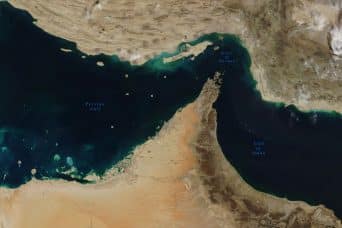
📰Iran has reopened the Strait of Hormuz following diplomatic progress in US-Iran negotiations, signaling a potential reduction in regional tensions. This development carries significant implications for global oil markets and cryptocurrency volatility, as geopolitical stability directly influences energy prices and risk asset valuations.
GeneralBullishCrypto Briefing · Apr 177/10
📰Iraq has resumed oil exports through its southern ports after a month-long disruption related to Strait of Hormuz tensions, signaling a potential de-escalation of regional geopolitical risks. The resumption reduces immediate conflict concerns and stabilizes global oil supply expectations, with implications for energy prices and macro market conditions that influence cryptocurrency volatility.
GeneralNeutralCrypto Briefing · Jun 256/10
📰The European Union has approved a trade deal with the United States ahead of Trump's July 4 deadline, stabilizing trans-Atlantic economic relations. However, the agreement's long-term viability faces risks from potential future political shifts that could alter or challenge its terms.
GeneralNeutralCrypto Briefing · May 116/10
📰Iran has indicated willingness to downblend highly enriched uranium as part of ongoing US-Iran nuclear negotiations. This diplomatic gesture aims to demonstrate compliance with international nuclear standards and reduce geopolitical tensions that have historically created volatility in global markets, particularly affecting energy prices and risk assets.
GeneralNeutralCrypto Briefing · May 116/10
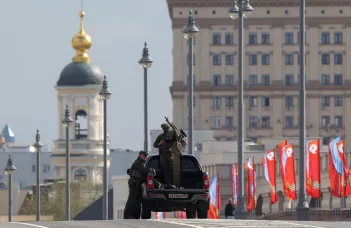
📰Russia has paused large-scale military strikes on Ukraine following a May 9 ceasefire agreement, potentially easing immediate energy market volatility. However, ground combat continues and diplomatic obstacles remain unresolved, limiting the scope of this temporary de-escalation.
GeneralNeutralCrypto Briefing · May 47/10
📰Russian military desertions are rising amid the Ukraine conflict, signaling serious morale problems within Russian forces. This deterioration could weaken military effectiveness and create openings for diplomatic resolution, though geopolitical uncertainty remains high.