Real-time AI-curated news from 94,742+ articles across 50+ sources. Sentiment analysis, importance scoring, and key takeaways — updated every 15 minutes.
DeFiBullishBlockonomi · Jun 97/10
💎Hyperliquid (HYPE) token surged 10% to $64 following Coinbase's appointment as USDC deployer with $32 million staked, signaling institutional confidence in the platform. Kraken's addition of HYPE staking and analyst Citrini's positive assessment further bolstered market sentiment.
CryptoBullishBlockonomi · Jun 97/10
⛓️TON Strategy generated $5.6M in staking rewards during May with a 17.80% annualized yield, while the Toncoin network implemented major upgrades on June 4 designed to enhance validator efficiency and network throughput. These developments signal strengthening fundamentals for the TON ecosystem amid growing staking participation.
GeneralBearishCrypto Briefing · Jun 9🔥 8/10
📰Israel conducted a strike on an Iranian petrochemical complex, triggering volatility across crypto and oil markets. The incident escalates Middle Eastern tensions and raises concerns about energy supply disruptions and broader macroeconomic instability affecting risk assets.
GeneralNeutralBlockonomi · Jun 97/10
📰Oil prices declined as Iran-Israel tensions eased, but analysts warn of potential $100+ crude prices ahead due to Strait of Hormuz blockages and depleted stockpiles. The market faces competing pressures between geopolitical de-escalation and fundamental supply constraints that could drive prices significantly higher.
GeneralBearishBlockonomi · Jun 9🔥 8/10
📰The U.S. Department of Defense has added Alibaba, Baidu, and BYD to its list of Chinese military-connected entities, effectively barring these companies from U.S. defense contracts. The designations triggered stock declines as the firms announced plans to challenge the classifications legally.
GeneralBullishCrypto Briefing · Jun 97/10
📰Iran and Israel have agreed to halt military strikes, reducing immediate geopolitical tensions in the Middle East. This ceasefire is expected to stabilize global oil markets by decreasing volatility and removing a significant risk premium from energy prices, which could ease inflationary pressures across global economies.
CryptoBullishU.Today · Jun 97/10
⛓️XRP has entered Santiment's 'Fair Buy' zone following an 8% decline driven by retail investor capitulation. The price movement coincides with increased tokenization activity on the XRP Ledger and ongoing Senate lobbying efforts regarding the Clarity Act, a regulatory measure expected to significantly impact the cryptocurrency industry.
$XRP🏢 Meta
GeneralBearishCrypto Briefing · Jun 9🔥 8/10
📰Israeli airstrikes in southern Lebanon are intensifying amid conflict with Hezbollah, significantly reducing prospects for a ceasefire and complicating diplomatic peace efforts. The escalation heightens regional instability and geopolitical risk factors that could affect global markets, including cryptocurrency and commodities.
AIBearishAI News · Jun 97/10
🧠Autonomous AI agents in DevOps environments are accelerating software deployment but simultaneously creating new security vulnerabilities through internal tool failures. The article highlights how authorized AI systems can cause catastrophic data loss faster than traditional external threats, exposing a critical blind spot in enterprise security strategies.
CryptoBullishCrypto Briefing · Jun 97/10
⛓️The UN Development Programme has established a Blockchain Advisory Group comprising 26 member organizations to shape global blockchain standards and policy frameworks. This initiative aims to promote ethical technology adoption and influence international blockchain governance, positioning the UN as a key player in standardizing crypto and blockchain development worldwide.
GeneralBearishCrypto Briefing · Jun 9🔥 8/10
📰An Iranian missile strike damaged a house in an Israeli West Bank settlement with no reported casualties. The incident reflects escalating regional tensions and underscores the fragile security dynamics in the Middle East, with potential implications for broader geopolitical stability.
GeneralNeutralCrypto Briefing · Jun 97/10
📰Bank of England official Taylor signals interest rates will remain on hold unless a severe worst-case scenario materializes, reflecting cautious monetary policy amid geopolitical tensions. This stance influences investment strategies across traditional and speculative assets, including cryptocurrencies.
AIBullishFortune Crypto · Jun 97/10
🧠OpenAI has filed confidential SEC paperwork to prepare for an IPO, acknowledging that sensitive information will likely leak publicly and choosing to announce the filing preemptively rather than have details emerge through other channels.
🏢 OpenAI
GeneralBearishCrypto Briefing · Jun 9🔥 8/10
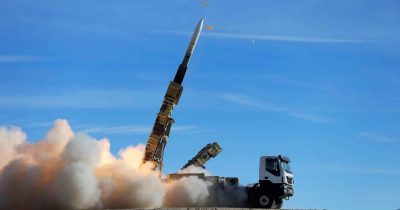
📰Iran conducted missile attacks on Israel, escalating Middle Eastern tensions and raising concerns about broader regional conflict. This geopolitical escalation typically triggers risk-off sentiment in financial markets, including cryptocurrency, as investors flee to safe-haven assets during periods of military uncertainty.
GeneralNeutralCrypto Briefing · Jun 97/10
📰Former President Trump announced he expects an Iran peace deal within two or three days, signaling renewed diplomatic engagement despite recent halted exchanges between the parties. Such a development could significantly impact geopolitical stability and consequently influence cryptocurrency and traditional markets sensitive to Middle East tensions.
CryptoBearishCrypto Briefing · Jun 97/10
⛓️Escalating military tensions between Israel and Iran triggered explosions in Tehran, coinciding with Bitcoin's decline toward the $63,000 level. The geopolitical crisis underscores how regional conflicts create market volatility and reinforces the importance of monitoring diplomatic developments for cryptocurrency investors.
$BTC
AINeutralBlockonomi · Jun 97/10
🧠OpenAI has confidentially filed for a US IPO targeting a $1 trillion valuation, joining Anthropic and SpaceX in a wave of major tech companies pursuing public market listings. Despite generating $2 billion in monthly revenue, the company projects no profitability until 2030, raising questions about the sustainability of its business model.
🏢 OpenAI🏢 Anthropic🧠 ChatGPT
CryptoBullishCoinDesk · Jun 97/10
⛓️Coinbase and Cardless have launched a credit card secured by stablecoin collateral, targeting consumers who cannot qualify for traditional unsecured credit products. This innovation bridges cryptocurrency and traditional finance by enabling stablecoin holders to access credit while maintaining exposure to their digital assets.
AI × CryptoBearishcrypto.news · Jun 97/10
🤖Sahara AI experienced a 55% price crash amid allegations of a 600M token dump. The team denied insider selling, claiming the transfer funded infrastructure development for a Chainlink CCIP bridge, raising questions about communication transparency and token allocation practices.
$LINK
CryptoBearishBlockonomi · Jun 97/10
⛓️Bitcoin experienced a significant 14% decline last week following Strategy's first BTC sale since 2022, sparking concerns about forced selling and market stability. The move has drawn criticism from institutional players like Arca's CIO, who disputes the company's AI-related justifications for the sale.
$BTC
CryptoBearishBlockonomi · Jun 97/10
⛓️Humanity Protocol (H) experienced a catastrophic $30M security breach involving compromised private keys, triggering an 85% token price collapse. The incident highlights critical vulnerabilities in protocol security infrastructure and raises concerns about asset custody practices within emerging cryptocurrency projects.
GeneralBearishCrypto Briefing · Jun 97/10
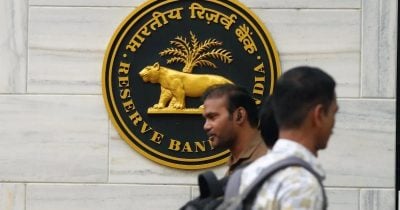
📰India's Reserve Bank has accumulated over $110 billion in a forex defense mechanism as the rupee weakens against the dollar. The RBI's aggressive intervention strategy to support the currency may deplete reserves over time, potentially undermining investor confidence and creating conditions that could drive interest toward alternative assets like cryptocurrency.
DeFiBullishBitcoinist · Jun 97/10
💎RippleX Developers announced that formal verification efforts on the XRP Ledger are expanding beyond the Payment Engine to cover newer DeFi protocols, including Single Asset Vault and an upcoming Lending Protocol. This shift represents a strategic commitment to mathematically proving protocol correctness before deploying complex financial features, enhancing security in high-risk environments.
$XRP
DeFiBearishcrypto.news · Jun 97/10
💎THORChain, a cross-chain liquidity protocol, has initiated an 11-step recovery plan following a $10.7M security breach. The network is requesting validator approval for version 3.19.0, which implements enhanced security measures including vault quarantine systems and transaction signature (TSS) verification checks before resuming liquidity and trading operations.
CryptoBearishCrypto Briefing · Jun 9🔥 8/10
⛓️Military escalation between Israel and Iran, involving airstrikes on central Tehran, has triggered volatility across cryptocurrency markets. The incident underscores how geopolitical conflicts expose the operational fragility of crypto exchanges and trading platforms located in or connected to conflict zones.