Models, papers, tools. 11,608 articles with AI-powered sentiment analysis and key takeaways.
Ukraine is accelerating its deployment of military robots on the battlefield to reduce human casualties and mitigate risks from drone warfare. This shift reflects broader geopolitical trends where autonomous systems are becoming critical force multipliers in modern conflict zones.
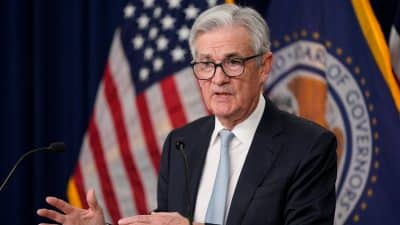
Federal Reserve official Austan Goolsbee warned that rate cuts could be delayed until 2027 if geopolitical tensions in Iran sustain elevated oil prices and keep inflation above the Fed's 2% target. This statement signals the central bank's concern that external shocks may constrain monetary policy flexibility beyond previously anticipated timelines.
U.S. President Donald Trump has imposed a naval blockade on Iran's ports, warning the country will no longer be allowed to "extort the world" through economic coercion. Trump suggests diplomatic negotiations are progressing with qualified parties despite the escalatory enforcement measure.
AI stocks that dominated market gains for three years have stalled in 2026, while energy stocks surged nearly 30% due to geopolitical tensions and an Iran-related energy shock. This sector rotation signals a fundamental shift in investor priorities away from artificial intelligence toward traditional energy infrastructure.
Trump's renewed threats to target Iran's critical infrastructure, including power grids and water desalination plants, have escalated geopolitical tensions as a naval blockade reportedly goes into effect. Legal experts have flagged these actions as potential war crimes, creating significant uncertainty in global markets that could impact energy prices, risk assets, and cryptocurrency volatility.
The US Navy's blockade of Iranian ports commenced Monday morning, causing Brent crude to surge above $103 and WTI to $104. The geopolitical action directly impacts global oil prices and inflation pressures affecting American household costs.
Former President Trump has threatened military action against Iran's remaining ships as part of a proposed blockade, with Iran's lead negotiator warning that such measures could drive gas prices to $4-5 per gallon. The rhetoric reflects escalating U.S.-Iran tensions and raises concerns about potential disruption to global energy markets and geopolitical stability.
An analyst argues that a U.S. naval blockade on Iran would trigger currency devaluation and hyperinflation, creating economic pressure that could incentivize Iranian leadership to negotiate and potentially end the conflict faster. The strategy leverages economic leverage as a geopolitical tool.