GeneralBearishCrypto Briefing · May 6🔥 8/10
AI Pulse News
Models, papers, tools. 85,027 articles with AI-powered sentiment analysis and key takeaways.
85027 articles
GeneralBearishCrypto Briefing · May 6🔥 8/10

GeneralBearishCrypto Briefing · May 6🔥 8/10
GeneralBearishCrypto Briefing · May 6🔥 8/10

GeneralBearishFortune Crypto · May 5🔥 8/10

GeneralBearishCrypto Briefing · May 5🔥 8/10
GeneralBearishCrypto Briefing · May 5🔥 8/10
GeneralBearishCrypto Briefing · May 5🔥 8/10
GeneralBearishCrypto Briefing · May 5🔥 8/10

GeneralBearishCrypto Briefing · May 5🔥 8/10
GeneralBearishCrypto Briefing · May 5🔥 8/10
GeneralBearishCrypto Briefing · May 5🔥 8/10

GeneralBearishCrypto Briefing · May 5🔥 8/10
GeneralBearishCrypto Briefing · May 4🔥 8/10

GeneralBearishCrypto Briefing · May 4🔥 8/10
📰
IMF warns of severe economic impact if US-Iran conflict extends into 2027
The IMF has warned that a prolonged US-Iran conflict extending into 2027 could trigger severe global economic consequences, including economic slowdown, persistent inflation, and constrained Federal Reserve rate-cutting cycles. The geopolitical tension threatens financial stability across markets and could significantly impact investor sentiment and asset valuations.

GeneralBearishCrypto Briefing · May 4🔥 8/10
📰
Iran-UAE tensions hit S&P 500 sentiment, opening odds plummet
Iran-UAE geopolitical tensions are weighing on S&P 500 sentiment and depressing opening odds for equities. The escalating regional conflict threatens to increase market volatility, trigger risk-aversion across asset classes, and disrupt global trade and energy markets.
GeneralBearishCrypto Briefing · May 4🔥 8/10
📰
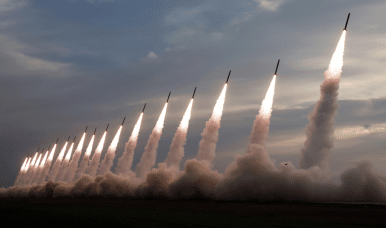
Israel intensifies military operations in Lebanon, issues new displacement orders
Israel has intensified military operations in Lebanon and issued new displacement orders, escalating regional tensions. The heightened conflict threatens to prolong geopolitical instability and delay peace negotiations, with potential ripple effects on global markets and crypto sentiment.
GeneralBearishCrypto Briefing · May 4🔥 8/10
📰
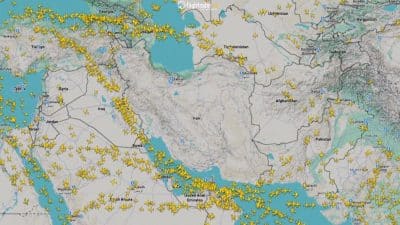
44 Iranian seafarers killed amid US-Israeli conflict escalation
44 Iranian seafarers were killed in an incident amid escalating US-Israeli tensions, highlighting growing geopolitical instability in a critical shipping region. The deaths underscore mounting regional conflict that could trigger economic disruptions affecting global trade, energy markets, and cryptocurrency volatility.
GeneralBearishCrypto Briefing · May 4🔥 8/10
📰
Israel ready to resume military operations against Iran, awaits US approval
Israel signals readiness to resume military operations against Iran pending US approval, raising concerns about regional destabilization. Potential escalation in Middle Eastern tensions could influence global risk sentiment and cryptocurrency market volatility as investors reassess geopolitical risk exposure.

GeneralBearishCrypto Briefing · May 4🔥 8/10
📰
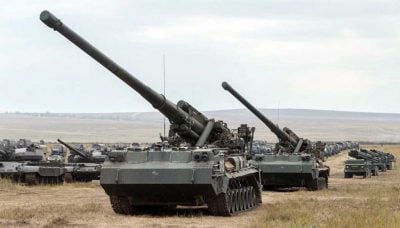
Russia warns of missile strike on Kyiv if Victory Day disrupted
Russia has threatened missile strikes on Kyiv if Victory Day celebrations are disrupted, escalating military tensions between Russia and Ukraine. The warning reflects deteriorating ceasefire prospects and increased geopolitical instability that complicates diplomatic resolution efforts.
GeneralBearishCrypto Briefing · May 4🔥 8/10
📰
$200B erased from US markets amid escalating US-Iran tensions
US-Iran geopolitical tensions triggered a $200 billion market decline across equities and cryptocurrencies, demonstrating how escalating international conflicts drive widespread risk aversion and volatility across asset classes. The selloff reflects investor concerns about potential economic disruption from regional instability.

GeneralBearishCrypto Briefing · May 4🔥 8/10
📰
Putin announces temporary ceasefire in Ukraine conflict amid ongoing hostilities
Russian President Putin announced a temporary ceasefire in the Ukraine conflict, though ongoing hostilities suggest this represents a strategic pause rather than a path toward lasting peace. Market participants view the development with skepticism, reflecting concerns about the durability of any agreement and its implications for global stability and risk assets.

GeneralBearishCrypto Briefing · May 4🔥 8/10
📰
Iran declares unauthorized Hormuz vessels as legitimate targets amid US tensions
Iran has declared unauthorized vessels in the Strait of Hormuz as legitimate targets, escalating tensions with the US. This geopolitical development poses significant risks to global oil supply chains, potentially triggering market volatility across energy and cryptocurrency markets.
GeneralBearishCrypto Briefing · May 4🔥 8/10
📰
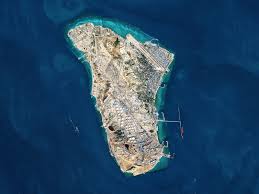
Iran attack on UAE spikes oil prices above $105, impacting crypto sentiment
Escalating geopolitical tensions between Iran and the UAE have driven oil prices above $105 per barrel, triggering broader risk-aversion sentiment that threatens to dampen cryptocurrency market confidence. The spike in crude prices reflects heightened macro instability, potentially constraining crypto investor appetite during an already volatile period.

GeneralBearishCrypto Briefing · May 4🔥 8/10
📰
Zelensky unveils military reforms, signals extended Ukraine conflict
Ukrainian President Zelensky has announced military reforms that signal an expectation of prolonged conflict rather than near-term resolution. This development reshapes market expectations around the Ukraine-Russia war's duration, reducing the probability of an imminent ceasefire and suggesting investors should prepare for extended geopolitical tension.