
US crude oil inventories drop 6.75M barrels, nearly double the forecast
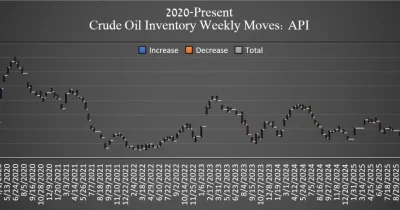
US crude oil inventories fell by 6.75 million barrels, nearly double the forecasted decline, signaling tighter supply conditions. This sharper-than-expected drop is poised to exert upward pressure on oil prices, with ripple effects across global energy markets and potential implications for macroeconomic policy and cryptocurrency valuations tied to energy costs.
The unexpected magnitude of the crude oil inventory decline represents a significant supply-side development in energy markets. When inventories contract more sharply than anticipated, it typically reflects either stronger-than-expected demand, supply disruptions, or strategic drawdowns. This 6.75 million barrel decrease—nearly double consensus forecasts—suggests tightening market conditions that typically drive price appreciation in crude futures and related energy commodities. For the broader macroeconomic landscape, elevated oil prices increase inflationary pressures and influence central bank monetary policy decisions, which in turn affect risk asset valuations including cryptocurrencies.
Historically, inventory data serves as a leading indicator for energy sector fundamentals and global economic activity. The magnitude of this miss relative to forecasts indicates either improved demand recovery, supply-side constraints from refinery issues or geopolitical factors, or strategic petroleum reserve activity. Energy markets operate as a critical input cost for miners and blockchain infrastructure operators, making oil price movements relevant to cryptocurrency operational expenses and profitability metrics.
For investors and market participants, this development carries multiple implications. Higher oil prices can accelerate inflation expectations, potentially constraining liquidity conditions that support risk assets. Energy-intensive industries including cryptocurrency mining face margin compression if sustained price increases persist. Conversely, energy sector equities and commodity positions may experience appreciation, creating portfolio rebalancing dynamics. Traders should monitor downstream consequences including potential OPEC policy responses and whether this signals demand strength or supply disruption, as these distinctions carry different implications for broader economic growth trajectories and asset class correlations.
- →Crude oil inventories declined 6.75M barrels, nearly double the 3.5M barrel consensus forecast, indicating tighter supply conditions.
- →Sharper-than-expected inventory declines typically drive oil prices higher, increasing energy costs across global markets and industries.
- →Higher oil prices amplify inflation concerns, influencing central bank policy and affecting valuations of risk assets including cryptocurrencies.
- →Energy-intensive sectors like cryptocurrency mining face margin compression if elevated oil prices persist long-term.
- →Investors should monitor OPEC responses and distinguish between demand-driven vs. supply-driven inventory declines for accurate market outlook.