#energy-markets News & Analysis
Coverage of #energy-markets has been extensive in recent weeks, with 289 articles published in the last 30 days across the aggregator's sources. The sentiment around energy markets remains heavily bearish, with 66.1% of recent coverage reflecting pessimistic outlooks, while neutral perspectives account for 23.9% and bullish views represent just 10% of articles. This bearish tilt has remained essentially stable compared to the previous quarter.
Discussion of energy markets frequently intersects with geopolitical risk assessment, particularly coverage related to the Strait of Hormuz and Iran. Bitcoin and ethereum price movements appear in some energy-market conversations, though these represent a small portion of overall coverage. Scan the article list below to explore how recent energy developments are being reported across outlets including Crypto Briefing, Fortune Crypto, and Blockonomi.
sentiment · last 30d (289 articles)Top sources:Crypto Briefing · 254Fortune Crypto · 21Blockonomi · 8crypto.news · 8CoinTelegraph · 4
GeneralNeutralCrypto Briefing · Jun 77/10
📰OPEC+ is planning its fourth consecutive oil quota increase to stabilize global oil markets amid geopolitical tensions threatening the Strait of Hormuz. The move aims to balance supply security with price volatility concerns in an uncertain geopolitical environment.
GeneralNeutralFortune Crypto · Jun 67/10
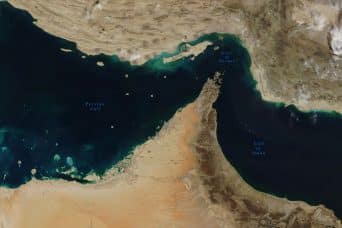
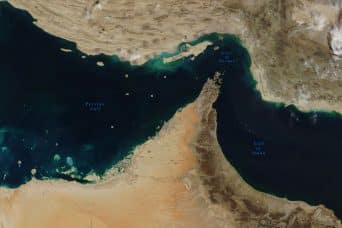
📰The U.S. military shot down Iranian attack drones in the Strait of Hormuz, demonstrating continued American naval presence in one of the world's most critical shipping chokepoints. U.S. Central Command stated the drones posed an immediate threat to regional maritime traffic, highlighting ongoing tensions that could impact global energy markets and trade routes.
CryptoNeutralCrypto Briefing · Jun 67/10
⛓️The White House confirmed a meeting between U.S. envoy Steve Witkoff and Iranian Foreign Minister Abbas Araghchi in Oman, with follow-up discussions scheduled for the following Saturday. The geopolitical talks have direct implications for cryptocurrency and prediction markets, as they influence energy prices and highlight how digital asset markets respond to international tensions and uncertainty.
GeneralBearishFortune Crypto · Jun 6🔥 8/10
📰Ukraine has escalated military operations targeting St. Petersburg following Putin's refusal to engage in peace negotiations, while Russian forces continue sustained attacks on Ukrainian territory resulting in at least 12 civilian deaths and over 70 injuries in a single day. The conflict intensification signals a prolonged military stalemate with no diplomatic resolution in sight.
GeneralBearishCrypto Briefing · Jun 67/10
📰Major General Rezaei reports that Trump administration actions have stalled US-Iran negotiations, potentially prolonging regional instability and complicating efforts to resolve nuclear tensions. The diplomatic deadlock raises concerns about the prospects for achieving a lasting nuclear agreement.
GeneralBearishCrypto Briefing · Jun 67/10
📰U.S. crude oil stockpiles have fallen to their lowest level since 2004, driven by geopolitical tensions with Iran. This supply constraint threatens to increase oil price volatility and create broader economic instability with ripple effects across global markets.
GeneralBearishCrypto Briefing · Jun 6🔥 8/10
📰Iran has threatened to completely close the Strait of Hormuz following missile attacks on US military bases, potentially disrupting global energy supplies. Such a blockade would create significant geopolitical instability and could ripple through financial markets, including cryptocurrency valuations tied to macroeconomic conditions.
GeneralBearishCrypto Briefing · Jun 6🔥 8/10
📰Iran has launched large-scale military attacks against US forces stationed in Kuwait and Bahrain, marking a significant escalation in regional tensions. This military action threatens to destabilize global energy markets, trigger broader armed conflict, and damage international diplomatic efforts, with potential ripple effects across financial markets including cryptocurrency.
GeneralBearishCrypto Briefing · Jun 6🔥 8/10
📰Iran's crude oil exports collapsed 84% in May 2024 due to intensified US sanctions and blockade measures, creating significant disruptions to global energy markets. This sharp decline threatens Asian refinery operations and could escalate geopolitical tensions while potentially affecting energy-sensitive sectors including cryptocurrency mining operations that rely on stable power costs.
GeneralBearishCrypto Briefing · Jun 5🔥 8/10
📰Putin has confirmed direct talks with the US regarding potential military operations involving Cuba, escalating geopolitical tensions that could destabilize global markets. The development threatens energy supply chains and traditional market stability, potentially driving increased demand for cryptocurrency as a hedge asset amid macroeconomic uncertainty.
GeneralBearishCrypto Briefing · Jun 57/10
📰Diplomatic negotiations between Iran and the US remain stalled, with prospects for reaching a nuclear agreement by June growing increasingly unlikely. The impasse threatens regional stability and could influence global geopolitical dynamics, including energy markets and risk sentiment across asset classes.
GeneralNeutralCrypto Briefing · Jun 57/10
📰The International Atomic Energy Agency (IAEA) chief signals that the US and Iran are approaching a nuclear framework agreement, potentially reducing regional tensions. Such a diplomatic breakthrough could reshape geopolitical risk premiums and influence market sentiment across commodities, equities, and cryptocurrencies that are sensitive to geopolitical instability.
GeneralNeutralCrypto Briefing · Jun 5🔥 8/10
📰Ukrainian President Volodymyr Zelenskyy has proposed direct peace talks with Russian President Vladimir Putin through an open letter, signaling a potential diplomatic shift. Such negotiations could alleviate global energy and agricultural market disruptions, with implications for broader geopolitical stability and financial markets.
GeneralBearishCrypto Briefing · Jun 5🔥 8/10
📰Iran's military conducted warning missile and drone operations against US warships in the Gulf of Oman, escalating regional tensions. The incident heightens risks to global maritime trade and energy supplies, with potential implications for market volatility and geopolitical risk premiums across asset classes.
AIBullishCrypto Briefing · Jun 57/10
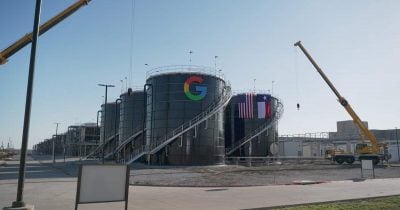
🧠Google announced a $40 billion investment in Texas for data center and energy infrastructure, including the new Meitner Energy Center. The massive capital deployment underscores the escalating energy demands driving AI and cloud computing expansion, with significant implications for regional economies and electricity markets.
GeneralNeutralCrypto Briefing · Jun 57/10
📰The US House has voted to end military involvement in Iran conflict, signaling a potential shift in US foreign policy. This decision could have significant implications for global energy markets and may increase regulatory scrutiny on cryptocurrency's role in international transactions and sanctions compliance.
CryptoBearishCrypto Briefing · Jun 4🔥 8/10
⛓️Iran conducted missile and drone attacks on Kuwait and Bahrain, triggering immediate crypto market volatility with $700M in liquidations. The escalation of geopolitical tensions threatens global energy stability and introduces macroeconomic uncertainty that pressures cryptocurrency valuations.
GeneralBearishCrypto Briefing · Jun 4🔥 8/10
📰Mojtaba Khamenei has assumed Iran's supreme leader position amid anticipated 2026 conflict, potentially solidifying existing power structures. This leadership transition carries significant geopolitical implications for regional stability and could influence global market sentiment, particularly affecting oil prices and risk asset valuations.
GeneralBearishCrypto Briefing · Jun 4🔥 8/10
📰Iran's foreign minister claims to have been present during a military strike that allegedly killed Supreme Leader Ayatollah Khamenei, an assertion that could trigger significant leadership instability in Iran. Such a geopolitical crisis would likely impact global markets, including cryptocurrency and energy sectors, due to increased regional tensions and uncertainty.
GeneralBearishCrypto Briefing · Jun 4🔥 8/10
📰The Trump administration is moving to terminate Russian oil waivers as quickly as possible, according to Secretary of State Marco Rubio's statements to the Senate. This policy shift could significantly increase global oil prices, with cascading effects on inflation, monetary policy, and reduced investment in speculative assets like cryptocurrencies.
GeneralBearishCrypto Briefing · Jun 37/10
📰Escalating tensions between the U.S. and Iran in the Gulf of Oman, involving Iranian targeting of a U.S. military vessel, pose risks to regional stability and global markets. The incident underscores broader geopolitical conflicts that can trigger volatility in cryptocurrency and traditional asset markets.
GeneralBearishCrypto Briefing · Jun 37/10
📰US crude oil futures closed at $96.0 per barrel, marking a 2.4% gain in a single session. The price increase signals potential economic headwinds, as rising energy costs typically ripple through global supply chains, influence policy decisions, and heighten scrutiny of geopolitical tensions and resource availability.
GeneralBullishBlockonomi · Jun 37/10
📰Iran has agreed to negotiate enriched uranium terms in a significant diplomatic shift, while the IRGC confirmed normal Strait of Hormuz transit activity, reducing immediate energy supply disruption risks. Simultaneously, capital flows are rotating from mega-cap tech into AI hardware sector investments, with April JOLTS data supporting Fed pause expectations through June.
GeneralBearishCrypto Briefing · Jun 3🔥 8/10
📰The US conducted a strike on an IRGC communications tower on Qeshm Island near the Strait of Hormuz, a critical global energy chokepoint. Strait traffic normalized to 21.5% of expected June levels, down from 38% the previous week, indicating continued disruption to international shipping routes.
GeneralBearishCrypto Briefing · Jun 17/10
📰A drone strike on a Gulf freight vessel has intensified regional military tensions, threatening critical global trade routes and energy supply chains. The incident raises concerns about potential military escalation and disruption to international commerce and energy markets.