
CryptoBearishNewsBTC · Mar 24🔥 10/10
#interest-rates News & Analysis
The #interest-rates tag covers 152 articles, with 99 published in the last 30 days. Recent coverage has taken a decidedly negative turn, with bearish sentiment dominating at 56.6%, while bullish perspectives account for just 12.1%. This represents a 5.1 percentage point decline in bullish sentiment compared to the previous 90-day period, signaling a softening outlook. Discussion of #interest-rates frequently intersects with #monetary-policy, #inflation, #federal-reserve, and #fed-policy. Bitcoin and Ethereum appear most often in related coverage, alongside mentions of XRP. Crypto Briefing leads coverage with 71 articles, followed by Fortune Crypto and Blockonomi. Explore the articles below for recent developments and analysis.
sentiment · last 30d (99 articles) · -5.1pp bullish vs prior 90d
Top sources:Crypto Briefing · 71Fortune Crypto · 14Blockonomi · 13crypto.news · 12CoinDesk · 11
Most-discussed entities:Nvidia · 1Gemini · 1
602 articles

GeneralNeutralFederal Reserve Press · May 22🔥 8/10
📰
Kevin Warsh takes oath of office as chairman and a member of the Board of Governors of the Federal Reserve System, and the Federal Open Market Committee unanimously selects Warsh as its chairman
Kevin Warsh has been sworn in as chairman of the Federal Reserve Board of Governors and unanimously selected by the Federal Open Market Committee as its chairman. This leadership change at the nation's central bank could significantly influence monetary policy direction and cryptocurrency market dynamics given Warsh's historical perspectives on digital assets and financial markets.
GeneralBearishCrypto Briefing · May 10🔥 8/10
📰
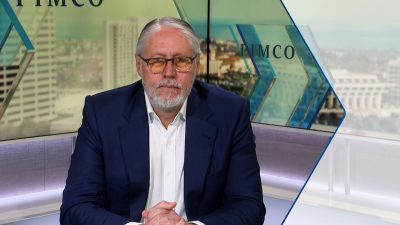
Pimco CIO warns Iran war may prompt Fed to hike rates
Pimco's Chief Investment Officer warns that escalating geopolitical tensions in Iran could force the Federal Reserve to raise interest rates to combat inflation, disrupting economic stability and impacting global markets including cryptocurrency assets.
GeneralBearishCrypto Briefing · May 10🔥 8/10
📰
Pimco warns Iran war could lead Federal Reserve to raise rates
PIMCO warns that potential military conflict with Iran could trigger energy price spikes, forcing central banks including the Federal Reserve to raise interest rates to combat inflation. This geopolitical risk creates a feedback loop where regional tensions could reshape global monetary policy and impact financial markets.
GeneralBearishFortune Crypto · May 9🔥 8/10
📰
The federal government must issue more debt than it expected as cash flow weakens, and ‘the bond market is shouting’
The U.S. federal government must issue more debt than previously anticipated due to weakening cash flows, while bond market signals suggest unprecedented divergence from Federal Reserve policy expectations. This dynamic carries significant implications for interest rates, inflation expectations, and asset valuations across markets.

GeneralBearishCrypto Briefing · May 8🔥 8/10
📰
US-Iran conflict impacts Fed rate cut prospects amid inflation concerns
Escalating US-Iran tensions are creating inflationary pressures that could force the Federal Reserve to maintain higher interest rates longer than previously anticipated, potentially delaying rate cuts and impacting asset valuations across crypto and traditional markets.
GeneralBearishFortune Crypto · May 7🔥 8/10
📰
U.S. Treasury will have to borrow $2 trillion this year just to continue functioning—more than $166 billion every month
The U.S. Treasury must borrow $2 trillion in 2024, requiring over $166 billion in monthly borrowing to maintain government operations. This unsustainable fiscal trajectory increases the risk of a future debt crisis as markets grow less tolerant of continued deficit spending.

GeneralBearishBlockonomi · May 4🔥 8/10
📰
Persistent Inflation Through 2026: How Markets Will React to This New Reality
International financial institutions project inflation will remain elevated through 2026, with the Federal Reserve expected to hold interest rates steady rather than cut them. This prolonged high-rate environment has significant implications for both traditional equities and cryptocurrency valuations.
GeneralBearishFortune Crypto · May 3🔥 8/10
📰
The US is in a league of its own when it comes to its debt burden, as rating agencies bemoan ‘long-running deterioration’ in fiscal governance
US national debt has exceeded the size of the entire economy for the first time, prompting rating agencies to warn of deteriorating fiscal governance. This milestone carries significant implications for borrowing costs across the economy, potentially leading to higher mortgage rates, increased loan expenses, and reduced government spending capacity.

GeneralBearishFortune Crypto · May 2🔥 8/10
📰
Interest on U.S. debt is becoming a top driver of future deficits, as the sheer size of past borrowing overwhelms the fiscal outlook
Rising interest payments on U.S. federal debt are becoming a significant fiscal burden, potentially constraining the Federal Reserve's ability to aggressively raise rates to combat inflation. This 'Fiscal Dominance' scenario creates a policy dilemma where aggressive monetary tightening could trigger financial instability, limiting the Fed's toolkit.

GeneralBearishCrypto Briefing · May 1🔥 8/10
📰
Kashkari warns oil shock could lead to Fed rate hikes amid Iran conflict
Federal Reserve officials, including Neel Kashkari, warn that oil price shocks resulting from Iran-related geopolitical tensions could reignite inflation concerns and potentially force the Fed to maintain higher interest rates longer than expected. This dynamic creates a complex policy environment where external supply shocks may override traditional monetary easing cycles.
GeneralBearishCrypto Briefing · May 1🔥 8/10
📰
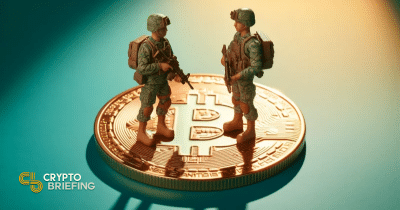
Iran conflict drives oil to $115, central banks adopt hawkish stance
Escalating Iran conflict has pushed crude oil prices to $115 per barrel, triggering a hawkish pivot among central banks that plan to maintain or increase interest rates to combat persistent inflation. This geopolitical shock threatens to extend stagflationary pressures globally, with significant implications for risk assets including cryptocurrencies.
GeneralBearishCrypto Briefing · May 1🔥 8/10
📰
Iran-US conflict escalates, oil hits $125, impacting Fed rate cut outlook
Escalating tensions between Iran and the US have driven oil prices to $125 per barrel, forcing the Federal Reserve to reconsider its monetary policy stance. With inflation pressures mounting from energy costs, the Fed may delay or reduce interest rate cuts, creating headwinds for risk assets including cryptocurrencies.
GeneralBearishCrypto Briefing · May 1🔥 8/10
📰
US inflation jumps in March amid Iran war, Trump tariffs impact
US inflation surged in March, driven by geopolitical tensions including the Iran conflict and Trump administration tariffs. The inflation increase complicates Federal Reserve policy decisions, potentially forcing prioritization of inflation control over economic stimulus measures.
GeneralBearishCrypto Briefing · May 1🔥 8/10
📰
Iran war impacts global energy prices, inflation; Fed rate cuts unlikely in 2026
Escalating tensions in Iran are driving up global energy prices, which threatens to sustain elevated inflation levels worldwide. This geopolitical development reduces the likelihood of Federal Reserve rate cuts in 2026, as policymakers prioritize controlling price pressures over stimulus.
GeneralBearishCrypto Briefing · Apr 20🔥 8/10
📰
Wells Fargo CEO: No rate cuts until Iran conflict ends
Wells Fargo's CEO has signaled that the Federal Reserve will likely hold interest rates steady until geopolitical tensions with Iran de-escalate, citing persistent inflation risks from the conflict. This stance constrains monetary policy flexibility and has broader implications for economic growth and cryptocurrency markets, where rate expectations significantly influence asset valuations.

AI × CryptoBearishCrypto Briefing · Apr 187/10
🤖
Treasury and Fed meet bank CEOs over AI risks, rate hike by 2026 likely
U.S. Treasury and Federal Reserve officials convened with major bank CEOs to discuss systemic risks posed by artificial intelligence. The meeting underscores growing concerns that AI-related financial instability could prompt the Fed to raise interest rates by 2026, signaling potential shifts in monetary policy driven by technological risks rather than traditional economic indicators.

GeneralBearishCrypto Briefing · Apr 17🔥 8/10
📰
Iran war, oil shock create uncertainty in Fed’s policy path: SF Fed’s Daly
San Francisco Federal Reserve President Mary Daly has indicated that geopolitical tensions, particularly involving Iran, and resulting oil price volatility are creating uncertainty around the Fed's monetary policy direction. These external shocks may force the central bank to reassess its interest rate trajectory, with potential ripple effects across global financial markets and cryptocurrency assets.

GeneralBearishCrypto Briefing · Apr 16🔥 8/10

GeneralBearishcrypto.news · Apr 14🔥 8/10
📰
Fed’s Goolsbee warns rate cuts may be delayed until 2027 on Iran war oil shock
Federal Reserve official Austan Goolsbee warned that rate cuts could be delayed until 2027 if geopolitical tensions in Iran sustain elevated oil prices and keep inflation above the Fed's 2% target. This statement signals the central bank's concern that external shocks may constrain monetary policy flexibility beyond previously anticipated timelines.

GeneralBearishBlockonomi · Apr 47/10
📰
Japan’s 10-Year Yield Hits 25-Year High, Signaling Shift in Global Liquidity Trends
Japan's 10-year government bond yield reached 2.393%, its highest level since 1999, signaling a major shift from decades of near-zero interest rate policy. This development threatens to unwind carry trades and reduce global liquidity that has supported stock and cryptocurrency markets.
CryptoBullishNewsBTC · Mar 19🔥 8/10
CryptoNeutralcrypto.news · Mar 167/10
⛓️
Oil, SOFR and a $10m trade just rewrote your crypto macro
A trader made $10 million on SOFR options betting on 'higher for longer' interest rates, demonstrating how macro positioning upstream of crypto generates significant returns. Oil-driven inflation is forcing markets to abandon expectations of early Fed rate cuts, creating major macro trading opportunities.
CryptoNeutralCoinDesk · Mar 117/10
⛓️
Next week could spice things up for bitcoin as seven central banks face an inflation test
Seven major central banks including the Federal Reserve will announce rate decisions next week amid rising oil prices driven by war. This convergence of monetary policy decisions and inflation pressures could significantly impact bitcoin and broader financial markets.

$BTC
CryptoBullishCoinDesk · Mar 9🔥 8/10
⛓️
Bitcoin could be the big winner if the U.S.-Iran conflict drags on for months
Macro strategist Mark Connors suggests that a prolonged U.S.-Iran conflict could benefit Bitcoin through war-driven government spending, increasing national debt, and lower interest rates. These macroeconomic factors could create conditions that support Bitcoin as an alternative store of value.

$BTC
Page 1 of 25Next →