#us-iran-tensions News & Analysis
Coverage of #us-iran-tensions has generated 113 articles over the past month, with sentiment heavily skewed toward bearish outlooks at 84.1%. The small positive sentiment shift of 0.2 percentage points suggests relatively stable market perception despite ongoing developments. Bitcoin, Ethereum, and Solana feature prominently in related discussions, reflecting investor concerns about geopolitical risk and market volatility tied to regional instability.
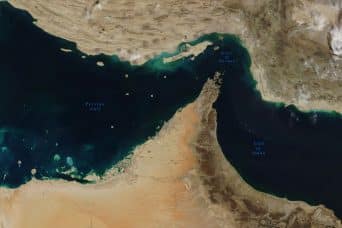
Most reporting comes through Crypto Briefing, with additional coverage from Blockonomi and CoinTelegraph. The topic frequently intersects with broader #geopolitical-risk and #market-volatility conversations, particularly around the Strait of Hormuz. Browse the articles below for recent reporting and analysis.
sentiment · last 30d (113 articles)Top sources:Crypto Briefing · 104Blockonomi · 3CoinTelegraph · 3crypto.news · 2Bitcoinist · 1
GeneralBullishCrypto Briefing · May 17/10
📰A Pakistani oil tanker has exited the Strait of Hormuz as US-Iran tensions show signs of easing. The de-escalation could stabilize the region and boost energy market confidence, though ongoing diplomatic negotiations remain uncertain.
GeneralBearishCrypto Briefing · May 17/10
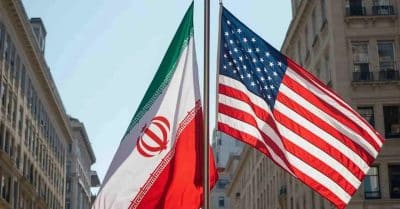
📰Escalating US-Iran diplomatic tensions and growing skepticism regarding potential peace talks threaten geopolitical stability and undermine market confidence. The deterioration in diplomatic prospects signals heightened regional uncertainty that typically pressures risk assets including cryptocurrencies.
GeneralNeutralCrypto Briefing · Apr 307/10
📰Mojtaba Khamenei's involvement in Iranian negotiations signals potential stabilization of Iran's internal political dynamics, which could reduce the likelihood of regime change and reshape regional geopolitical tensions with the United States. This development has implications for global markets, including cryptocurrency adoption in sanctions-affected economies.
GeneralBearishCrypto Briefing · Apr 217/10
📰Iran has accused the United States of committing 'piracy and state terrorism' through actions against Iranian vessels, escalating diplomatic tensions in the region. This rhetorical escalation could complicate ongoing diplomatic efforts and destabilize the geopolitical landscape, with potential ripple effects on global markets and energy security.
GeneralBearishCrypto Briefing · Apr 217/10
📰Escalating US-Iran tensions are contributing to volatility on Wall Street, with ceasefire prospects remaining dim through April. The geopolitical friction threatens to disrupt global oil markets, creating uncertainty that reverberates across asset classes including cryptocurrencies sensitive to macroeconomic conditions.
CryptoBullishCrypto Briefing · Apr 207/10
⛓️Ethereum surged 50% in April as US-Iran geopolitical tensions eased, demonstrating how macroeconomic and geopolitical factors significantly influence cryptocurrency market movements. The rally underscores the broader sensitivity of digital assets to global risk events and their role as alternative stores of value during periods of international uncertainty.
$ETH
CryptoBearishCrypto Briefing · Apr 207/10
⛓️Solana's price declined amid escalating US-Iran geopolitical tensions, though the cryptocurrency maintained support above $40 in April trading. The incident underscores how macroeconomic and geopolitical factors create volatility in crypto markets, affecting investor confidence and long-term price stability.
$SOL
GeneralBearishCrypto Briefing · Apr 207/10
📰Despite escalating US-Iran tensions, major US stock indices including the S&P 500 and NASDAQ have remained largely unaffected, indicating market complacency toward geopolitical risk. This apparent indifference masks underlying vulnerabilities that could trigger sudden volatility if tensions rapidly escalate.
CryptoBullishCrypto Briefing · Apr 207/10
⛓️Solana ETFs experienced $35 million in inflows as geopolitical tensions between the US and Iran escalated with a ceasefire nearing collapse. The capital movement suggests investors view Solana as a defensive asset during periods of global uncertainty and market volatility.
$SOL
GeneralBearishCrypto Briefing · Apr 207/10
📰A trader has closed a short position on Solana and pivoted to a long position in crude oil amid escalating US-Iran tensions. The geopolitical escalation is driving market rotation as traders anticipate potential supply disruptions in energy markets, reflecting broader risk-on sentiment shifts across asset classes.
$SOL
GeneralBearishCrypto Briefing · Apr 207/10
📰Pakistan's military leadership has cautioned the Trump administration about the potential consequences of blocking the Strait of Hormuz, warning that such actions could destabilize ongoing US-Iran diplomatic negotiations and trigger broader geopolitical instability with significant economic ramifications.
GeneralBearishCrypto Briefing · Apr 207/10
📰Iranian diplomat Baghaei has dismissed US negotiation proposals as 'unserious,' signaling deteriorating diplomatic progress between the two nations. This escalation of US-Iran tensions threatens to destabilize markets sensitive to geopolitical risk, particularly affecting oil prices and risk-on assets like cryptocurrencies.
GeneralBearishCrypto Briefing · Apr 207/10
📰Netanyahu signals ongoing US-Iran diplomatic negotiations while regional tensions continue escalating, raising concerns about potential conflict that could disrupt global markets and geopolitical stability. The situation carries significant implications for energy markets, investor sentiment, and broader macroeconomic conditions affecting cryptocurrency and traditional financial assets.
GeneralBearishCrypto Briefing · Apr 207/10
📰Oil prices surged 5% as US-Iran tensions escalated and ceasefire negotiations collapsed, creating geopolitical uncertainty. This development poses risks for global energy supply chain stability and could amplify market volatility across multiple asset classes.
CryptoBearishCoinTelegraph · Apr 207/10
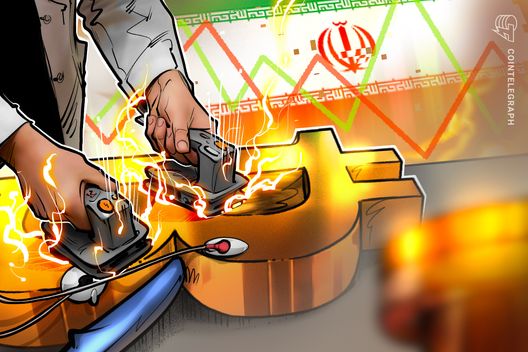
⛓️Bitcoin dropped below $74,000 on Sunday following Iran's threat to retaliate against the US seizure of an Iranian cargo ship, erasing weekend gains. The geopolitical tension between the US and Iran created immediate downward pressure on cryptocurrency markets, highlighting how macroeconomic and geopolitical events continue to influence bitcoin's price volatility.
$BTC
GeneralBearishCrypto Briefing · Apr 197/10
📰Iran has accused the US of deception during ceasefire negotiations, a development that threatens to derail diplomatic progress and increase geopolitical tensions. The accusation signals deepening mistrust between the parties and heightens the risk of military conflict, which could destabilize global markets including cryptocurrency and traditional assets.
GeneralBearishCrypto Briefing · Apr 197/10
📰A US Ambassador has stated that Iran's Islamic Revolutionary Guard Corps (IRGC) is experiencing internal disarray following US naval blockades and targeted leadership strikes. The statement underscores escalating US-Iran tensions that could destabilize regional geopolitics and trigger broader economic disruptions affecting global markets.
GeneralBearishCrypto Briefing · Apr 19🔥 8/10
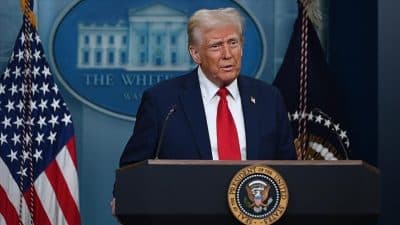
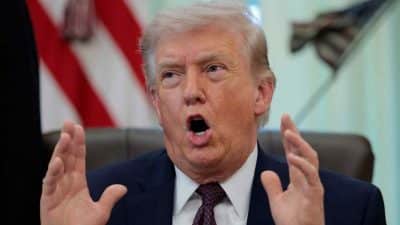
📰Trump's involvement in US-Iran diplomatic negotiations has been complicated by concerns over a downed US jet and potential hostage crisis, with reports indicating he was sidelined from talks due to unpredictability risks. His erratic decision-making during geopolitical tensions raises concerns about diplomatic outcomes and broader market stability.
GeneralBearishCrypto Briefing · Apr 197/10
📰A temporary ceasefire between the US and Iran is viewed by market analysts as a brief respite before potential escalation, creating significant uncertainty for traders. This geopolitical tension is expected to drive increased cryptocurrency market volatility as investors brace for renewed hostilities and reassess risk exposure.
GeneralBearishCrypto Briefing · Apr 197/10
📰US-Iran peace talks have collapsed with both sides citing major differences, escalating geopolitical tensions and reducing near-term prospects for diplomatic resolution. This development dampens market optimism and threatens investor confidence across global assets, including cryptocurrency markets sensitive to geopolitical risk.
GeneralBearishCrypto Briefing · Apr 187/10
📰Iraq's deepening economic instability is undermining diplomatic efforts to establish a US-Iran ceasefire, as fiscal pressures limit the government's ability to mediate regional tensions. The country's financial constraints reduce incentives for peaceful resolution and increase the risk of prolonged conflict in a strategically critical region.
GeneralBearishCrypto Briefing · Apr 187/10
📰The US military is expanding naval operations to board Iran-linked vessels globally, intensifying its maritime blockade strategy. This escalation threatens to disrupt international shipping routes, elevate geopolitical tensions, and challenge established trade regulations, with ripple effects across global commerce and asset markets.
GeneralBullishCrypto Briefing · Apr 187/10
📰The VIX volatility index has declined 44% over three weeks following an easing of US-Iran geopolitical tensions, signaling a broad market shift toward risk-on sentiment. While the drop reflects improved investor confidence, analysts caution that unexpected geopolitical or economic developments could quickly reverse these gains.
GeneralBearishCrypto Briefing · Apr 187/10
📰UK Foreign Secretary Cooper calls for resumed shipping through the Strait of Hormuz amid escalating US-Iran tensions. The diplomatic appeal highlights how geopolitical instability in critical maritime chokepoints directly threatens global trade flows and market stability, with potential ripple effects across commodity prices and risk asset valuations.
GeneralNeutralCrypto Briefing · Apr 187/10
📰Traders anticipate a potential resolution to US-Iran tensions, which could reduce geopolitical risk premiums embedded in commodity prices. Oil prices have climbed to $90 per barrel amid ongoing supply disruptions, creating a complex market environment where diplomatic progress and physical supply constraints operate in opposing directions.