Real-time AI-curated news from 98,049+ articles across 50+ sources. Sentiment analysis, importance scoring, and key takeaways — updated every 15 minutes.
GeneralBearishCrypto Briefing · Apr 197/10
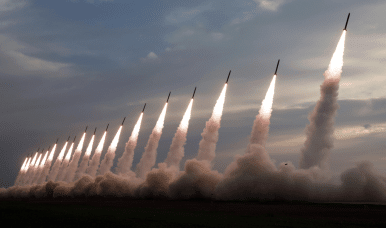
📰Iran has restocked its missile and drone platforms, demonstrating heightened military preparedness amid escalating regional tensions. This military buildup signals potential geopolitical instability that could influence global markets, including cryptocurrency and energy sector volatility.
CryptoBearishWu Blockchain · Apr 197/10
⛓️Russia's Central Bank is mandating KYC (Know Your Customer) identity verification for all cryptocurrency traders and pushing domestic exchanges to implement these mechanisms to eliminate anonymous transactions. This regulatory move reflects growing government scrutiny of crypto markets across Asia, alongside concurrent developments including Hong Kong's prediction market ban and Pakistan's crypto ban lift.
GeneralBearishCrypto Briefing · Apr 197/10
📰Iran's military leadership has signaled heightened readiness amid escalating regional tensions, with implications for global geopolitical stability. Rising military posturing threatens to destabilize the region and could trigger volatility in international markets, including cryptocurrency and traditional asset classes.
CryptoNeutralCrypto Briefing · Apr 197/10
⛓️Cryptocurrency thefts reached $3.4 billion in 2025, with North Korea attributed to approximately 60% of the total stolen amount. Despite the significant security concerns and potential for regulatory crackdowns, market sentiment remains bullish, suggesting investors view the crypto ecosystem as resilient to these emerging threats.
$BTC
GeneralBearishCrypto Briefing · Apr 197/10
📰Iran faces accusations of planning public assassinations amid escalating US-Israeli tensions, raising concerns about regional destabilization. Such geopolitical friction could trigger market volatility and reshape global alliances, with potential ripple effects across crypto and traditional financial markets.
GeneralBearishCrypto Briefing · Apr 197/10
📰Iran's strategic control of the Strait of Hormuz—a critical chokepoint for approximately 20% of global oil supply—serves as a powerful geopolitical tool that directly impacts global energy markets. Tensions in the region create volatility in oil prices, which ripple through crypto markets and broader financial systems dependent on energy stability.
GeneralBearishFortune Crypto · Apr 197/10
📰The U.S. maintains a $282 billion trade surplus in digital services, a critical but overlooked economic advantage that is eroding due to policy uncertainty and rising foreign protectionism. The Trump administration faces pressure to strengthen protections for America's digital trade dominance while balancing free-market principles and international relations.
DeFiBearishcrypto.news · Apr 197/10
💎Kelp, a restaking platform, suffered a $293M exploit through an rsETH vulnerability that compromised user funds and triggered cascading pauses across interconnected DeFi protocols. The incident exposes systemic risks in composable DeFi infrastructure where a single protocol failure can freeze activity across the ecosystem.
GeneralBearishCrypto Briefing · Apr 197/10
📰BlackRock has adopted a bearish stance on European stocks due to escalating energy prices and geopolitical tensions. The investment giant warns that these factors could trigger broader market volatility, affecting risk assessments and investment strategies across global markets.
GeneralBearishCrypto Briefing · Apr 19🔥 8/10
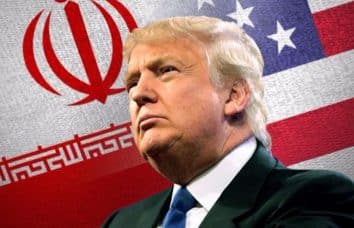
📰Trump's involvement in US-Iran diplomatic negotiations has been complicated by concerns over a downed US jet and potential hostage crisis, with reports indicating he was sidelined from talks due to unpredictability risks. His erratic decision-making during geopolitical tensions raises concerns about diplomatic outcomes and broader market stability.
CryptoBearishU.Today · Apr 197/10
⛓️Bitcoin critic Peter Schiff and billionaire Frank Giustra have raised concerns about MicroStrategy's aggressive Bitcoin buying strategy, warning it could lead to shareholder dilution. The criticism highlights ongoing debate about whether corporate treasury management through cryptocurrency accumulation represents sound financial strategy or excessive risk-taking.
$BTC
GeneralBearishCrypto Briefing · Apr 197/10
📰Escalating diplomatic tensions between the US and Gulf states over unilateral American policy decisions are creating conditions for independent military action by regional powers. This shift threatens traditional US alliances and could fundamentally reshape Middle Eastern geopolitics and stability.
GeneralBearishCrypto Briefing · Apr 19🔥 8/10
📰Rising Israeli-Iranian tensions have prompted Yemen's Houthis to increase military readiness, creating regional instability that threatens global markets and diplomatic channels. Heightened geopolitical risk in the Middle East could trigger volatility across commodities, energy prices, and cryptocurrency markets sensitive to macro uncertainty.
CryptoBearishCrypto Briefing · Apr 197/10
⛓️A $341 million liquidation event swept through cryptocurrency markets as Middle East geopolitical tensions escalated, triggering a wave of forced position closures. The incident reflects how macroeconomic and geopolitical factors directly influence crypto market volatility and investor risk management strategies.
$BTC
GeneralBearishCrypto Briefing · Apr 197/10
📰Iran's president has reaffirmed the country's nuclear rights, creating diplomatic obstacles for an April enrichment deal and escalating geopolitical tensions. This stance threatens nuclear negotiations and could trigger broader market volatility across commodities, equities, and cryptocurrencies sensitive to geopolitical risk.
AIBullishBlockonomi · Apr 197/10
🧠Marvell Technology's stock has surged 55% year-to-date, driven by Nvidia's $2 billion investment, accelerating demand for custom AI chips, and the company's guidance to double networking revenue by fiscal 2027. This partnership reflects the intense competition and capital deployment in the AI infrastructure sector.
🏢 Nvidia
CryptoBullishBlockonomi · Apr 197/10
⛓️Russia's largest bank, Sberbank, is preparing to offer cryptocurrency trading and custody services to its 110 million customers, marking a significant institutional entry into crypto markets. The move comes with proposed regulatory constraints limiting retail investors to $4,000 in annual crypto purchases.
CryptoBullishBlockonomi · Apr 197/10
⛓️Solana has surpassed Ethereum in transaction volume while experiencing a 10% price surge to $85 over five days, driven by growing network adoption that added 1.5 million monthly users. The surge reflects increased futures interest at $4.2B and a broader rally in Solana-based memecoins, signaling strengthening investor confidence in the network's scalability and ecosystem.
$ETH$SOL
GeneralBearishCrypto Briefing · Apr 197/10
📰Hezbollah's strategic shift toward military engagement over diplomatic channels reduces the likelihood of US-Iran negotiations, escalating regional instability. This geopolitical tension typically constrains risk assets and creates headwinds for cryptocurrency markets dependent on global macroeconomic stability.
GeneralBearishCrypto Briefing · Apr 197/10
📰Ukraine has secured $950 million in defense deals, signaling increased military investment that reduces the likelihood of near-term ceasefire negotiations with Russia. This defense buildup reflects a strategic pivot toward sustained military preparedness rather than diplomatic resolution, reshaping the geopolitical landscape and its cascading effects on global markets.
GeneralBearishCrypto Briefing · Apr 197/10
📰Iran's closure of the Strait of Hormuz continues with negotiations described as 'far off,' escalating geopolitical tensions that reverberate through global oil markets and international trade. This prolonged blockade creates macroeconomic uncertainty that indirectly affects cryptocurrency and digital asset valuations through broader market volatility.
CryptoBullishBlockonomi · Apr 197/10
⛓️Ethereum derivatives markets show a significant sentiment shift as net taker volume turned positive at +$102M, marking the first time buyers have dominated since 2022. This reversal follows months of consistent selling pressure that peaked at -$568M near Ethereum's cycle high below $5,000, with comparable buying intensity last seen when ETH traded around $1,000.
$ETH
CryptoBullishCrypto Briefing · Apr 197/10
⛓️Trump has signaled intentions to position the United States as the world's leading cryptocurrency hub, coinciding with Bitcoin trading above $60,000. While a pro-crypto regulatory environment could enhance U.S. economic competitiveness, success depends on navigating regulatory frameworks and geopolitical complexities that could destabilize markets.
$BTC
DeFiBullishBlockonomi · Apr 197/10
💎Tokenized U.S. Treasuries have surpassed $13.74B in onchain value, signaling a maturation from experimental pilots to institutional deployment. Major players including Standard Chartered, OKX, Circle, and BounceBit are moving beyond issuance to build practical infrastructure for trading, collateral management, and yield-bearing products.
AI × CryptoBearishBitcoinist · Apr 197/10
🤖A Hong Kong woman lost nearly $1 million to a fraudulent crypto investment platform that denied her withdrawal requests, revealing a surge in AI-enabled cryptocurrency scams. The incident highlights growing risks as sophisticated fraud schemes target retail investors through fake platforms and deepfake technology.
$ETH