Real-time AI-curated news from 98,040+ articles across 50+ sources. Sentiment analysis, importance scoring, and key takeaways — updated every 15 minutes.
GeneralNeutralCrypto Briefing · Apr 197/10
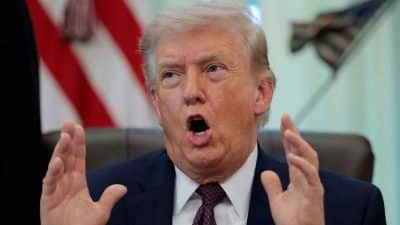
📰A president has committed to using all available diplomatic means to resolve an ongoing Middle East conflict, with ceasefire negotiations currently underway. While the diplomatic initiative signals potential for de-escalation, market participants remain skeptical about the likelihood of a successful resolution, suggesting uncertainty about outcomes.
GeneralBearishCrypto Briefing · Apr 197/10
📰US military transport aircraft (C-17s) have landed in Cyprus amid deteriorating ceasefire negotiations with Iran, signaling potential military escalation in the Middle East. The concurrent failure of diplomatic efforts and increased military positioning highlight rising geopolitical tensions that could impact global markets and cryptocurrency volatility.
AI × CryptoBullishBlockonomi · Apr 197/10
🤖Grayscale has increased TAO allocation to 43.06% in its AI fund and filed a spot TAO ETF application alongside Bitwise, with SEC decision expected in August 2026. The Bittensor network demonstrated resilience by enabling community miners to restore three subnets from open-source code following Covenant AI's departure, marking a significant test of its decentralized architecture.
$TAO
CryptoBearishcrypto.news · Apr 19🔥 8/10
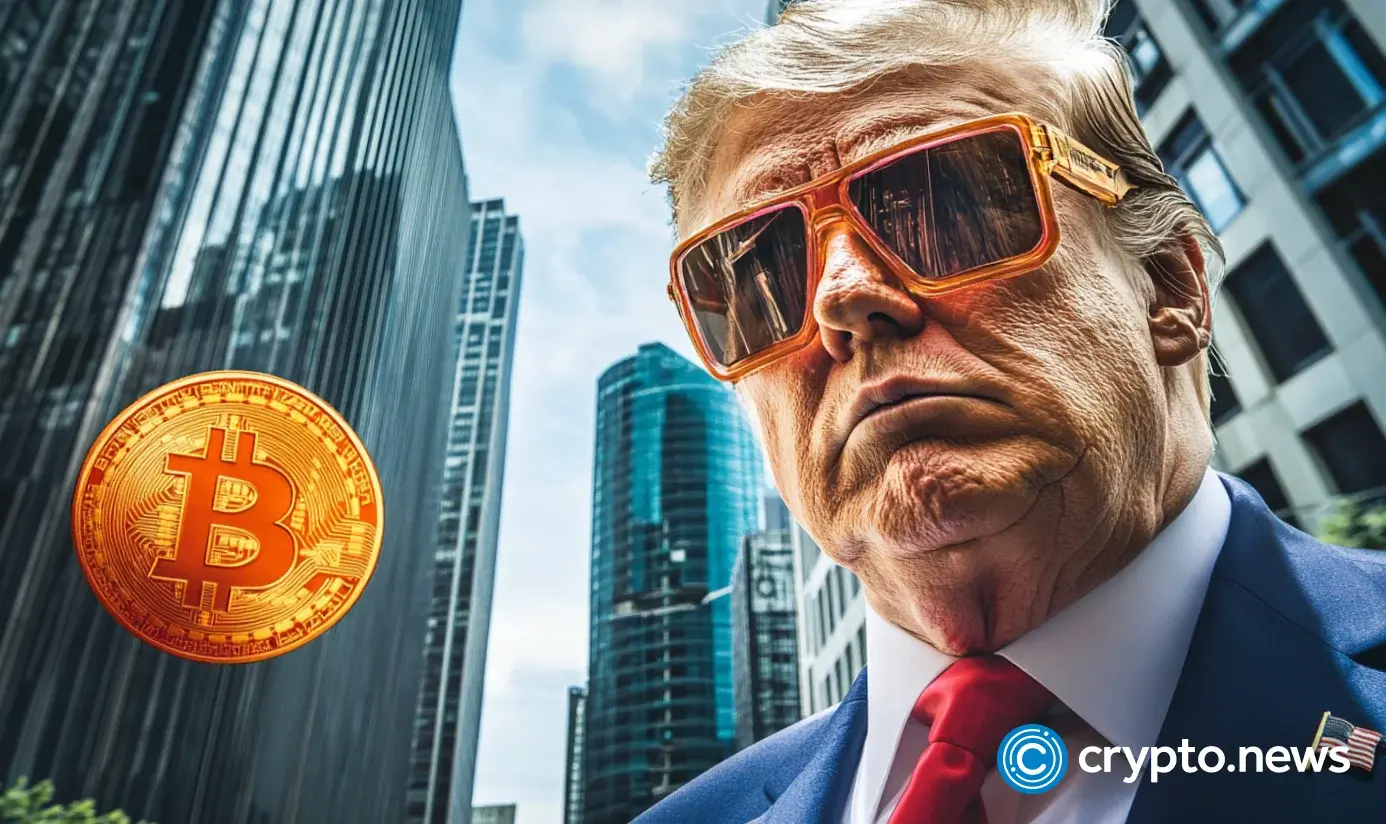
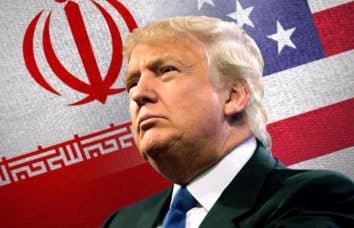
⛓️President Trump has accused Iran of violating a ceasefire agreement, triggering geopolitical tensions that have rippled into cryptocurrency markets, causing Bitcoin to decline amid increased market uncertainty. Iran has denied the allegations, creating conflicting narratives that intensify volatility in risk assets including crypto.
$BTC
CryptoBearishCoinDesk · Apr 197/10
⛓️France is experiencing a surge in crypto-related kidnappings and extortion attacks, with 41 incidents reported in 2024—approximately one every 2.5 days. This spike in violent crimes targeting cryptocurrency holders has prompted French authorities to enhance security measures and highlights the growing vulnerability of wealthy crypto investors to physical threats.
GeneralBearishCrypto Briefing · Apr 197/10
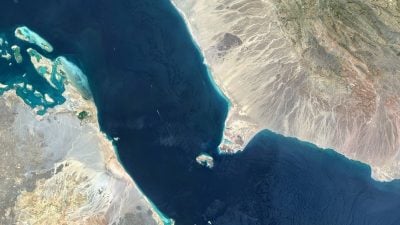
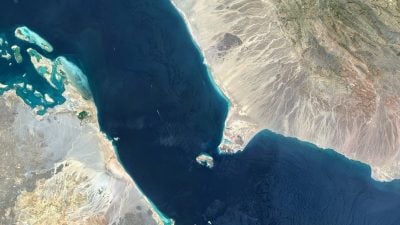
📰Iran has escalated rhetoric regarding potential threats to the Bab el-Mandeb strait while expanding its missile capabilities, raising concerns about disruptions to critical global shipping lanes. Such geopolitical tensions could destabilize oil markets and international trade, creating volatility that traditionally impacts cryptocurrency and broader financial markets.
CryptoBullishBlockonomi · Apr 197/10
⛓️Bitcoin trades near $75,000 as spot ETF inflows exceed $1 billion weekly, reversing a four-month outflow pattern. Positive macroeconomic signals including stable US employment data and reduced geopolitical tensions are driving institutional capital into risk assets, while network upgrades on Solana and Ethereum improve protocol efficiency.
$BTC$ETH$SOL
GeneralBearishCrypto Briefing · Apr 197/10
📰Public disagreement between Trump and National Security Advisor Waltz over JD Vance's involvement in Iran negotiations has exposed internal U.S. policy divisions, undermining diplomatic credibility and triggering market uncertainty as geopolitical tensions escalate around critical talks.
CryptoBullishCrypto Briefing · Apr 197/10
⛓️John D'Agostino argues that Bitcoin's market position has strengthened significantly due to increased institutional adoption and regulatory clarity. He highlights how regulatory improvements have enhanced liquidity in cryptocurrency markets, while positioning exchanges as critical infrastructure for accurate price discovery.
$BTC
GeneralBearishCrypto Briefing · Apr 197/10
📰Iran has mocked an EU diplomat's call to reopen the Strait of Hormuz, intensifying geopolitical tensions that threaten to disrupt one of the world's most critical shipping routes. The escalating standoff risks prolonging global logistical challenges and could significantly impact trade flows and cryptocurrency market stability.
GeneralBearishCrypto Briefing · Apr 19🔥 8/10
📰An analyst warns that Israel's military operations in Lebanon risk creating a permanent security zone, potentially strengthening Hezbollah's political position and complicating future ceasefire negotiations. The escalation threatens to intensify regional tensions and destabilize diplomatic efforts.
CryptoBullishCoinDesk · Apr 197/10
⛓️A Nomura and Laser Digital survey reveals that 65% of institutional investors now view cryptocurrency as a vital portfolio diversifier, reflecting growing confidence driven by regulatory clarity and new institutional products. This shift signals meaningful progress in mainstream adoption of digital assets among sophisticated investors.
GeneralBearishCrypto Briefing · Apr 197/10
📰Attacks on UK Jewish sites by groups with Iranian ties are escalating geopolitical tensions that could destabilize regional security. These developments carry potential implications for global market dynamics and investor risk appetite, particularly affecting assets sensitive to geopolitical uncertainty.
GeneralBearishCrypto Briefing · Apr 197/10
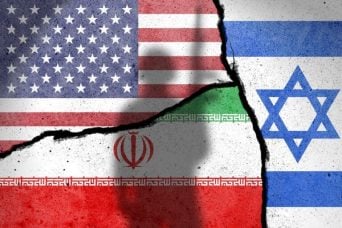
📰Iran's unwavering anti-Israel position is reducing the likelihood of direct US-Iran diplomatic negotiations by June 2026, according to geopolitical analysts. The entrenched stance signals that nuclear talks and sanctions relief remain distant prospects, potentially prolonging Middle Eastern tensions and regional economic uncertainty.
GeneralBearishCrypto Briefing · Apr 197/10
📰Iran's parliament speaker stated that Iranian military forces remain on high alert despite ongoing peace talks with the United States, signaling continued geopolitical tensions. This posture suggests diplomatic negotiations face significant obstacles and reduces near-term prospects for market-stabilizing resolutions.
GeneralBearishCrypto Briefing · Apr 197/10
📰Trump's continued hardline position on Iran sanctions eliminates near-term prospects for sanction relief, sustaining geopolitical tensions that reverberate through global oil markets. This stance complicates diplomatic pathways and creates uncertainty for energy prices and broader macroeconomic conditions affecting cryptocurrency and traditional asset markets.
AI × CryptoBullishcrypto.news · Apr 197/10
🤖World has upgraded its World ID system to expand verification capabilities across digital platforms using privacy-focused cryptography. The upgrade enhances the "proof of human" infrastructure, enabling broader adoption of identity verification in web3 and digital services while maintaining user privacy through advanced cryptographic methods.
GeneralNeutralCrypto Briefing · Apr 197/10
📰Former President Trump has publicly criticized Israeli Prime Minister Netanyahu's recent military strikes against Iran, signaling a potential shift in U.S. foreign policy toward diplomatic de-escalation. This pivot from military intervention could reshape geopolitical risk premiums that have historically influenced cryptocurrency and traditional market volatility.
GeneralBearishCrypto Briefing · Apr 197/10
📰Iran has rejected ceasefire prospects for April 30, vowing continued military engagement and dimming diplomatic resolution hopes. This escalation heightens regional tensions and increases market volatility across asset classes including cryptocurrencies.
CryptoBearishU.Today · Apr 197/10
⛓️RAVE experienced a catastrophic 89% crash in 2026 after an integrity research report triggered mass liquidations, erasing gains from a previous 118x rally. The event highlights vulnerabilities in cryptocurrency markets to sudden negative revelations and the risks of extreme volatility swings within a single asset cycle.
GeneralBearishCrypto Briefing · Apr 197/10
📰The UK has increased military and diplomatic support for its Gulf allies, potentially escalating regional tensions with Iran. This geopolitical shift raises concerns about possible military confrontation and could influence global energy markets and cryptocurrency volatility through increased macro uncertainty.
AIBearishThe Register – AI · Apr 197/10
🧠AI vendors are increasingly deflecting responsibility for security vulnerabilities in their systems, claiming they are not liable for exploits or misuse. This trend raises concerns about accountability in the rapidly expanding AI industry and creates potential gaps in security standards.
GeneralBearishCrypto Briefing · Apr 197/10
📰The US has deployed autonomous sea drones in the Strait of Hormuz to counter mine threats, a strategic response to escalating geopolitical tensions in a critical global trade chokepoint. This deployment underscores rising instability in one of the world's most important shipping lanes, with potential implications for energy prices, supply chain disruptions, and broader market volatility.
$XRP
CryptoBearishCoinDesk · Apr 196/10
⛓️Neo co-founders Da Hongfei and Erik Zhang are embroiled in a governance dispute over control of $200 million in cryptocurrency assets. Da advocates for decentralized multi-signature controls and independent governance, while Zhang calls for accountability investigations and board representation, highlighting tensions around centralized asset control in a major blockchain project.
GeneralNeutralCrypto Briefing · Apr 197/10
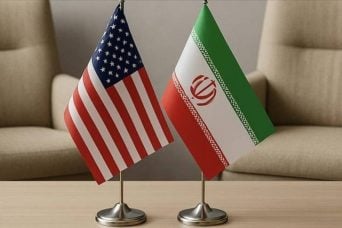
📰Turkey's Foreign Minister indicates that Iran-US ceasefire negotiations are progressing toward completion but will require an extension to finalize terms. The talks underscore the complexity of US-Iran diplomatic relations and their potential consequences for regional geopolitical stability.