AIBullishCrypto Briefing · Apr 167/10
🧠

🏢 Anthropic🏢 Nvidia
Models, papers, tools. 110,065 articles with AI-powered sentiment analysis and key takeaways.
Jensen Huang discusses Nvidia's pivotal role in AI infrastructure, highlighting how the company is converting computational power into tokenized value while managing semiconductor supply chain constraints. The conversation explores the exponential growth trajectory of AI agents and the strategic importance of overcoming chip supply bottlenecks to enable widespread AI deployment.
Harvard policy expert Linda Bilmes warns that a potential Iran war could cost U.S. taxpayers over $1 trillion, drawing parallels to her previous research with economist Joseph Stiglitz showing the 2003 Iraq war's actual cost exceeded initial projections by four times.
Google has integrated its Gemini AI model into robotic systems that can autonomously read industrial gauges and thermometers during facility inspections. This advancement combines computer vision with large language models to enable robots to interpret analog instruments, improving automation capabilities in industrial monitoring and maintenance operations.
CoreWeave has secured a $6 billion deal with Jane Street to provide GPU-based computing infrastructure for the trading firm's AI-driven operations. The agreement underscores the critical infrastructure gap in AI compute as enterprises compete to leverage artificial intelligence across trading and research functions.
OpenAI has enhanced its Agents SDK to enable enterprises to build AI agents with improved safety and capabilities. The update reflects the growing adoption of agentic AI systems in enterprise environments and OpenAI's commitment to providing developers with robust tools for deploying autonomous AI systems.
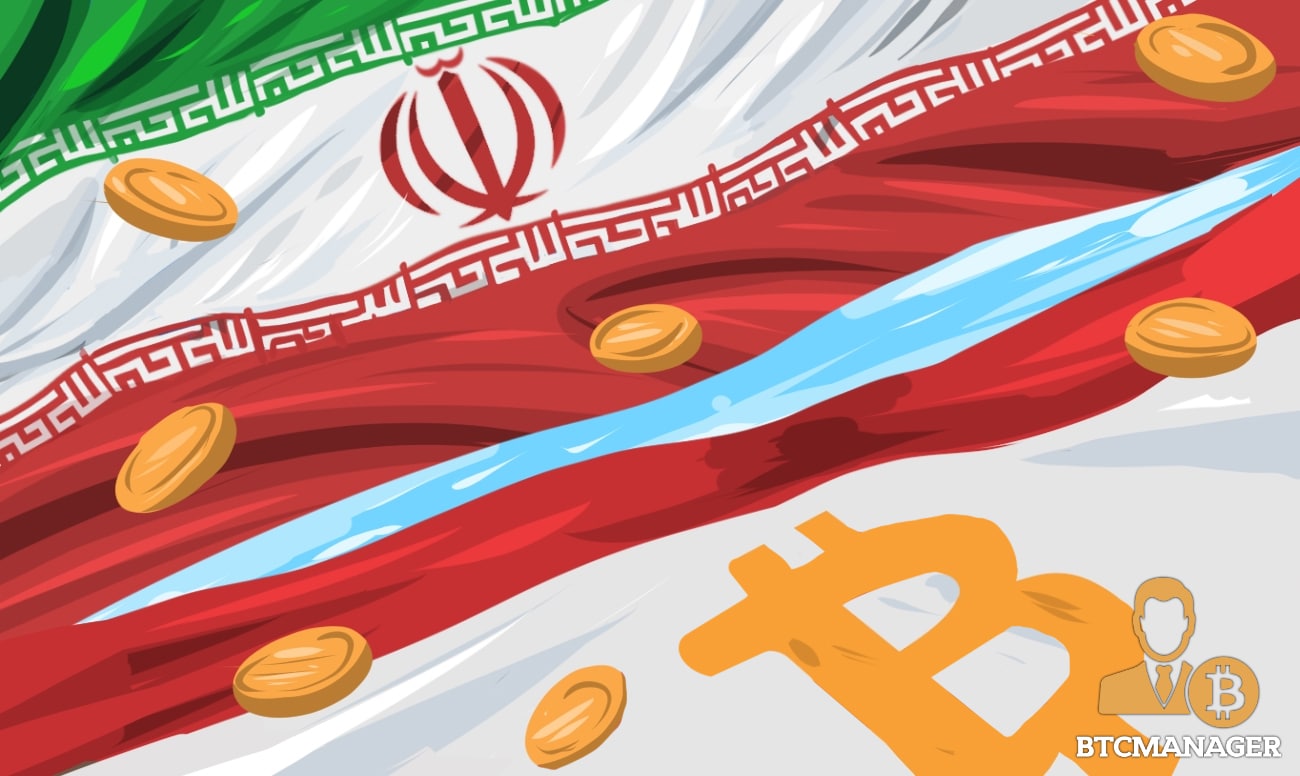
US and Iranian officials are engaging in face-to-face diplomatic talks amid volatile cryptocurrency and energy markets, with Bitcoin trading at $74,000 and WTI crude oil at $92 per barrel. The geopolitical developments carry significant implications for both traditional energy markets and digital assets, as sanctions and trade tensions historically correlate with crypto volatility and oil price swings.
SpaceX and Blue Origin are competing to establish lunar infrastructure while simultaneously filing plans to deploy AI-powered satellites in orbit. This convergence of space exploration and artificial intelligence infrastructure represents a strategic shift where control over orbital networks could determine dominance in next-generation AI compute and data processing capabilities.
Aave Labs has introduced Checkpoint, an AI-powered governance security system that combines automated analysis with mandatory human verification to review all DAO proposals before onchain execution. The system represents a significant step toward securing decentralized governance processes against malicious or poorly-designed proposals.
Lebanon and Israel have confirmed direct diplomatic talks, marking a significant shift in regional relations despite opposition from Hezbollah. This development could reshape Middle Eastern geopolitics and has potential implications for regional stability and broader market sentiment.
The USS Gerald R. Ford completed an extended deployment amid escalating U.S.-Iran tensions, raising concerns about regional stability and potential disruptions to critical Middle Eastern trade routes. The naval operation underscores geopolitical volatility that could influence energy markets and cryptocurrency price movements sensitive to macro risk factors.
Pakistan is mediating diplomatic talks between the US and Iran, a development that could influence nuclear negotiations and affect market sentiment in cryptocurrency and broader financial sectors. The mediation effort signals potential progress in US-Iran relations after years of tension.
A US-sanctioned tanker, the Rich Starry, has returned to the Strait of Hormuz after exiting the Persian Gulf, signaling potential enforcement challenges in maritime sanctions. The vessel's reappearance may escalate regional tensions and increase pressure on the US Navy to provide escort services in one of the world's most strategically critical shipping corridors.
Israel and Lebanon have agreed to a temporary one-week ceasefire expected to begin tonight. The agreement may provide short-term relief but lacks permanent resolution mechanisms, leaving significant risk of renewed conflict.
Iran has demanded the release of frozen assets while ceasefire extension negotiations have stalled, creating geopolitical uncertainty that affects nuclear deal-related markets and sanctions dynamics. The impasse signals deteriorating diplomatic progress and potential volatility in commodities and currency markets sensitive to Middle Eastern tensions.
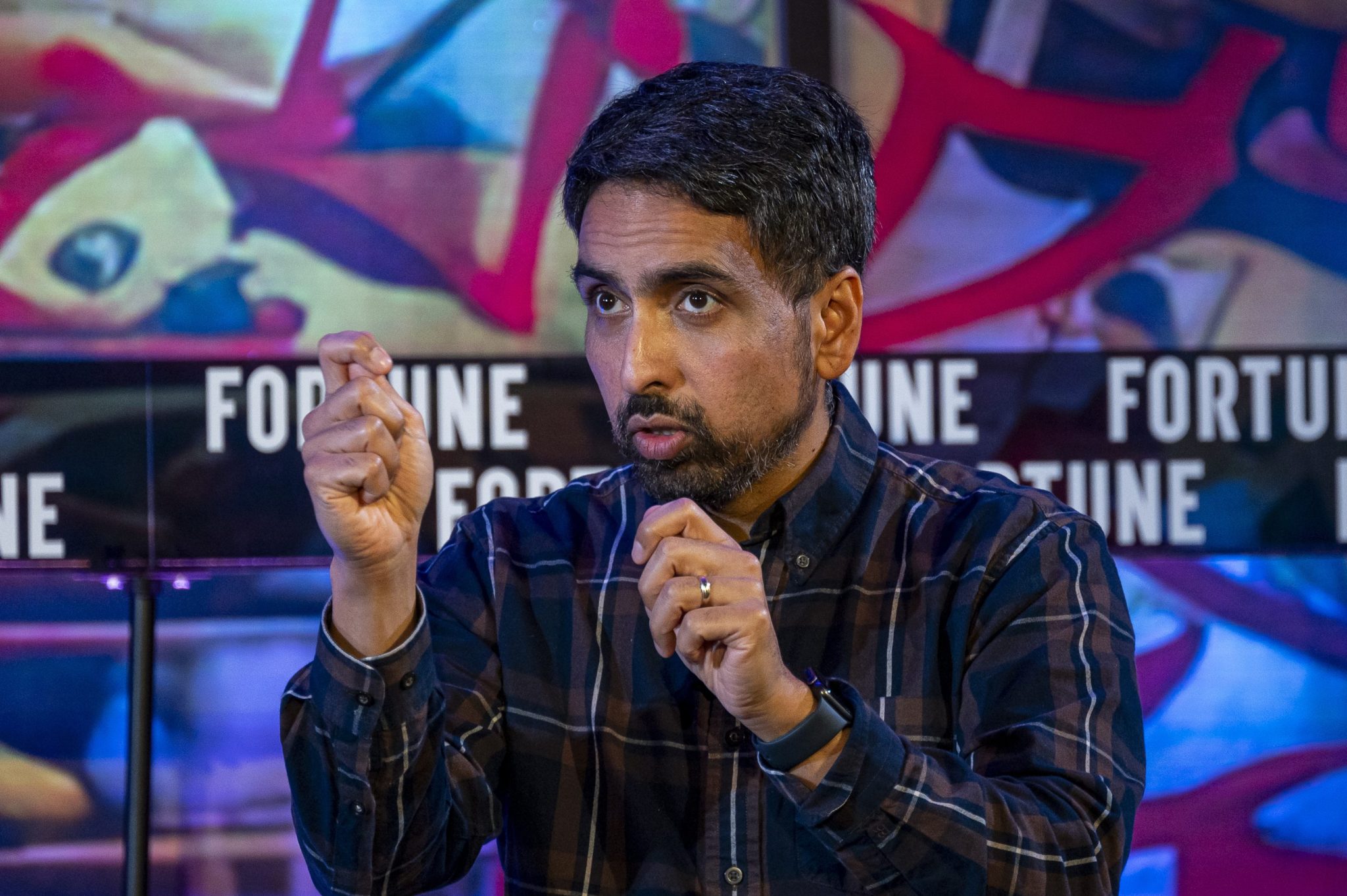
Khan Academy CEO Sal Khan is launching an AI-focused bachelor's degree program developed in partnership with Google, Microsoft, and McKinsey, priced under $10,000. The initiative aims to democratize higher education by offering a competitive alternative to traditional universities at a fraction of the cost.
Iraq is redirecting oil exports through Syria to bypass the Strait of Hormuz, signaling a significant shift in regional oil logistics and geopolitical strategy. This rerouting reflects broader tensions in the Middle East and has implications for global energy markets and cryptocurrency-sensitive macro conditions.
Major news outlets including the New York Times and USA Today are blocking the Internet Archive's Wayback Machine from crawling their content, citing concerns that the archived material could be used to train AI language models without permission or compensation. This move reflects growing tensions between content creators and AI companies over unauthorized use of copyrighted material for model training.
Putin and Trump are both planning visits to China in May, with Trump confirming dates of May 14-15. These concurrent high-level diplomatic missions underscore China's emerging role as a key geopolitical mediator amid rising US-Russia tensions.
Cleveland Federal Reserve official Hammack has warned that persistent inflation and supply-side shocks may force the Fed to maintain or raise interest rates. This stance signals concern about the central bank missing its inflation targets and suggests the monetary policy environment could remain restrictive, with significant implications for asset valuations across financial markets.